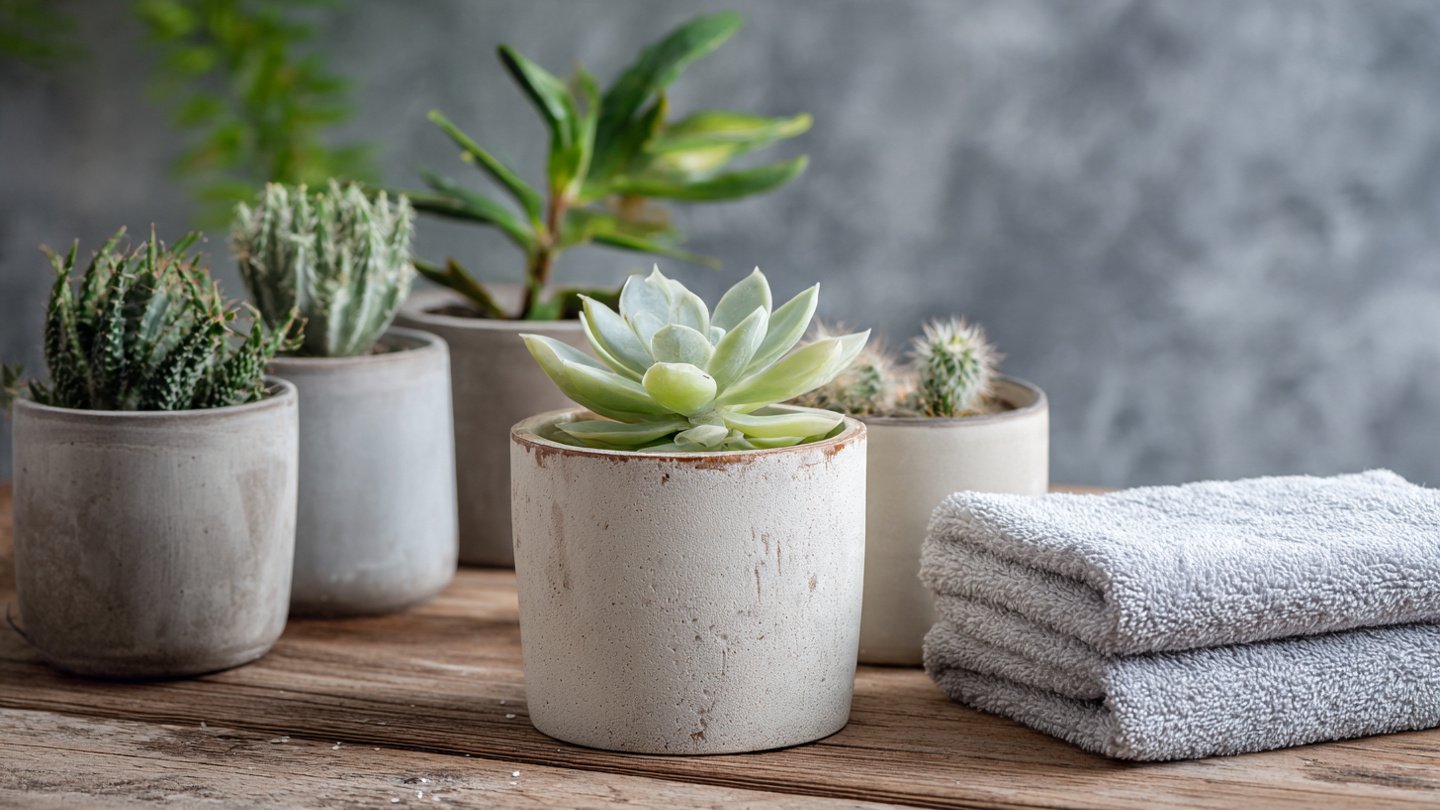
Keeping plant pots clean is an essential yet often overlooked part of gardening. Over time, pots accumulate dirt, mineral deposits, algae, and even harmful pathogens that can affect plant health. Many gardeners automatically reach for chemical cleaners, but these can be harsh on plants, the environment, and even your hands. The good news is that you can clean your plant pots effectively without chemicals, using simple, natural, and safe methods. Here’s a comprehensive guide to keeping your pots pristine while protecting your plants and the environment.
Why Cleaning Plant Pots Matters
Plant pots are not just containers—they are microenvironments. Residue from old soil, fertilizers, or algae can harbor pests and diseases that transfer to new plants. Dirty pots can also hinder proper drainage, leading to root rot or stunted growth. Regular cleaning helps:
- Prevent the spread of fungal infections and bacteria.
- Remove salt and mineral buildup that can harm plants.
- Restore pots to a fresh, visually appealing condition.
- Improve soil drainage and aeration.
Even if a pot appears clean on the surface, microscopic pathogens can linger, so periodic deep cleaning is highly beneficial.
Tools You’ll Need
Cleaning plant pots naturally requires minimal tools, most of which you likely already have at home:
- Soft brushes: Toothbrushes or soft scrub brushes to remove dirt and deposits.
- Buckets or basins: For soaking pots in water.
- Vinegar: A natural acid that dissolves mineral deposits and disinfects.
- Baking soda: Gentle abrasive for scrubbing stubborn stains.
- Warm water: Essential for loosening dirt.
- Cloth or sponge: For wiping pots clean.
These items make it easy to clean effectively without resorting to harsh chemicals.
Step 1: Remove Old Soil
Before cleaning, empty the pots of any remaining soil. If roots are tangled or compacted, gently shake or use a stick to loosen them. Removing all soil ensures that hidden pathogens are also removed during cleaning.
Step 2: Soak the Pots
Soaking is a crucial step for loosening dirt, mineral deposits, and algae. Fill a bucket or basin with warm water and let the pots sit for 15–30 minutes. For stubborn stains, you can add a natural cleaning agent such as:
- Vinegar: Mix 1 part white vinegar with 3 parts warm water. Vinegar helps dissolve mineral deposits and has mild disinfecting properties.
- Baking soda: Sprinkle baking soda on stubborn residue and let it sit for a few minutes before scrubbing.
Avoid using harsh chemical cleaners, as residues may remain in the pot and harm future plants.
Step 3: Scrub Gently
After soaking, use a soft brush or sponge to scrub the pot surfaces. Pay attention to:
- Rims and corners: Dirt and algae accumulate easily here.
- Drainage holes: Use a toothbrush or small stick to clear clogs.
- Exterior surfaces: Cleaning the outside keeps pots visually appealing and prevents algae from spreading indoors.
For delicate or decorative pots, extra care is necessary to avoid scratches.
Step 4: Rinse Thoroughly
After scrubbing, rinse each pot with clean water to remove any remaining dirt, vinegar, or baking soda residue. Ensure that no particles are left in the drainage holes, as these can block water flow and harm plants.
Step 5: Sun-Dry or Air-Dry
Allow pots to dry completely before adding new soil. Sun-drying has the added benefit of natural sterilization: sunlight’s UV rays help eliminate remaining bacteria or fungi. For small indoor pots, a well-ventilated area works just as well.
Special Considerations for Different Materials
Different pot materials may require slightly different cleaning methods:
- Terracotta Pots: Porous terracotta absorbs minerals and salts easily. Soaking and scrubbing with vinegar is especially effective. Avoid harsh abrasion to prevent cracks.
- Plastic Pots: Less prone to mineral buildup, but can accumulate algae. Baking soda or vinegar scrubbing works well, and these pots can often tolerate a gentle dishwasher cycle if labeled safe.
- Ceramic Pots: Non-porous glazed pots resist buildup but still benefit from soaking and gentle scrubbing. Avoid sudden temperature changes to prevent cracking.
- Metal Pots: Clean carefully to avoid rust. Use mild vinegar solution and dry immediately after cleaning.
Preventive Tips to Reduce Frequent Cleaning
While cleaning is essential, preventive measures can reduce how often you need to scrub your pots:
- Use pot liners: Plastic liners inside terracotta pots can prevent soil and mineral buildup.
- Regular rinsing: Periodically rinsing pots with water removes surface dirt before it accumulates.
- Avoid over-fertilizing: Excess salts from fertilizers can accumulate in pots and soil, leading to buildup.
- Proper drainage: Ensure drainage holes are clear to prevent standing water, which encourages algae growth.
Safe Cleaning for Indoor Plants
For indoor gardeners, chemical-free cleaning is especially important. Residual chemicals can affect air quality and harm sensitive houseplants. Vinegar, baking soda, and warm water are safe, effective, and eco-friendly alternatives.
Additionally, cleaning pots outdoors minimizes water splashing and keeps indoor surfaces clean. A simple bucket, brush, and sun-drying routine can maintain a tidy indoor garden without toxic residues.
Recycling Old Pots
If pots are severely stained or damaged, natural cleaning methods allow them to be repurposed safely:
- Broken terracotta pieces can be used as drainage in new pots.
- Plastic pots can be stacked and stored for future planting cycles.
- Even heavily mineral-stained pots can serve as decorative garden edging or planters for hardy plants.
Recycling and repurposing reduce waste and make your garden more sustainable.
Conclusion
Cleaning plant pots effectively without chemicals is both achievable and beneficial. With simple tools like warm water, vinegar, baking soda, and a soft brush, you can remove dirt, mineral deposits, and harmful pathogens while keeping your garden safe and eco-friendly. Regular cleaning not only improves plant health and soil drainage but also ensures your garden looks neat and well-maintained.
By incorporating natural cleaning routines and preventive measures, you can maintain beautiful, healthy pots year-round without relying on harsh chemicals. A little attention to your containers goes a long way in promoting thriving plants, a hygienic growing environment, and a visually appealing garden.