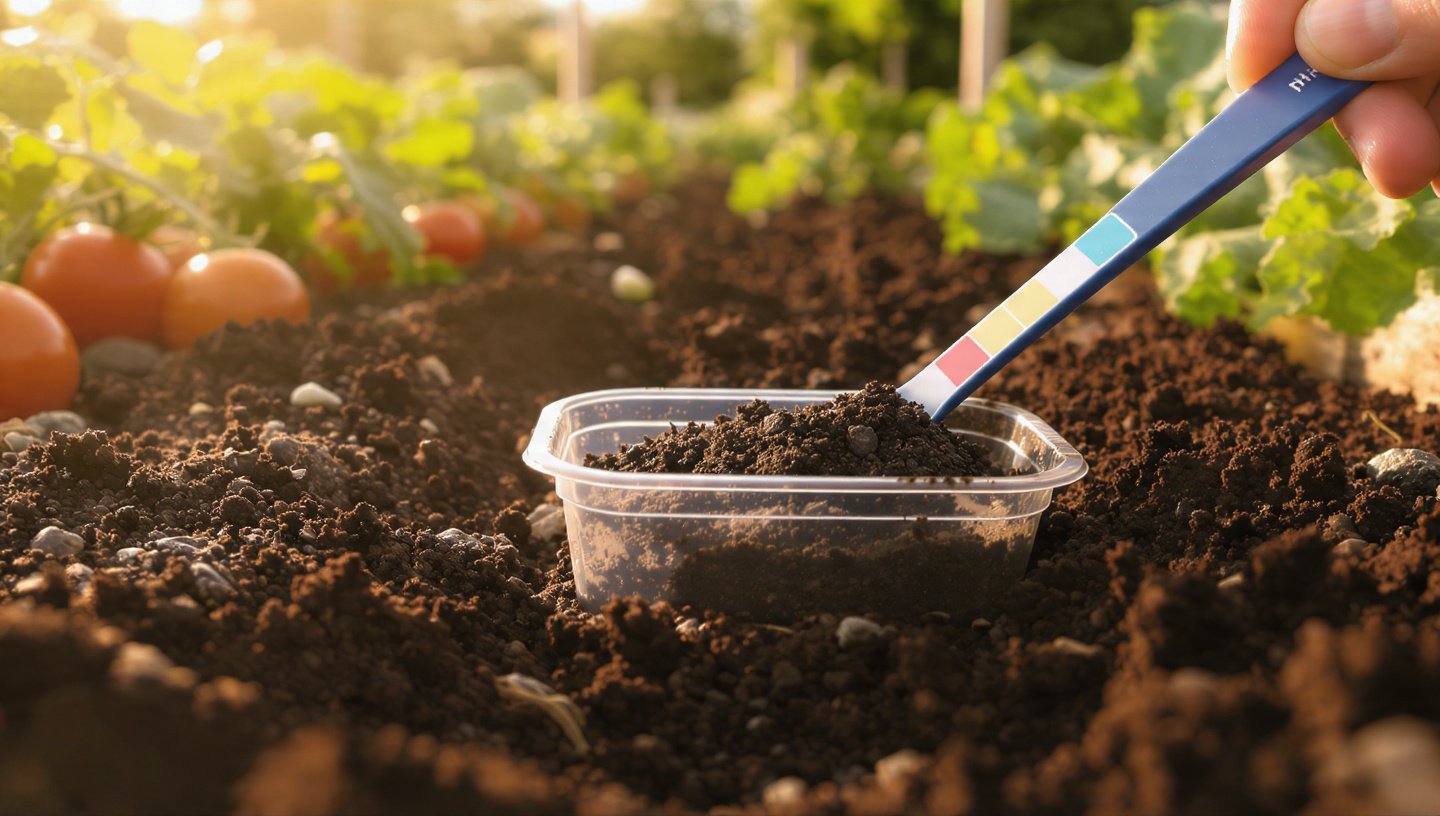
Growing a productive vegetable garden is about more than just planting seeds and watering them regularly. One of the most overlooked aspects of successful gardening is soil health. Healthy soil is the foundation for nutrient-rich, vigorous plants, and annual soil testing is one of the most effective ways to ensure your garden thrives year after year.
Many gardeners focus on fertilizers and watering schedules without understanding the actual composition of their soil. Without proper knowledge, it’s easy to underfeed, overfeed, or apply the wrong nutrients — all of which can lead to poor growth, disease, or low yields. Here’s how proper soil testing each year can transform your vegetable garden.
Why Soil Testing Matters
Soil testing provides detailed information about the nutrient levels, pH, and overall soil health. Understanding these factors allows gardeners to tailor their approach to meet the specific needs of their plants.
Key benefits of soil testing include:
- Accurate Nutrient Management: Determine which nutrients are lacking and which are sufficient, helping you apply the right fertilizers in the right amounts.
- pH Balance Monitoring: Different vegetables thrive in different pH levels. Soil testing ensures your garden’s acidity or alkalinity is optimal.
- Avoiding Overfertilization: Excess fertilizer can harm plants, leach into groundwater, or disrupt soil microbial balance. Testing prevents this.
- Enhanced Yields: Healthy, well-nourished plants produce more and higher-quality vegetables.
- Long-Term Soil Health: Repeated testing helps identify trends in soil degradation or nutrient depletion so corrective measures can be taken early.
Understanding What Soil Tests Measure
Most annual soil tests provide information on:
- Macronutrients: Nitrogen (N), phosphorus (P), and potassium (K) — essential for plant growth.
- Micronutrients: Calcium, magnesium, sulfur, iron, manganese, zinc, copper, and boron — needed in smaller amounts but vital for plant health.
- Soil pH: A measure of acidity or alkalinity; ideal ranges for most vegetables are between 6.0 and 7.0.
- Organic Matter: Indicates the fertility and water-holding capacity of your soil.
- Salinity Levels: High salt content can inhibit plant growth and should be monitored regularly.
With this information, gardeners can customize soil amendments, rather than relying on generic fertilizer blends that may not match the garden’s actual needs.
How Annual Soil Testing Transforms Your Vegetable Garden
1. Optimizes Nutrient Availability
Each vegetable crop has unique nutrient requirements. For example:
- Leafy greens like spinach and lettuce demand high nitrogen for lush foliage.
- Root crops like carrots and beets need adequate phosphorus and potassium for root development.
- Fruiting vegetables like tomatoes and peppers require a balanced mix to support flowers and fruit production.
By testing the soil annually, you know exactly which nutrients are available and which need supplementation, preventing deficiencies that can stunt growth or cause yellowing, poor fruiting, and weak plants.
2. Improves Soil Structure and Fertility
Soil testing reveals more than just nutrient levels; it provides insights into organic matter content and soil texture. Healthy soil structure:
- Supports strong root development
- Improves water retention and drainage
- Encourages beneficial microorganisms that aid nutrient cycling
If a soil test shows low organic matter, gardeners can amend their beds with compost, aged manure, or green manure crops. Over time, this builds richer, more resilient soil that sustains higher yields with less chemical input.
3. Ensures Proper pH for Maximum Growth
Soil pH affects how nutrients are absorbed. For instance:
- Acidic soils (pH <6) can reduce availability of calcium, magnesium, and phosphorus.
- Alkaline soils (pH >7.5) may limit iron, manganese, and zinc absorption.
Annual testing allows gardeners to adjust pH with lime or sulfur to optimize nutrient uptake for the specific vegetables being grown. Proper pH ensures healthier plants, better flowering, and improved fruit quality.
4. Prevents Overfertilization and Environmental Damage
Excessive fertilizer not only wastes money but can:
- Burn plant roots
- Promote excessive leaf growth at the expense of flowers and fruit
- Leach into groundwater, harming nearby ecosystems
Soil testing provides the exact levels of nutrients present, enabling precise fertilizer application. This environmentally responsible approach protects both the garden and surrounding areas.
5. Reduces Pest and Disease Pressure
Nutrient imbalances can make plants more vulnerable to pests and diseases. For example:
- Nitrogen deficiency may lead to weak stems that are prone to fungal infections.
- Phosphorus deficiency can delay flowering, reducing fruit set and increasing vulnerability to pests.
By maintaining optimal soil nutrition and structure through testing, gardeners strengthen plant immunity naturally, reducing the need for chemical interventions.
How to Conduct Annual Soil Testing
- Collect Soil Samples: Take 6–10 random samples from different parts of your garden at a depth of 6–8 inches. Mix them together to get a representative sample.
- Send to a Laboratory: Use a certified soil testing lab or an agricultural extension service. Some local gardening centers also provide testing kits.
- Analyze Results: Labs will provide detailed information on nutrient levels, pH, organic matter, and recommendations for amendments.
- Apply Amendments: Follow the recommended rates for fertilizers, lime, compost, or other soil conditioners.
- Record Data: Keep a journal to track trends, amendments, and crop responses for future planning.
Case Study: Year-Round Soil Testing in Practice
Gardeners who implement annual soil testing often see remarkable transformations:
- Increased yields: By tailoring nutrients to crop needs, fruiting vegetables produce larger, more flavorful harvests.
- Reduced fertilizer costs: Knowing exactly what your soil needs prevents unnecessary purchases.
- Healthier plants: Strong root systems and proper pH lead to lush growth and resistance to disease.
- Sustainable gardening: Over time, soil testing promotes organic matter accumulation, reducing reliance on chemical fertilizers.
Tips for Maximizing Soil Health
- Rotate crops annually: Reduces nutrient depletion and prevents disease buildup.
- Incorporate cover crops: Legumes or clovers fix nitrogen naturally.
- Add organic matter: Compost or aged manure improves fertility and structure.
- Mulch regularly: Conserves moisture, prevents erosion, and regulates soil temperature.
Annual soil testing helps you implement these practices effectively by identifying which interventions will have the greatest impact.
Conclusion
Proper soil testing each year is a game-changer for vegetable gardens. By understanding nutrient levels, pH, and soil structure, gardeners can make informed decisions that boost yields, improve plant health, and enhance sustainability. Annual testing transforms a trial-and-error garden into a precise, high-performing system where vegetables thrive, pests and diseases are minimized, and each planting season produces better results than the last.
Whether you are growing tomatoes, carrots, peppers, or leafy greens, starting each season with a comprehensive soil test ensures that your garden not only produces more food but also becomes more resilient, sustainable, and enjoyable to maintain.