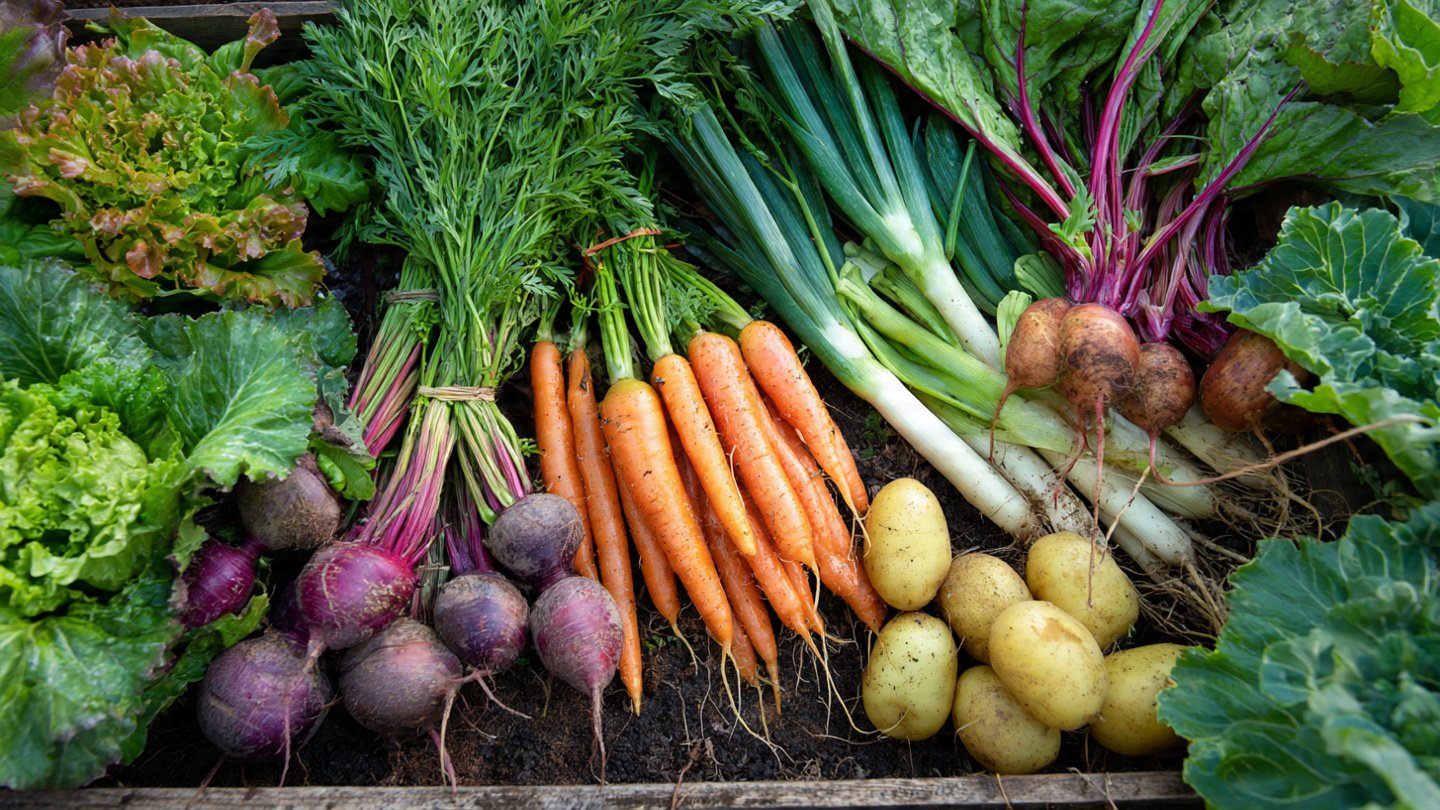
If you’re a passionate gardener, you’ve likely spent hours planning your vegetable beds, choosing the perfect seeds, and dreaming of bountiful harvests. But even with the best care, your garden may face unseen threats: soil depletion, pests, and diseases. One of the most effective strategies to prevent these problems—and dramatically improve your vegetable yield—is proper crop rotation. Though this method has been used for centuries, it remains a cornerstone of modern sustainable gardening. Understanding how and why crop rotation works can transform your vegetable garden from ordinary to extraordinary.
What Is Crop Rotation?
Crop rotation is the practice of growing different types of vegetables in the same plot across successive seasons or years. Instead of planting the same crop in the same soil year after year, gardeners rotate plant families to balance nutrients, break pest cycles, and improve soil health.
For example, if you plant tomatoes in one bed this year, you might plant beans or leafy greens there next year. This systematic rotation prevents specific crops from monopolizing certain nutrients and reduces the buildup of pests and diseases that target particular plants.
The Science Behind Crop Rotation
The benefits of crop rotation are rooted in both soil science and plant biology. Different plant families have unique nutrient requirements. For instance:
- Leafy greens like lettuce and spinach are heavy nitrogen feeders.
- Legumes such as peas and beans actually enrich the soil by fixing nitrogen.
- Root vegetables like carrots and beets draw nutrients from deeper soil layers.
- Fruiting plants such as tomatoes and peppers require high phosphorus levels for flower and fruit development.
Rotating crops ensures that the soil isn’t depleted of a single nutrient. Legumes, for instance, naturally replenish nitrogen, benefiting the following season’s leafy crops. This biological synergy reduces reliance on chemical fertilizers and fosters a more sustainable garden ecosystem.
Preventing Soil Depletion
Planting the same crop repeatedly in one bed can drain the soil of specific nutrients, leading to weak plants and lower yields. For example, tomatoes are heavy feeders of potassium. If planted in the same location year after year, the soil may become deficient in this essential nutrient, resulting in smaller, less flavorful fruits.
By rotating crops, you allow the soil to recover naturally. Deep-rooted plants access nutrients in lower soil layers, while nitrogen-fixing legumes restore fertility. Over time, crop rotation helps maintain balanced soil, which is the foundation of a thriving vegetable garden.
Breaking Pest and Disease Cycles
Many garden pests and diseases are crop-specific. If the same crop is grown repeatedly in one location, pests that feed on that plant can establish a permanent home in your garden. Similarly, diseases such as soil-borne fungi and bacteria can persist year after year, attacking new plantings.
Crop rotation disrupts these cycles. For example, root-knot nematodes that target tomatoes may die off if a non-host crop is planted in the same bed the following season. This natural pest control reduces the need for chemical interventions, keeping your garden healthier and more resilient.
Enhancing Soil Structure
Different plants have different root structures, which affect soil aeration and structure. Deep-rooted crops like carrots loosen compacted soil, while shallow-rooted leafy greens help prevent erosion. Rotating crops with varying root depths improves soil structure, encourages beneficial microbial activity, and promotes better water retention.
This diversity also helps prevent soil compaction, which is a common issue in vegetable gardens. Healthy soil structure supports robust root development, leading to stronger plants and higher yields.
Planning Your Crop Rotation
Effective crop rotation requires careful planning. A simple strategy is to group plants into four main families:
- Legumes (peas, beans) – nitrogen fixers
- Leafy greens (lettuce, spinach, kale) – heavy nitrogen feeders
- Root vegetables (carrots, beets, radishes) – moderate nutrient users
- Fruiting vegetables (tomatoes, peppers, eggplants) – high phosphorus and potassium needs
A typical rotation plan might look like this:
- Year 1: Legumes → Leafy greens → Root vegetables → Fruiting vegetables
- Year 2: Leafy greens → Root vegetables → Fruiting vegetables → Legumes
- Year 3: Root vegetables → Fruiting vegetables → Legumes → Leafy greens
- Year 4: Fruiting vegetables → Legumes → Leafy greens → Root vegetables
By rotating plant families each year, you prevent nutrient depletion, minimize disease buildup, and optimize soil health.
Companion Planting and Rotation Synergy
Crop rotation works best when combined with companion planting. Planting herbs or flowers alongside vegetables can deter pests, attract beneficial insects, and improve yields. For example, marigolds planted near tomatoes can help repel nematodes, while basil may enhance tomato flavor. Combining these strategies maximizes the benefits of a diverse and resilient garden ecosystem.
Adapting Rotation for Small Gardens
Even small gardens or container gardens can benefit from rotation. While space may limit large-scale rotation, consider rotating crops between beds or containers each season. Raised beds, vertical planters, and even pots allow you to manage soil health and avoid the pitfalls of repeated planting.
Monitoring and Adjusting Your Plan
While crop rotation is highly effective, it’s important to monitor your garden and adjust as needed. Keep records of plantings, yields, and any pest or disease issues. Over time, you’ll notice patterns and be able to refine your rotation plan for maximum productivity.
The Long-Term Benefits
Proper crop rotation offers long-term rewards:
- Improved yields: Healthier soil and reduced pests lead to bigger, tastier harvests.
- Reduced chemical dependency: Natural nutrient replenishment and pest control decrease the need for fertilizers and pesticides.
- Sustainable gardening: Crop rotation promotes ecological balance, benefiting both your garden and the surrounding environment.
- Soil resilience: Healthy, well-structured soil retains moisture and resists erosion, supporting plants even during dry spells.
Gardeners who practice crop rotation often find that their vegetables thrive year after year, and the effort invested in planning pays off with robust plants and abundant harvests.
Final Thoughts
Crop rotation is more than just a traditional gardening technique—it’s a transformative practice that can reshape the health and productivity of your vegetable garden. By understanding plant families, planning rotations thoughtfully, and observing your garden over time, you create a thriving ecosystem that works with nature, not against it. The next time you prepare your garden beds, remember: rotating your crops isn’t just about variety—it’s about building a sustainable, flourishing garden for years to come.