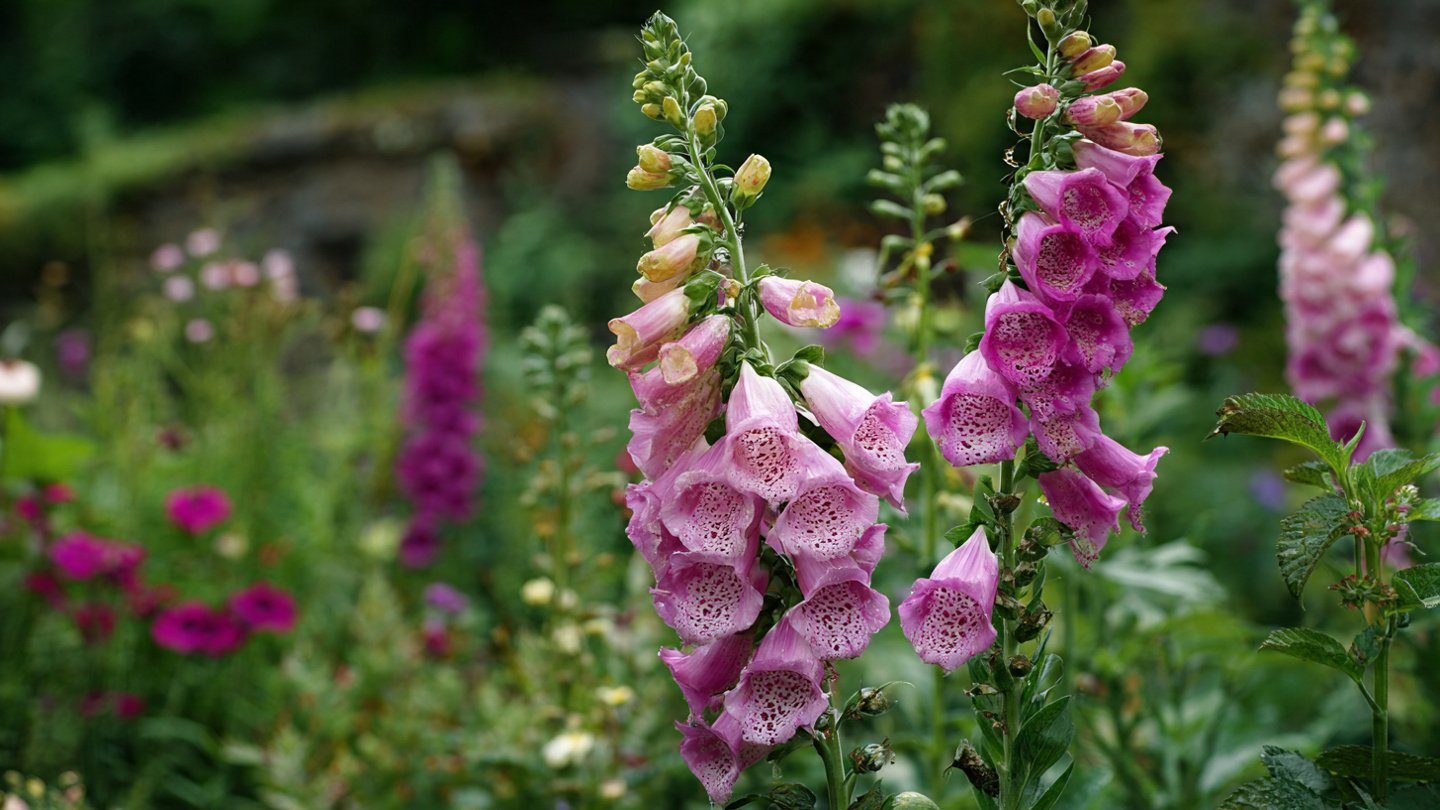
If you want to create a garden that is both beautiful and beneficial to pollinators, foxgloves may be one of the best plants you can choose. With their tall, elegant spikes of tubular flowers, foxgloves (Digitalis species) not only add vertical interest and striking color but also serve as a vital resource for bees, especially bumblebees. Planting a row of foxgloves can transform a garden into a buzzing haven, boosting pollination and supporting a healthier ecosystem.
While foxgloves are often admired purely for their aesthetic appeal, understanding their ecological role reveals just how powerful they can be for both your garden and local wildlife. Let’s explore the benefits, planting strategies, and care tips for making the most of this remarkable plant.
Foxgloves: A Magnet for Bees
Foxgloves are naturally adapted to attract bees with their tubular flowers. Their long, pendulous blooms provide an ideal landing platform for pollinators, particularly bumblebees, which are strong enough to navigate the deeper flower tubes. The flowers produce abundant nectar and pollen, making them an essential food source during peak flowering season.
By planting a row of foxgloves, you create a concentrated feeding area for bees. This encourages them to stay nearby and visit other plants in your garden as well, improving pollination rates for vegetables, fruits, and other flowering plants. In effect, foxgloves act as both a feast and a magnet, drawing pollinators into your garden and supporting biodiversity.
Supporting Garden Health Through Pollination
The benefits of foxgloves extend beyond aesthetics. Increased pollinator activity improves the reproductive success of other plants in your garden. Crops such as tomatoes, peppers, and berries, as well as flowering annuals and perennials, rely on effective pollination for fruit and seed production. More bees visiting your garden means higher yields and healthier plants overall.
In addition to helping crops, foxgloves indirectly support ornamental plants. Flowers that are well-pollinated tend to be more vibrant and produce more seeds, contributing to a lush, thriving garden ecosystem. By planting foxgloves, gardeners essentially invest in a natural system that enhances productivity and plant diversity.
Creating Habitat for Wildlife
Foxgloves do more than feed bees—they also contribute to habitat creation. When planted in clusters or rows, they provide shelter and resting spots for pollinators. The flowers’ vertical structure offers protection from wind and rain, giving bees a safe place to forage even during less-than-ideal weather.
A row of foxgloves can also encourage other beneficial insects to take up residence. Predatory insects, such as ladybugs and lacewings, may be drawn to areas with abundant flowers, helping control garden pests naturally. In this way, foxgloves support a balanced ecosystem, reducing the need for chemical interventions.
Planting Tips for Maximum Impact
To ensure that foxgloves thrive and benefit your garden, follow a few key planting tips:
- Choose the Right Location: Foxgloves prefer partial shade to full sun and well-draining soil. They thrive along garden borders, pathways, or fence lines where their vertical spikes can be showcased.
- Plant in Rows or Clumps: Rows of foxgloves not only look visually striking but also create concentrated zones for pollinators. Planting in clumps can increase nectar availability, attracting more bees and increasing pollination efficiency.
- Provide Proper Soil Conditions: Slightly acidic to neutral soil enriched with organic matter promotes strong growth. Ensure good drainage, as foxgloves do not tolerate waterlogged roots.
- Water and Mulch Wisely: Regular watering during dry periods keeps the plants healthy, while a layer of mulch helps retain soil moisture, regulate temperature, and suppress weeds.
- Encourage Self-Seeding: Foxgloves are biennial plants, meaning they usually flower in their second year. Allow some seed heads to mature and scatter naturally for continuous blooms in subsequent seasons. This natural regeneration supports long-term pollinator resources.
Aesthetic Benefits of Foxgloves
Beyond ecological advantages, foxgloves provide striking visual appeal. Their towering flower spikes can reach up to five feet in height, adding dimension to garden beds and borders. The flowers come in a variety of colors, including purple, pink, white, and yellow, often with speckled throats that add visual interest.
Planting a row of foxgloves creates rhythm and continuity in the garden design. They can serve as a backdrop for shorter plants or as a natural screen along fences or hedgerows. Combined with their ecological role, foxgloves offer a perfect blend of beauty and utility.
Timing and Flowering Considerations
Foxgloves bloom primarily from late spring to early summer, though self-seeding varieties may produce flowers over longer periods. Planting multiple varieties with staggered bloom times can extend the flowering season, providing bees with consistent nectar and pollen throughout the growing season.
Deadheading spent flowers can encourage longer bloom periods and prevent overcrowding. However, leaving some seed heads ensures natural reseeding and long-term sustainability of your pollinator-friendly garden.
Safety and Companion Planting
While foxgloves are excellent for pollinators, gardeners should remember that all parts of the plant are toxic if ingested. Keep them out of reach of children and pets. Despite this, they integrate well with other garden plants, complementing lavender, delphiniums, and other bee-friendly species.
Companion planting with herbs such as rosemary, thyme, or mint can further attract beneficial insects and create a multi-layered habitat. These combinations maximize both pollination and pest control while enhancing garden aesthetics.
Long-Term Benefits for Your Garden
Planting a row of foxgloves is an investment in long-term garden health. By supporting pollinators, you encourage a self-sustaining ecosystem where plants, insects, and soil work together harmoniously. Over time, gardens with foxgloves tend to have healthier flowers, improved fruit and vegetable production, and more vibrant overall growth.
For gardeners interested in sustainability, foxgloves exemplify how planting decisions can have far-reaching ecological effects. They demonstrate that beauty, biodiversity, and productivity can coexist in one space.
Conclusion
Foxgloves are more than ornamental plants—they are powerful allies for pollinators, ecosystems, and gardeners alike. Planting a row of these striking flowers supports bees, enhances pollination, provides habitat for beneficial insects, and contributes to a thriving, sustainable garden.
By understanding the ecological importance of foxgloves and incorporating them thoughtfully into garden design, you create a space that is visually stunning, environmentally responsible, and buzzing with life. With each tall flower spike, your garden not only flourishes—it actively supports the natural processes that keep our food systems, ecosystems, and local biodiversity healthy.
Whether you are an experienced gardener or just starting out, foxgloves offer a perfect combination of beauty and ecological benefit. Plant them in rows, care for them properly, and watch as your garden transforms into a vibrant sanctuary for bees and other pollinators. The rewards are both immediate and long-term: a healthier garden, more pollinators, and a stronger connection to the rhythms of nature.