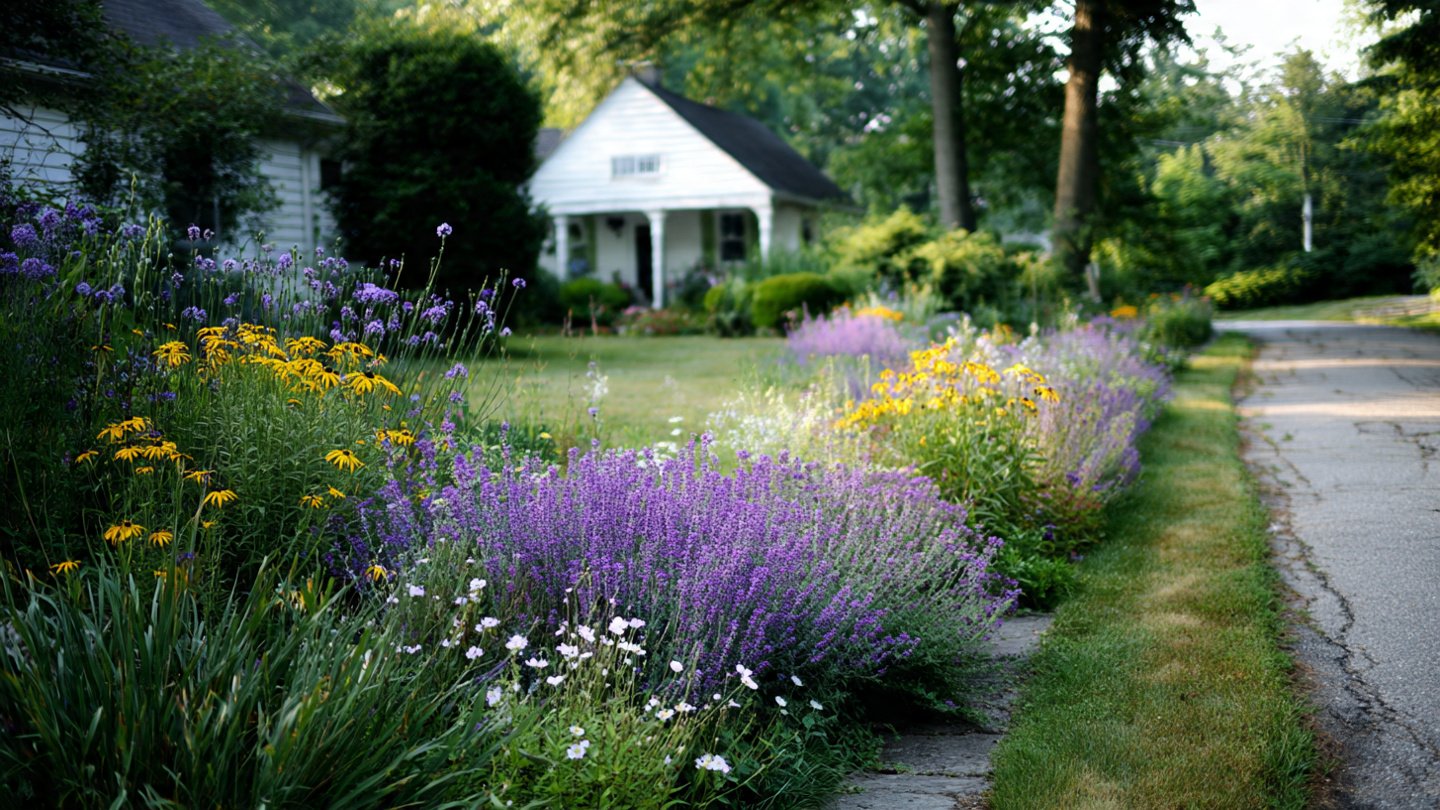
Creating a beautiful, functional, and eco-friendly yard is a goal for many homeowners. Traditional fences provide privacy but can be visually harsh and lack environmental benefits. On the other hand, hedges offer greenery and natural appeal but require significant maintenance and may take years to mature. A modern solution that combines the best of both worlds is the fedge—a hybrid between a fence and a hedge.
Planting a fedge in your yard not only enhances privacy and aesthetics but also delivers surprising ecological, financial, and lifestyle benefits. This guide explores what a fedge is, how to plant one, and the multiple ways it can transform your outdoor space.
What Is a Fedge?
A fedge is a living fence created by planting shrubs or small trees directly against or alongside a traditional fence structure. Unlike a standard hedge that stands alone, a fedge combines the structural support of a fence with the lush, natural growth of plants.
Key characteristics of a fedge include:
- Dual function: Provides the privacy and boundary definition of a fence while adding the greenery and texture of a hedge.
- Layered appeal: The fence ensures immediate coverage, while the plants grow to create a natural, living screen.
- Eco-friendly: Supports wildlife and improves air quality while reducing the visual impact of a bare fence.
Fedges are especially popular in small yards or urban gardens, where homeowners want a green, private space without losing square footage.
Choosing Plants for Your Fedge
The plants you choose for your fedge determine its look, function, and maintenance requirements. Consider the following:
1. Evergreen Shrubs
Evergreen plants like boxwood, holly, or laurel provide year-round coverage, keeping your yard private even in winter. They are low-maintenance and grow densely, making them ideal for a fedge.
2. Deciduous Shrubs
Plants such as hydrangea, dogwood, or viburnum offer seasonal color, flowers, and texture. While they lose leaves in winter, they provide dynamic visual interest during the growing season.
3. Native Plants
Native species thrive in local conditions, require less water, and support local pollinators. Examples include serviceberry, chokeberry, or hawthorn, depending on your region.
4. Fast-Growing Options
If immediate coverage is a priority, choose faster-growing shrubs or small trees such as privet, leyland cypress, or bamboo (clumping varieties only to prevent invasiveness).
When selecting plants, consider height, spread, maintenance, and how well they complement your yard’s overall style.
How to Plant a Fedge
Planting a fedge is straightforward but requires careful planning for long-term success.
Step 1: Plan Your Layout
- Measure the length of the fence where you want the fedge.
- Decide on spacing based on the mature width of your chosen plants. Typically, spacing ranges from 1 to 3 feet between shrubs.
- Consider pathways, gates, and corners for accessibility.
Step 2: Prepare the Soil
- Remove weeds and debris along the fence line.
- Loosen the soil and enrich it with compost or organic matter to improve drainage and fertility.
Step 3: Plant Shrubs
- Dig holes slightly wider than the root ball of each plant.
- Place the plant in the hole, ensuring the top of the root ball is level with the surrounding soil.
- Backfill with soil and press gently to eliminate air pockets.
- Water immediately to settle the soil.
Step 4: Mulch and Protect
- Apply a 2–3 inch layer of mulch to retain moisture and suppress weeds.
- Install a temporary fence guard or protective mesh if wildlife may damage young plants.
Benefits of Planting a Fedge
A fedge offers numerous advantages beyond just privacy and decoration.
1. Enhanced Privacy and Security
The combination of a fence and dense plant growth provides immediate and long-lasting privacy. Over time, a fully grown fedge becomes a natural barrier, deterring intruders while creating a secluded outdoor retreat.
2. Aesthetic Appeal
A fedge softens the look of a traditional fence, adding texture, color, and seasonal interest. Flowering or fruiting shrubs can provide beautiful blooms, berries, and fragrance throughout the year, transforming your yard into a lush, inviting space.
3. Noise Reduction
Dense foliage can absorb and deflect sound, helping reduce street noise or disturbances from neighbors. This benefit is particularly valuable in urban or suburban settings.
4. Environmental Benefits
Planting a fedge contributes to a healthier environment:
- Air quality: Plants absorb carbon dioxide and produce oxygen.
- Wildlife habitat: Birds, pollinators, and small mammals use the fedge for food and shelter.
- Soil protection: Roots reduce erosion and improve soil structure.
5. Energy Savings
A fedge can act as a windbreak, reducing heat loss from your home in winter. In summer, it provides shade and cools the surrounding air, potentially lowering energy costs.
6. Increased Property Value
A well-maintained fedge adds curb appeal and demonstrates thoughtful landscaping. Prospective buyers appreciate private, attractive, and eco-friendly yard features.
7. Low-Maintenance Options
Depending on plant selection, a fedge can be surprisingly low-maintenance. Evergreen and native plants typically require minimal pruning, occasional watering, and light fertilization. Over time, the fedge becomes self-sustaining and resilient.
Tips for Maintaining Your Fedge
To keep your fedge healthy and visually appealing:
- Water consistently: Especially during the first 1–2 years after planting to help roots establish.
- Prune selectively: Shape plants for uniform growth and remove dead or diseased branches.
- Fertilize sparingly: Use slow-release or organic fertilizers in early spring.
- Control pests naturally: Introduce beneficial insects or use mild insecticidal sprays if needed.
- Monitor growth: Adjust plant spacing or trim for a balanced appearance.
Regular maintenance ensures your fedge remains a long-lasting, attractive feature of your yard.
Creative Ideas for Your Fedge
A fedge doesn’t have to be a standard row of shrubs. Creative design options include:
- Mixed-plant fedge: Combine evergreens and flowering shrubs for year-round interest.
- Curved or serpentine design: Adds flow and dimension to your garden layout.
- Fruit-bearing fedge: Plant berry bushes for edible landscaping.
- Decorative features: Add trellises, garden lights, or birdhouses integrated with the fedge for added charm.
By thinking creatively, your fedge can become a functional and artistic element in your outdoor space.
Conclusion
Planting a fedge is a smart, versatile way to enhance your yard. Combining the security and structure of a fence with the natural beauty and ecological benefits of plants, a fedge transforms ordinary outdoor space into a private, inviting, and environmentally friendly retreat.
From increased privacy and noise reduction to aesthetic appeal, wildlife support, and energy savings, the benefits of a fedge are surprisingly extensive. With proper planning, plant selection, and maintenance, a fedge can become the centerpiece of your yard—offering both immediate and long-term rewards.
Whether you have a small backyard or a large garden, a fedge is a living investment that pays off with beauty, functionality, and environmental value. It’s more than just a fence or hedge—it’s a sustainable landscaping solution that enhances your lifestyle and property.