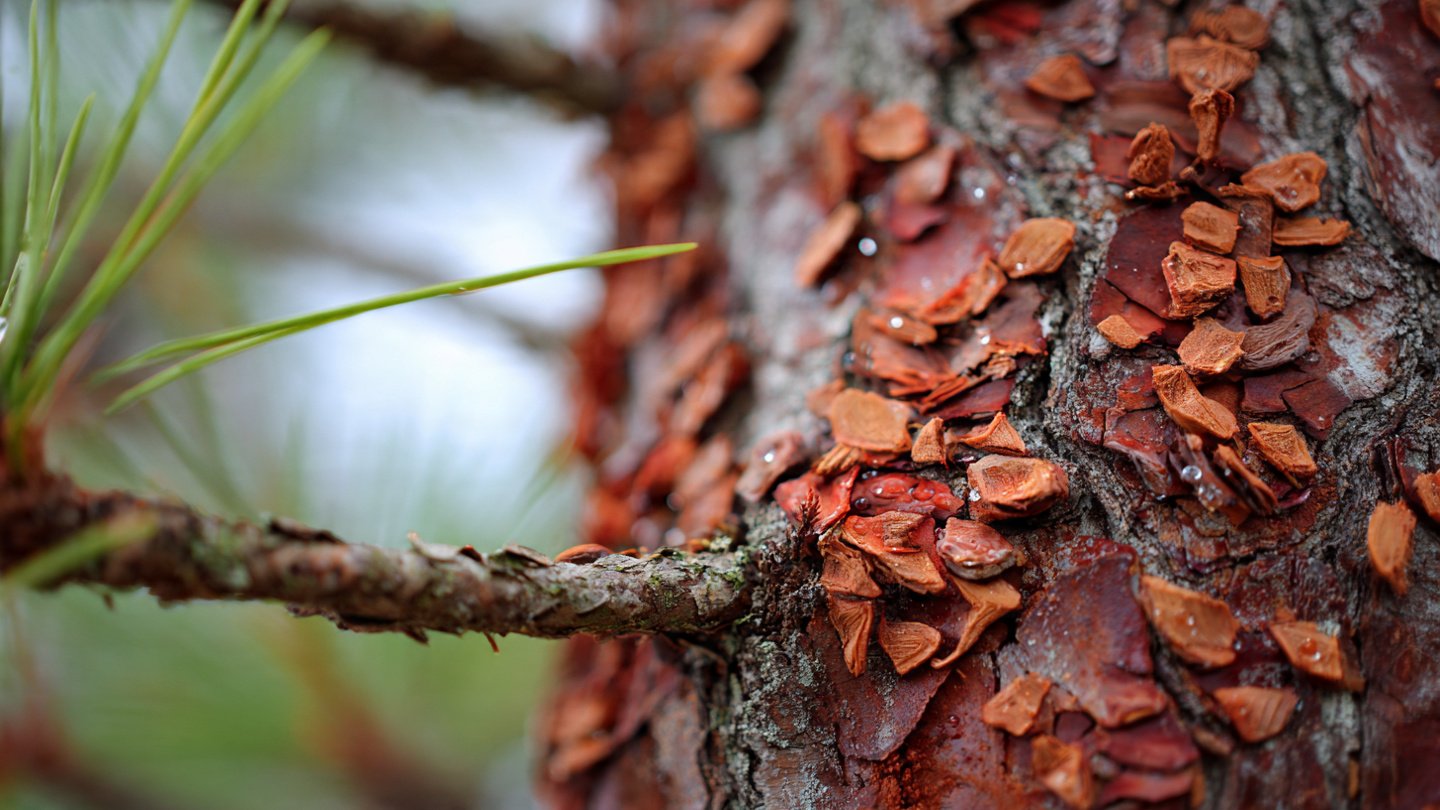
Healthy soil is the foundation of every thriving garden, yet many gardeners struggle with one invisible challenge: soil pH. Certain plants—especially acid lovers like blueberries, azaleas, camellias, and hydrangeas—simply won’t flourish unless the soil leans acidic. If you’ve been searching for a natural, sustainable way to adjust soil pH, pine bark may be the simple solution your garden needs.
Pine bark is more than just an attractive mulch. When used correctly, it can gradually improve soil acidity while delivering a range of additional benefits that enhance plant health, moisture retention, and long-term soil structure.
Understanding Soil Acidity in the Garden
Soil acidity is measured using the pH scale, which ranges from 0 to 14. A pH below 7 is acidic, while anything above 7 is alkaline. Many ornamental plants and edible crops prefer a slightly acidic environment because it allows them to absorb nutrients more efficiently.
When soil is too alkaline, essential nutrients such as iron, manganese, and phosphorus become less available to plants. This often results in yellowing leaves, stunted growth, and weak flowering—even when fertilizer is applied regularly. Adjusting soil pH can restore balance and unlock nutrients already present in the soil.
Why Pine Bark Is an Effective Acidifier
Pine bark improves garden acidity through a slow, natural process. Unlike fast-acting chemical soil amendments, pine bark works gradually as it decomposes. This steady breakdown releases organic acids into the soil, gently lowering the pH over time without shocking plant roots.
This gradual effect is especially valuable for long-term garden health. Sudden changes in soil chemistry can stress plants, but pine bark creates a stable, predictable shift that encourages consistent growth and stronger root systems.
Additional Benefits Beyond pH Control
Pine bark doesn’t just influence soil acidity—it improves your garden in several important ways:
1. Improves Soil Structure
As pine bark decomposes, it increases organic matter in the soil. This enhances aeration in compacted soils and improves water retention in sandy soils, creating a more balanced growing environment.
2. Enhances Moisture Retention
When used as mulch, pine bark helps regulate soil moisture by reducing evaporation. This keeps roots cool during hot weather and minimizes watering needs.
3. Suppresses Weeds
A layer of pine bark mulch blocks sunlight from reaching weed seeds, reducing competition for nutrients and water.
4. Regulates Soil Temperature
Pine bark acts as insulation, protecting roots from extreme temperature fluctuations during both summer heat and winter cold.
Which Plants Benefit Most from Pine Bark?
Pine bark is especially beneficial for acid-loving plants, including:
- Blueberries
- Rhododendrons
- Azaleas
- Camellias
- Gardenias
- Ferns
- Hydrangeas (especially for enhancing blue blooms)
Vegetable gardeners can also benefit, particularly when growing crops that prefer slightly acidic soil, such as potatoes and sweet potatoes.
How to Use Pine Bark Correctly
To get the most out of pine bark, proper application is key.
As Mulch
Spread pine bark mulch in a layer 5–8 cm (2–3 inches) thick around plants, keeping it a few centimeters away from the stem or trunk to prevent rot. Over time, rain and microorganisms will carry acidic compounds into the soil.
As a Soil Amendment
For new garden beds or containers, mix finely shredded pine bark into the top 15–20 cm (6–8 inches) of soil. This allows faster interaction with soil microbes and accelerates acidity changes.
In Potting Mixes
Pine bark is commonly used in container gardening to improve drainage while slightly lowering pH. It works particularly well for shrubs and flowering plants grown in pots.
How Long Does It Take to Change Soil pH?
Pine bark is not a quick fix—and that’s a good thing. Most gardeners notice subtle improvements in soil acidity within a few months, with more significant changes developing over one to two growing seasons.
Because the process is slow and controlled, pine bark reduces the risk of over-acidifying the soil, which can be just as harmful as alkalinity.
Pine Bark vs Other Acidifying Materials
While there are other ways to lower soil pH, pine bark stands out for its balance of effectiveness and sustainability.
- Sulfur works quickly but can damage roots if overapplied.
- Peat moss is effective but raises environmental concerns due to unsustainable harvesting.
- Coffee grounds offer minor acidity but inconsistent results.
Pine bark provides long-term benefits without environmental drawbacks, making it one of the most eco-friendly options available.
Common Mistakes to Avoid
Even natural materials can cause issues if used incorrectly. Avoid these common mistakes:
- Applying excessively thick mulch layers, which can block air and water
- Expecting immediate pH changes
- Using pine bark in gardens with plants that prefer alkaline soil
- Neglecting soil testing before and after application
Regular soil testing helps you monitor progress and adjust your approach if needed.
Sustainable Gardening with Pine Bark
Pine bark is often a byproduct of the timber industry, making it a sustainable and cost-effective soil amendment. By repurposing this natural material, gardeners reduce waste while improving soil health.
Its slow decomposition also means fewer applications over time, saving effort and money while supporting beneficial soil organisms like earthworms and microbes.
Final Thoughts
Pine bark offers a gentle, natural, and sustainable way to improve garden acidity while enhancing overall soil quality. Rather than forcing quick chemical changes, it works with nature—building healthier soil, stronger plants, and more resilient gardens over time.
If your plants struggle despite good care, the issue may lie beneath the surface. With pine bark, you’re not just adjusting pH—you’re investing in long-term garden vitality that rewards patience with lush growth, vibrant blooms, and healthier harvests.