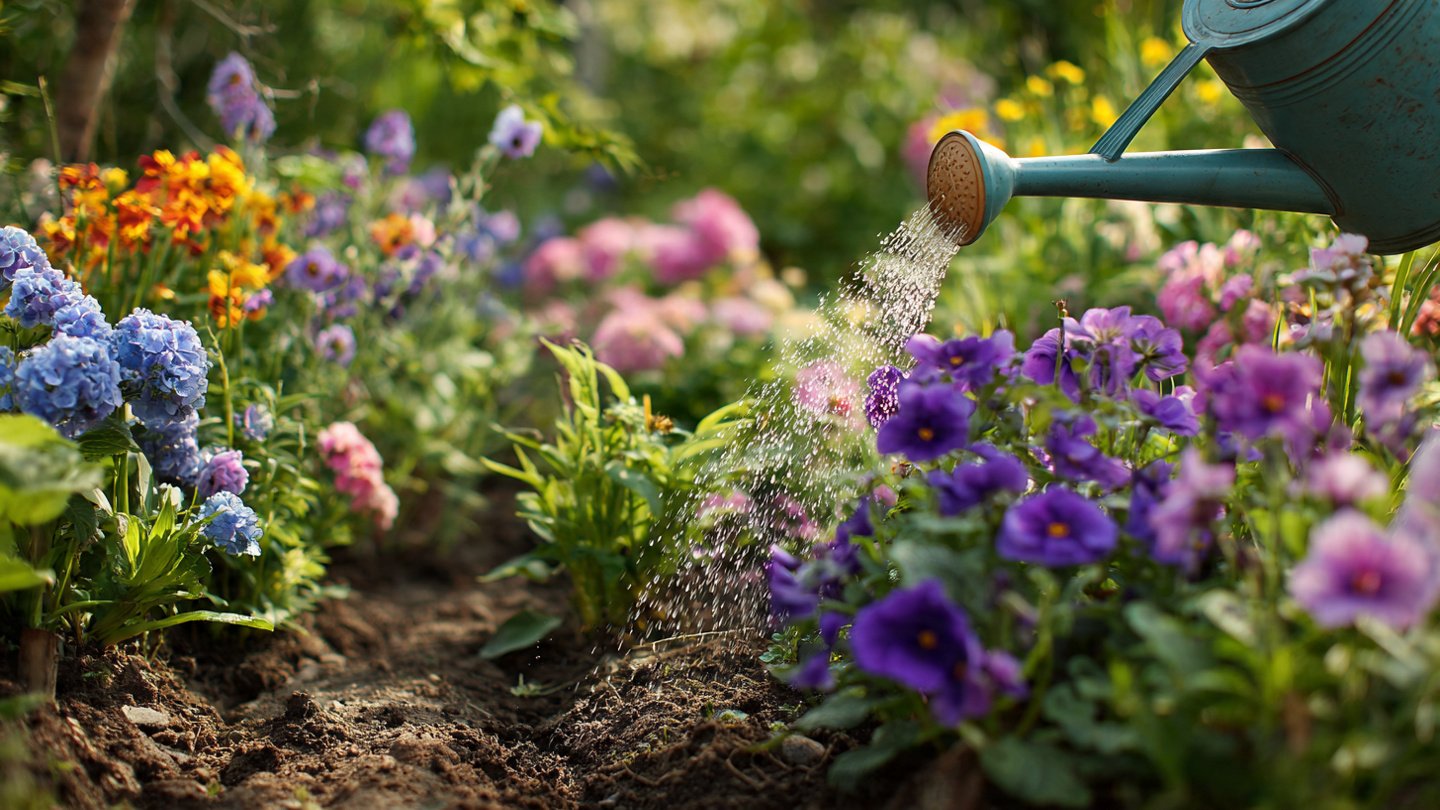
A flourishing flower garden requires more than just sunlight, water, and love—it needs proper nutrition. While soil provides a foundation, many gardeners have discovered that liquid fertilizers can dramatically enhance growth, bloom quality, and overall plant health. Unlike granular fertilizers, liquid formulas deliver nutrients quickly, allowing plants to absorb essential minerals efficiently and produce stronger roots, brighter flowers, and more abundant blooms.
This comprehensive guide explains how liquid fertilizers work, their benefits for your flower garden, application methods, and tips to maximize results while maintaining a healthy, vibrant garden.
Why Flower Gardens Benefit from Liquid Fertilizers
Flower gardens are visually stunning, but they are also nutrient-demanding. Blooming plants, in particular, require high levels of nitrogen, phosphorus, potassium, and micronutrients to sustain growth. Liquid fertilizers offer several advantages over traditional granular options:
- Rapid Nutrient Absorption: Liquid fertilizers are already dissolved, allowing roots and leaves to absorb nutrients almost immediately. This leads to faster results and visibly healthier plants.
- Targeted Feeding: Foliar sprays allow nutrients to be absorbed directly through leaves, providing a quick boost for struggling or stressed plants.
- Customizable Nutrition: Liquid fertilizers come in formulas tailored for flowering plants, balancing nitrogen for foliage, phosphorus for blooms, and potassium for overall plant health.
- Ease of Use: Liquid fertilizers can be mixed with water and applied through watering cans, hoses, or sprayers, making feeding straightforward and efficient.
By incorporating liquid fertilizers, gardeners can achieve rapid improvements in plant vigor, bloom size, and color intensity.
Key Nutrients in Liquid Fertilizers
Understanding the nutrients in liquid fertilizers helps gardeners choose the right product for their flower garden:
- Nitrogen (N): Promotes lush green leaves and strong stems.
- Phosphorus (P): Essential for root development and vibrant, long-lasting blooms.
- Potassium (K): Supports overall plant health, disease resistance, and stress tolerance.
- Micronutrients: Calcium, magnesium, iron, zinc, and manganese contribute to color, growth, and disease resistance.
A well-balanced liquid fertilizer delivers all these nutrients efficiently, ensuring every plant thrives.
How Liquid Fertilizer Enhances Bloom Quality
One of the most noticeable benefits of liquid fertilizer is its effect on flowering:
- Larger, Brighter Flowers: Regular feeding encourages plants to produce more blooms with richer colors.
- Extended Bloom Period: Nutrient-rich feeding keeps flowers healthy for longer, allowing your garden to maintain a vibrant appearance throughout the season.
- Healthier Foliage: Strong leaves support blossoms, improving overall plant vitality and resistance to pests and diseases.
- Uniform Growth: Liquid feeding prevents nutrient deficiencies that can cause uneven growth, resulting in a more attractive and cohesive garden.
By maintaining optimal nutrition, gardeners can transform their flower beds into a visual masterpiece with minimal effort.
Application Methods for Maximum Impact
Liquid fertilizers are versatile, and choosing the right application method depends on plant type and garden layout:
1. Soil Drench
- Mix the liquid fertilizer with water according to package instructions.
- Pour it directly around the base of each plant, ensuring roots absorb the nutrients.
- Ideal for perennials, shrubs, and container plants.
2. Foliar Spray
- Apply diluted fertilizer directly to leaves using a spray bottle or garden sprayer.
- Foliar feeding allows rapid absorption of nutrients, especially during flowering or stress periods.
- Best used during cooler parts of the day to avoid leaf burn.
3. Drip Irrigation Integration
- For larger flower beds, liquid fertilizers can be applied through drip irrigation systems.
- This method ensures even nutrient distribution and reduces manual labor.
- Supports consistent growth across the entire garden.
Choosing the right method ensures plants receive optimal nutrition for vibrant growth.
Timing and Frequency of Liquid Fertilizer Use
Proper timing and frequency are crucial to prevent overfeeding and achieve the best results:
- Seedlings and young plants: Feed lightly every 1–2 weeks to encourage strong root development.
- Established flowering plants: Apply every 2–3 weeks to promote blooms and maintain plant vigor.
- Stress periods: During heatwaves, drought, or after pruning, foliar feeding provides an immediate nutrient boost.
- Avoid over-fertilization: Too much fertilizer can burn roots, cause excessive leaf growth, or reduce flowering. Follow product instructions carefully.
Consistent, well-timed feeding ensures healthy growth without harming your plants.
Choosing the Right Liquid Fertilizer for Your Flower Garden
Not all fertilizers are created equal. When selecting a liquid fertilizer:
- Look for bloom-specific formulas: These have higher phosphorus content to promote flowers.
- Consider organic options: Fish emulsion, seaweed extracts, and compost teas provide nutrients naturally and improve soil health.
- Check for micronutrients: Plants often benefit from trace elements that enhance color, fragrance, and disease resistance.
- Match to plant type: Some fertilizers are designed for container plants, while others target garden beds or shrubs.
Selecting the right product ensures your garden receives the nutrients it needs to flourish.
Benefits Beyond Flowers
Liquid fertilizers don’t just improve blooms—they strengthen the entire plant ecosystem:
- Improved root systems: Nutrient-rich feeding encourages strong roots that support long-term plant health.
- Disease resistance: Well-nourished plants are better equipped to fight fungal infections and pests.
- Stress tolerance: Regular feeding increases resilience to drought, temperature fluctuations, and environmental stress.
- Enhanced soil life: Organic liquid fertilizers stimulate beneficial microbes that improve soil structure and fertility.
By using liquid fertilizers thoughtfully, gardeners enhance both plant performance and soil health, creating a thriving, sustainable flower garden.
Tips for Safe and Effective Use
To maximize the benefits of liquid fertilizers without harming plants:
- Follow instructions carefully: Always mix the correct concentration for soil or foliar application.
- Avoid mid-day application: Apply in the morning or evening to prevent leaf burn.
- Combine with watering: Ensure soil is moist before application to prevent nutrient shock.
- Rotate fertilizers: Occasionally alternate between different formulations to provide a full spectrum of nutrients.
- Monitor plant response: Adjust frequency and concentration based on growth and bloom performance.
Safe, consistent application ensures a healthy, productive garden without unintended damage.
Transforming Your Flower Garden with Liquid Fertilizer
When used correctly, liquid fertilizer can revolutionize a flower garden:
- Produces vibrant, abundant blooms that draw attention and delight the senses.
- Encourages lush, healthy foliage that supports flowers and enhances visual appeal.
- Strengthens roots and overall plant health, ensuring resilience against stress and disease.
- Allows for quick results, making it ideal for gardeners who want noticeable improvements in a short time.
Whether you have container plants, raised beds, or sprawling garden beds, liquid fertilizers help unlock the full potential of your flowers.
Final Thoughts
Liquid fertilizer is a powerful tool for any gardener aiming to transform a flower garden into a thriving, colorful oasis. Its rapid nutrient delivery, versatility, and ability to enhance both blooms and foliage make it indispensable for modern gardening. By choosing the right formula, applying it correctly, and maintaining a consistent feeding schedule, you can enjoy healthier plants, more vibrant colors, and extended flowering periods with minimal effort.
Incorporating liquid fertilizer into your garden routine not only boosts the visual appeal of your flowers but also improves overall plant health and resilience. With careful attention, your flower garden can become a vibrant, flourishing space that brings joy, relaxation, and natural beauty throughout the growing season.