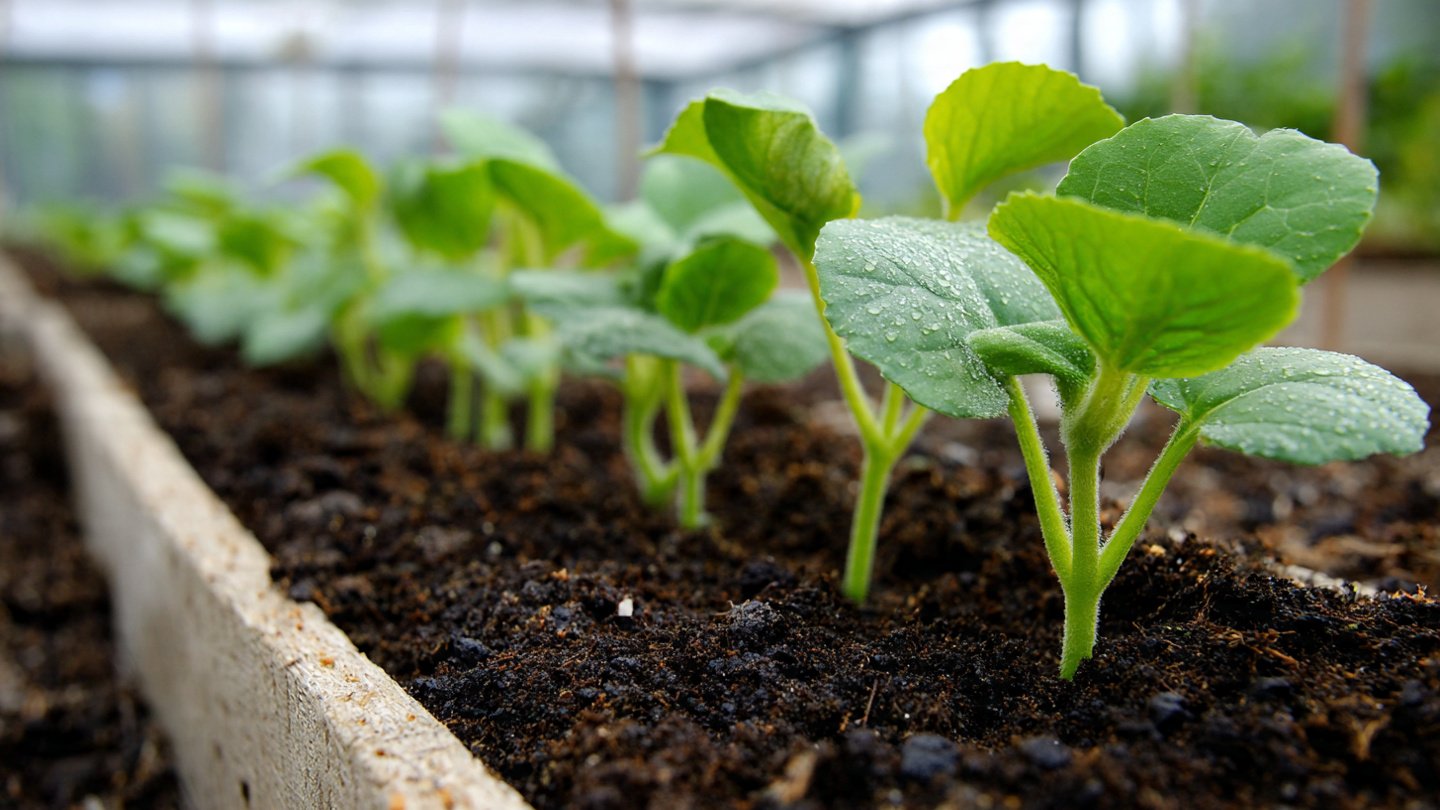
Young seedlings are among the most vulnerable stages of any plant’s life. At this delicate point, tender stems and shallow roots face constant threats—from hungry insects and harsh weather to nutrient competition and disease. Many gardeners instinctively turn to fertilizers, pesticides, or physical barriers for protection, but nature already provides a powerful and sustainable solution: companion planting.
Companion planting is the strategic placement of plants that support each other’s growth. When done correctly, it can safeguard seedlings, reduce pest pressure, improve soil health, and increase overall garden productivity. Understanding how companion planting works—and how to apply it effectively—can make the difference between struggling seedlings and a thriving garden.
What Is Companion Planting?
Companion planting is the practice of growing different plant species close together so they benefit one another. These benefits may include pest deterrence, improved nutrient uptake, shade protection, ground coverage, or attraction of beneficial insects. The concept is rooted in traditional farming and observation of natural ecosystems, where plants rarely grow in isolation.
For young seedlings, companion planting acts like a protective support system. Instead of standing alone and exposed, seedlings grow alongside plants that help shield them during their most fragile stage.
Why Young Seedlings Need Extra Protection
Seedlings lack the deep roots, thick stems, and chemical defenses that mature plants develop over time. As a result, they are especially susceptible to:
- Insect pests such as aphids, flea beetles, and cutworms
- Temperature stress from sudden heat or cold
- Competition from weeds
- Soil erosion and moisture loss
- Fungal diseases caused by overcrowding or poor airflow
Companion planting addresses many of these issues naturally, reducing the need for chemical interventions while promoting long-term garden health.
How Companion Planting Safeguards Seedlings
1. Natural Pest Deterrence
One of the most well-known benefits of companion planting is pest control. Certain plants emit strong scents or compounds that confuse or repel harmful insects. When placed near seedlings, these plants act as a living shield.
For example, aromatic herbs and flowering plants can mask the scent of young vegetables, making it harder for pests to locate them. Some companions even release substances into the soil that discourage insect larvae from feeding on nearby roots.
By surrounding seedlings with pest-deterring companions, you reduce the likelihood of early damage that can stunt growth or kill plants outright.
2. Attracting Beneficial Insects
Not all insects are enemies. Many beneficial insects prey on common garden pests or assist with pollination later in the season. Companion planting helps attract these helpful allies early.
Flowers with small, open blooms provide nectar for beneficial insects such as lady beetles, lacewings, and hoverflies. These insects feed on aphids and other pests that commonly attack seedlings. Establishing this balance early prevents pest populations from exploding later.
3. Physical Protection and Microclimate Support
Taller or bushier companion plants can offer physical shelter to seedlings. They may block strong winds, reduce sun scorch, or buffer temperature swings. This is especially helpful in exposed gardens or during unpredictable spring weather.
Some low-growing companions also act as living mulch, covering the soil around seedlings. This helps maintain soil moisture, prevents erosion, and reduces weed competition—all critical factors for healthy early growth.
4. Improved Soil Health and Nutrient Sharing
Healthy soil is the foundation of strong seedlings. Certain companion plants improve soil structure or contribute nutrients that benefit nearby plants.
Deep-rooted plants can bring nutrients up from lower soil layers, making them available to shallow-rooted seedlings. Others, such as nitrogen-fixing plants, enrich the soil naturally, supporting steady early growth without heavy fertilization.
Over time, this diversity creates a more resilient soil ecosystem that supports seedlings long after they are established.
5. Reduced Disease Pressure
Plant diversity helps limit the spread of soil-borne and airborne diseases. When large areas are planted with the same crop, pathogens can spread rapidly. Companion planting breaks up these patterns, reducing the chance of disease outbreaks.
Good companion combinations also improve airflow around seedlings, helping leaves dry faster after watering or rain. This reduces fungal problems that commonly affect young plants.
Smart Companion Planting Strategies for Seedlings
To get the most benefit from companion planting, a thoughtful approach is essential.
Start small: Introduce companions gradually rather than overcrowding your beds. Seedlings still need space, light, and airflow.
Match growth rates: Pair seedlings with companions that grow at a similar pace or slightly faster, but won’t overwhelm them.
Observe and adjust: Every garden is unique. Monitor how seedlings respond and adjust pairings if you notice competition or stress.
Rotate companions: Avoid planting the same combinations in the same location year after year to prevent nutrient imbalances and disease buildup.
Common Companion Planting Mistakes to Avoid
While companion planting is powerful, poor planning can cause problems.
- Overcrowding: Too many plants competing for space can weaken seedlings rather than protect them.
- Wrong pairings: Some plants inhibit each other’s growth through root competition or chemical interactions.
- Ignoring sunlight needs: Companions should have compatible light requirements to prevent shading issues.
Researching compatible plant relationships and observing your garden closely will help you avoid these pitfalls.
Long-Term Benefits Beyond Seedlings
The advantages of companion planting don’t stop once seedlings mature. Gardens designed with plant partnerships tend to be more productive, resilient, and easier to manage. Over time, you’ll notice fewer pest outbreaks, healthier soil, and stronger plants overall.
Additionally, companion planting encourages biodiversity, which supports pollinators and beneficial organisms that contribute to a balanced ecosystem. This creates a garden that works with nature rather than against it.
A Natural, Sustainable Gardening Tool
Companion planting is not a quick fix—it’s a thoughtful, holistic gardening practice. By using plant relationships to protect young seedlings, gardeners can reduce chemical use, lower maintenance, and improve success rates from the very beginning.
For both beginners and experienced gardeners, companion planting offers a simple yet powerful way to safeguard seedlings while building a healthier, more productive garden. With careful planning and observation, your young plants can grow stronger, faster, and more resilient—just as nature intended.