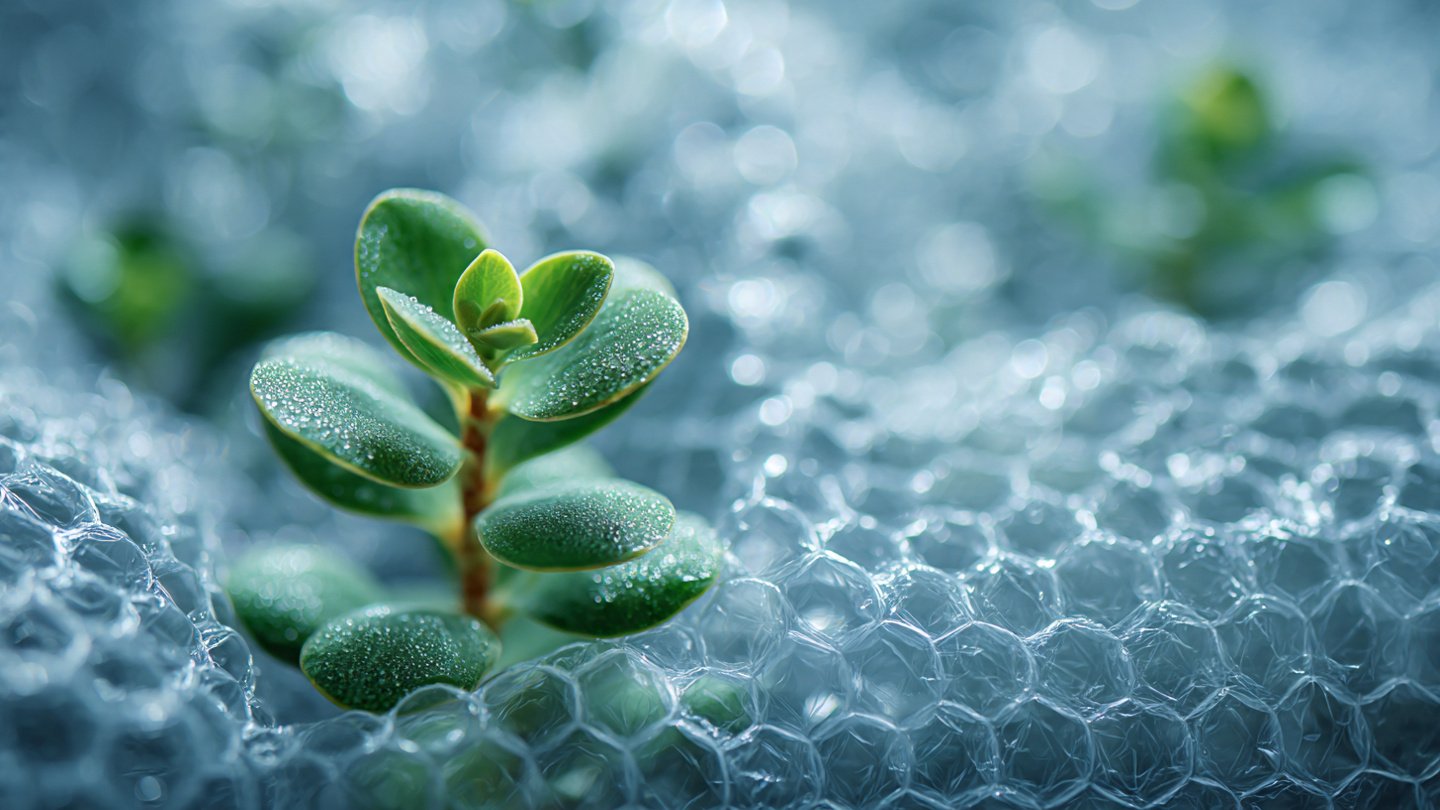
Winter can be harsh on gardens, especially for delicate plants that are sensitive to frost, cold winds, or fluctuating temperatures. While many gardeners invest in expensive greenhouses or insulated covers, an inexpensive and highly effective material is often overlooked: bubble wrap. Originally designed for protecting fragile items during shipping, bubble wrap has emerged as a versatile tool for winter plant protection. By creating insulating layers, conserving heat, and preventing frost damage, bubble wrap can help plants survive even the coldest months.
This guide explores how bubble wrap can transform your winter gardening strategy, offering practical tips, techniques, and benefits to protect your plants efficiently and cost-effectively.
Why Winter Plant Protection Matters
Cold weather can damage or kill plants in several ways:
- Frost Damage: Water inside plant cells can freeze, causing cells to burst and leaves to die.
- Cold Stress: Low temperatures slow growth and metabolism, weakening plants over time.
- Desiccation: Cold winds can dry out leaves and stems, even if the soil is moist.
Protecting plants during winter is essential to ensure healthy regrowth in spring, maintain fruiting or flowering cycles, and save perennial plants from permanent damage.
Why Bubble Wrap Works for Plants
Bubble wrap is an excellent material for insulation because:
- Air-Filled Pockets: The bubbles trap air, creating a natural barrier that reduces heat loss.
- Moisture Protection: Wrapped plants are shielded from drying winter winds, helping retain humidity.
- Light Transmission: Unlike opaque covers, bubble wrap allows some sunlight to penetrate, maintaining photosynthesis in evergreen or semi-evergreen plants.
- Cost-Effective and Reusable: Bubble wrap is inexpensive and can be stored for use year after year, making it an economical winter solution.
Choosing the Right Bubble Wrap
Not all bubble wrap is created equal. For plant protection:
- Medium to Large Bubbles: Provide better insulation than tiny bubbles.
- UV-Resistant Options: If the wrap is exposed to sunlight, UV-resistant bubble wrap prevents degradation.
- Transparent or Translucent: Allows light to reach the plant, promoting minimal growth and health maintenance during winter.
Avoid thin, low-quality wrap that tears easily, as it will not provide sufficient insulation.
How to Use Bubble Wrap on Potted Plants
Bubble wrap is particularly useful for container gardening during winter. Here’s how to apply it effectively:
- Measure and Cut: Measure the height and circumference of the pot or plant container. Cut bubble wrap sheets accordingly.
- Wrap the Container: Wrap the entire pot with bubble wrap, securing it with tape, string, or clips.
- Layer for Extra Insulation: For extremely cold temperatures, wrap multiple layers. The trapped air between layers enhances insulation.
- Elevate the Container: Place pots on bricks or wooden blocks to avoid direct contact with cold ground, which can sap heat.
- Protect the Plant Crown: For sensitive plants, consider creating a loose bubble wrap cover over the plant itself, leaving space for air circulation to prevent mold growth.
Using Bubble Wrap in the Garden
Bubble wrap isn’t just for pots—it can protect outdoor garden beds as well. Techniques include:
- Mini Greenhouses: Wrap stakes or PVC frames with bubble wrap to create small protective tunnels over plants.
- Row Covers: Lay bubble wrap over low-growing crops and secure with clips or weights to reduce frost exposure.
- Cold Frames: Line the sides of wooden cold frames with bubble wrap for extra insulation, maintaining stable temperatures inside.
Protecting Fruit Trees and Shrubs
Bubble wrap can also safeguard young or vulnerable trees and shrubs. For trunk protection:
- Wrap the Trunk: Spiral bubble wrap around the trunk from the base up to the first branches, securing with twine.
- Prevent Frost Cracks: The insulation reduces sudden temperature fluctuations, which can crack bark.
- Protect Buds: Wrapping branches in small sections can shield dormant buds from frost damage while allowing air circulation.
Benefits for Winter Gardening
Using bubble wrap for winter protection offers multiple advantages:
- Reduces Frost Damage: Maintains a more consistent microclimate around plants.
- Saves Plants: Protects perennials, tropical plants, and young seedlings from freezing.
- Extends Growing Season: Insulated plants can survive earlier frosts, allowing gardeners to harvest longer or prepare for spring planting sooner.
- Prevents Root Damage: Insulation around pots or ground covers shields roots from freezing soil.
- Eco-Friendly Option: Reusable bubble wrap reduces the need for disposable frost cloths or plastic films.
Maintenance Tips
To get the most out of bubble wrap protection:
- Monitor Moisture: Trapped heat can cause condensation. Check for dampness and avoid fungal problems.
- Remove During Sunny Days: If temperatures rise, temporarily remove wrap to prevent overheating.
- Store Properly: After winter, clean and store bubble wrap for reuse the next season.
- Combine with Mulch: For garden beds, layer bubble wrap with mulch for added insulation.
Common Mistakes to Avoid
While bubble wrap is effective, improper use can cause problems:
- Tight Wrapping: Wrapping plants too tightly can damage stems and leaves. Always leave room for growth and air circulation.
- Neglecting Ventilation: Completely sealed wrap can trap moisture and encourage mold.
- Excessive Sun Exposure: Plastic can amplify heat under direct sunlight. Monitor temperatures and remove during warm days.
Advanced Applications
Gardeners can experiment with creative uses of bubble wrap:
- DIY Portable Mini Greenhouses: Combine bubble wrap with wooden or PVC frames for mobile winter protection.
- Seedling Protection: Small trays of seedlings can be wrapped to maintain warmth and moisture, reducing the need for heating mats.
- Covering Water Features: Bubble wrap can even insulate small ponds or water troughs, preventing freezing for beneficial insects and garden microclimates.
Final Thoughts
Bubble wrap is more than a packaging material—it’s a versatile, cost-effective, and highly efficient solution for winter plant protection. From pots and garden beds to fruit trees and seedlings, this simple material can prevent frost damage, maintain stable temperatures, and extend your gardening season. By combining insulation, light transmission, and moisture protection, bubble wrap allows plants to survive harsh winter conditions without sacrificing growth or health.
With proper use, monitoring, and seasonal adjustments, bubble wrap can transform your winter gardening strategy, turning a challenging season into an opportunity for plant survival and early spring success. Whether you are an urban gardener with limited space or a backyard enthusiast looking to protect valuable perennials, bubble wrap is a practical tool that ensures your garden thrives even in the coldest months.