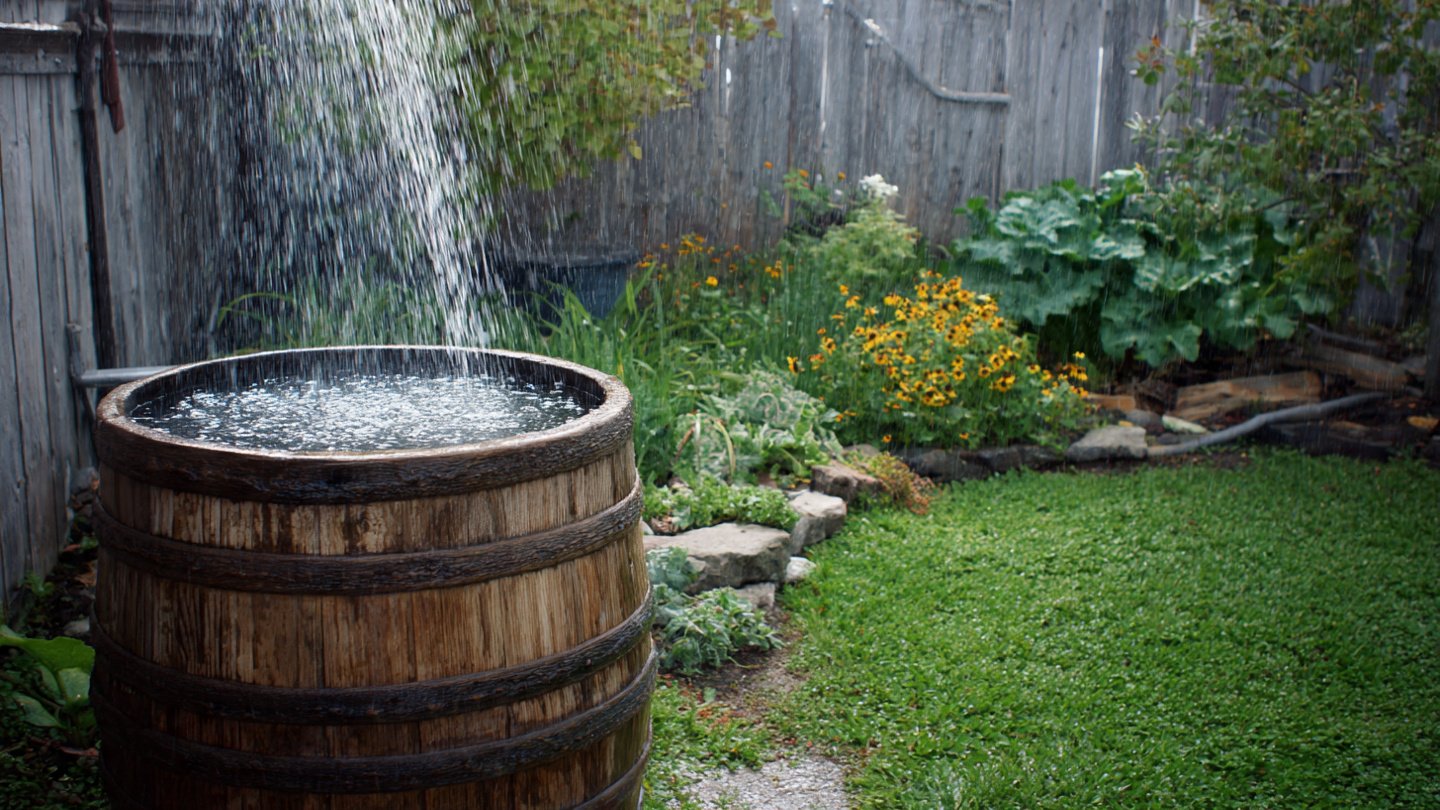
Water is one of our most precious resources, yet many households take it for granted. From watering lawns and gardens to washing cars or filling birdbaths, the demand for water can add up quickly. At the same time, municipal water systems are under pressure, and climate change is causing more frequent droughts in many regions. One simple, practical solution that helps conserve water, reduce bills, and support sustainability is installing a rain barre
Rain barrels are an eco-friendly tool that captures rainfall from your roof and stores it for later use. While they may seem modest in size, their benefits—for both your household and the environment—are surprisingly significant. Here’s why every environmentally conscious homeowner should consider a rain barrel and how to get the most out of one.
What Is a Rain Barrel?
A rain barrel is a container, usually made of plastic, metal, or wood, that collects rainwater from rooftops via gutters. A simple rainwater harvesting system typically consists of:
- Gutters to channel water from the roof
- Downspouts to guide water into the barrel
- A screened top or mesh filter to keep debris and insects out
- A spigot or hose attachment for easy water access
The collected water is stored until needed for tasks like watering plants, washing tools, or even filling small ponds. While the concept is simple, the cumulative impact can be substantial.
How Rain Barrels Save Water
- Reduce Tap Water Usage
Every gallon collected in a rain barrel is a gallon of municipal water saved. This is especially valuable during hot, dry months when gardens and lawns require frequent watering. For example, a medium-sized garden may use 30–50 gallons of water per day during peak summer. A single 50–60 gallon rain barrel can significantly offset this usage. - Lower Your Water Bill
By replacing some tap water with rainwater, you reduce household water consumption, which directly translates into lower utility bills. Over a full gardening season, this savings can be surprisingly high, especially in areas where water costs are elevated. - Conserve Municipal Resources
Every drop of rainwater captured reduces the strain on municipal water systems. During dry periods, this helps communities stretch available water resources and maintain sustainable supply levels for everyone.
Environmental Benefits of Rain Barrels
Beyond household savings, rain barrels offer broader ecological advantages:
- Prevent Stormwater Runoff
Rain that falls on rooftops usually flows into storm drains, picking up pollutants like oil, fertilizer, and sediment along the way. Capturing water in a rain barrel helps reduce stormwater runoff, minimizing pollution entering rivers, lakes, and oceans. - Support Soil and Plant Health
Rainwater is naturally soft and free of chlorine and other chemicals often found in tap water. Using rainwater for gardens improves soil quality and supports healthy, thriving plants. - Mitigate Drought Effects
In regions experiencing periodic drought, even small rainwater reserves can help maintain gardens and green spaces, contributing to local resilience against water shortages.
How to Maximize Rain Barrel Efficiency
- Choose the Right Size
Rain barrels range from 30 gallons to 100 gallons or more. Consider roof size, average rainfall in your area, and how you plan to use the water. Larger barrels store more water but require careful placement and support. - Position Properly
Place the barrel on a level surface, ideally on a raised platform. Elevating the barrel allows gravity to create water pressure for hoses or watering cans and keeps it stable. - Install a Screen or Filter
Keep leaves, debris, and mosquitoes out with a fine mesh screen. This ensures water stays clean and reduces maintenance. - Link Multiple Barrels
For larger water needs, connect several barrels in series. Overflow from one barrel feeds the next, maximizing storage during heavy rains. - Regular Maintenance
Clean gutters, screens, and barrels regularly. Inspect for leaks or cracks, and drain the barrel during winter if you live in freezing climates to prevent damage.
Creative Ways to Use Rain Barrel Water
Rain barrel water can be used for a variety of practical and creative applications:
- Garden Irrigation – Water vegetables, flowers, or shrubs using a watering can or drip irrigation system.
- Lawns and Turf – Use rainwater to supplement irrigation, reducing tap water needs.
- Outdoor Cleaning – Wash patio furniture, tools, or vehicles with stored rainwater.
- Wildlife and Birds – Fill birdbaths or small ponds to support local wildlife.
- Composting – Moistening compost piles with rainwater promotes faster decomposition.
Using water wisely helps homeowners make the most of their collected supply while fostering a more sustainable lifestyle.
Rain Barrels in Urban and Small Spaces
Even urban residents with limited outdoor space can benefit from rain barrels:
- Balcony Gardens – Compact barrels or water storage containers can collect water from balcony or rooftop gutters.
- Community Gardens – Shared rain barrels reduce communal water costs and support multiple garden plots.
- Vertical Gardening Systems – Rainwater can be stored in tanks or containers connected to vertical planters.
Small-scale rainwater harvesting demonstrates that conservation doesn’t require large properties or industrial equipment—just thoughtful planning and consistent care.
Potential Challenges and How to Overcome Them
While rain barrels are effective and eco-friendly, some challenges may arise:
- Mosquitoes and Insects
Solution: Use screens or tightly sealed lids to prevent breeding. Add a few drops of vegetable oil to the water surface as a deterrent. - Overflow During Heavy Rain
Solution: Install overflow outlets that direct excess water safely into the garden or drainage area. - Winter Freezing
Solution: Drain barrels before freezing temperatures to prevent cracking. Alternatively, use insulated or flexible containers. - Water Stagnation
Solution: Rotate water usage regularly, ensuring stored water doesn’t sit idle for months.
With simple precautions, these issues are easily managed.
Long-Term Benefits of Rainwater Harvesting
Installing a rain barrel is a long-term investment in sustainability. Over time, rainwater harvesting can:
- Reduce reliance on municipal water
- Decrease household water bills
- Support resilient gardens and landscapes
- Contribute to community-wide water conservation efforts
- Encourage environmentally conscious habits for the whole family
For gardeners and environmentally conscious homeowners, the impact of capturing even a few hundred gallons of rain per season is significant.
Final Thoughts
Rain barrels are an easy, cost-effective, and environmentally responsible way to save water and conserve resources. By capturing rain from your roof, you reduce tap water consumption, protect natural waterways, support garden health, and contribute to a more sustainable community. Whether you’re a backyard gardener, urban balcony grower, or simply looking for ways to reduce household water bills, a rain barrel is a simple step with far-reaching benefits.
By taking advantage of rainwater, you not only nurture your plants but also help the planet, one rainfall at a time.