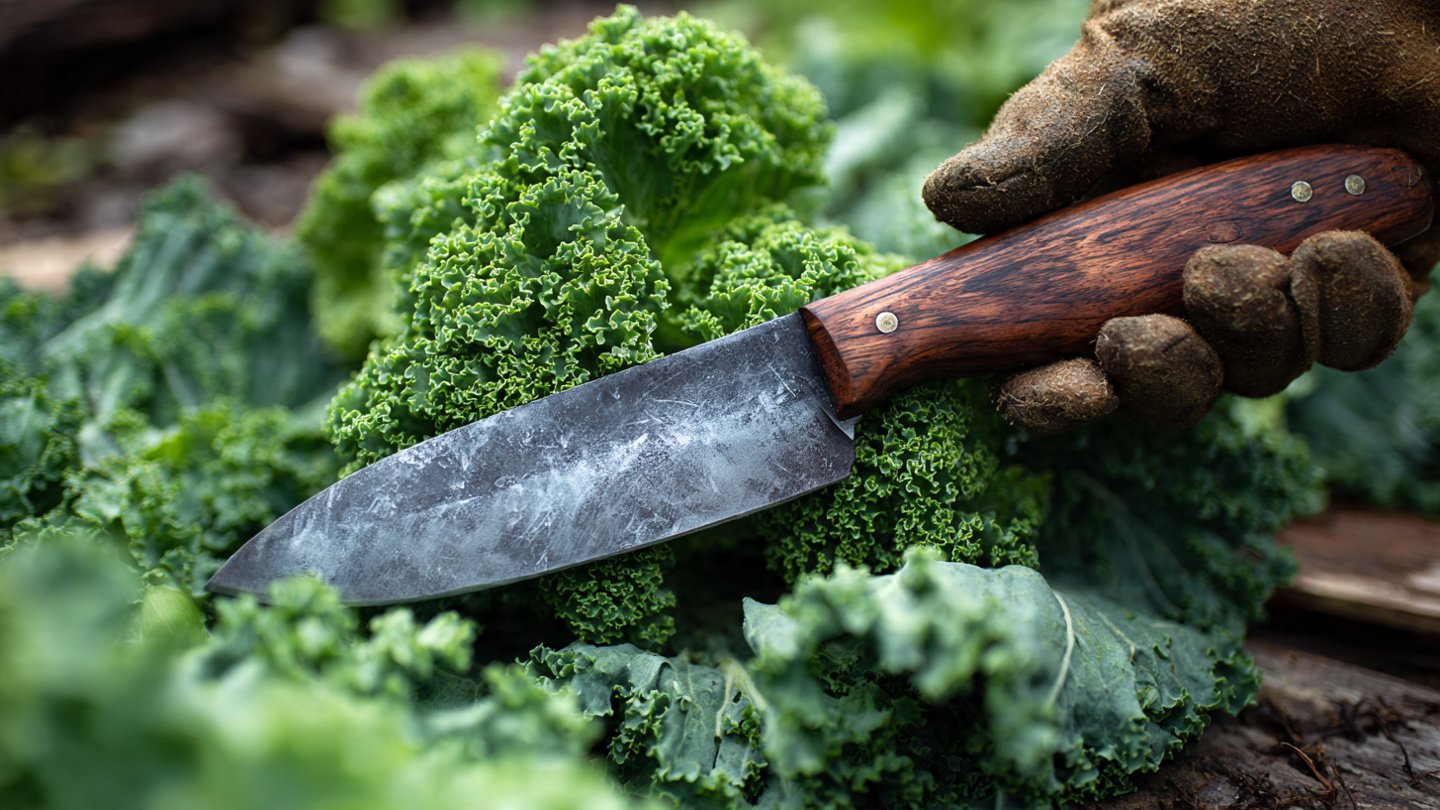
For many gardeners, harvesting is one of the most rewarding moments of the growing season. After weeks or months of nurturing plants, picking fresh vegetables, herbs, and fruits feels like the culmination of hard work and dedication. However, the experience can be made significantly easier, safer, and more efficient with the right tool: the garden knife. Often overlooked, a high-quality garden knife is a versatile companion that can transform harvesting from a tedious task into a smooth, enjoyable process.
This article explores how a garden knife enhances harvesting, the features that make it indispensable, and tips for choosing and using one to elevate your gardening experience.
The Versatility of a Garden Knife
A garden knife is not just a cutting tool—it’s a multifunctional implement designed specifically for the demands of gardening. Unlike kitchen knives, garden knives are crafted to handle soil, roots, and stems while remaining durable and safe for outdoor use.
Key uses of a garden knife include:
- Harvesting Produce – Easily cut vegetables like carrots, tomatoes, peppers, and herbs without damaging the plant.
- Pruning and Deadheading – Trim flowers, remove dead leaves, or shape small shrubs for healthier growth.
- Dividing Plants and Bulbs – Separate overcrowded perennials or dig up bulbs for storage without causing excessive damage.
- Weeding – Use the sharp edge or pointed tip to cut weeds at the base, including those with tough roots.
Its multifunctionality makes it an all-in-one tool that reduces the need for multiple implements, saving time and effort during gardening tasks.
How a Garden Knife Improves Harvest Efficiency
Using a garden knife can dramatically improve the efficiency of harvesting. Here’s how:
- Precise Cutting – Unlike scissors or hands, a sharp knife allows clean cuts, reducing damage to both plants and produce. This is especially important for delicate herbs or soft fruits like tomatoes.
- Time-Saving – With a reliable knife, you can harvest quickly and move efficiently through the garden. This is invaluable during peak harvest periods when timing affects freshness and flavor.
- Ease of Use – Ergonomically designed handles reduce hand fatigue during repetitive tasks, making it easier to harvest larger quantities in less time.
- Minimizing Waste – Clean cuts prevent bruising and reduce the likelihood of spoilage, ensuring more of your produce reaches the table in perfect condition.
By streamlining the harvesting process, a garden knife transforms what could be a strenuous chore into a more enjoyable and productive activity.
Key Features of a High-Quality Garden Knife
Not all garden knives are created equal. When choosing one, look for features that enhance durability, safety, and versatility:
- Blade Material – Stainless steel blades resist rust and corrosion while maintaining a sharp edge. High-carbon steel is also durable but may require more maintenance to prevent rust.
- Sharpness and Edge Retention – A sharp blade ensures clean cuts. Some knives come with serrated edges for cutting tough stems or roots.
- Handle Design – Ergonomic handles made from wood, plastic, or rubber provide a comfortable grip, reducing strain during prolonged use.
- Blade Length and Shape – Shorter blades are ideal for precise tasks like herb harvesting, while longer blades can handle larger vegetables and fruits. Pointed tips assist in digging or separating soil.
- Safety Features – Non-slip handles, protective sheaths, or finger guards improve safety while working with sharp edges.
Choosing a knife with the right combination of features ensures maximum efficiency and comfort while protecting both the gardener and the plants.
Techniques for Harvesting with a Garden Knife
Using a garden knife effectively requires proper technique to protect both plants and produce:
- Harvest at the Right Time – Pick vegetables and fruits when they are ripe, as overripe produce can be more susceptible to damage during cutting.
- Cut at the Base – For leafy greens, herbs, or stems, cut near the base of the plant to allow regrowth. Avoid pulling by hand, which can damage roots.
- Use a Gentle Motion – Let the knife do the work with a smooth slicing motion rather than forcing it through stems.
- Clean Between Uses – Wipe the blade with a cloth or disinfectant to prevent the spread of plant diseases. A clean knife also maintains sharpness longer.
Mastering these techniques ensures that your garden knife enhances the harvesting experience while promoting plant health.
Beyond Harvesting: Additional Benefits
While harvesting is a major advantage, a garden knife provides other benefits that improve overall gardening efficiency:
- Weeding and Soil Work – Dig into compacted soil or remove weeds without disturbing nearby plants.
- Pruning and Shaping – Keep ornamental plants and shrubs tidy, promoting better growth and aesthetics.
- Dividing Perennials – Carefully separate plants during transplantation or propagation, increasing garden productivity.
- Accessibility – A knife is compact and portable, allowing you to carry it easily while moving through garden beds or rows.
Its versatility makes the garden knife an indispensable tool for everyday gardening, far beyond harvesting alone.
Caring for Your Garden Knife
Proper care extends the life of your knife and ensures optimal performance:
- Clean After Each Use – Remove soil, sap, or plant residue to prevent rust and maintain hygiene.
- Sharpen Regularly – Use a sharpening stone or knife sharpener to keep edges precise.
- Store Safely – Keep the knife in a sheath or designated drawer to prevent accidents.
- Avoid Excess Moisture – Dry thoroughly after cleaning to prevent corrosion, especially with high-carbon steel blades.
With proper care, a quality garden knife can last for many seasons, offering consistent performance.
Choosing the Right Knife for Your Garden
When selecting a garden knife, consider the types of plants you grow, the size of your garden, and your specific harvesting needs:
- Small Gardens – Compact knives with short blades are perfect for herbs, salad greens, and small vegetables.
- Large Gardens – Longer blades and multi-purpose knives handle larger vegetables and fruits efficiently.
- Specialized Needs – Serrated edges work well for fibrous stems, while pointed tips help dig up root vegetables.
Investing in the right knife tailored to your gardening style maximizes comfort, productivity, and results.
Conclusion
A garden knife is more than just a tool—it’s a transformative companion for gardeners. By providing precise cutting, reducing plant damage, improving efficiency, and offering versatility, it elevates the harvesting experience from a routine chore to a rewarding and enjoyable activity.
From harvesting tender herbs to cutting root vegetables and pruning ornamental plants, a well-chosen garden knife enhances productivity, protects plant health, and makes gardening more satisfying. Combined with proper care, correct techniques, and thoughtful selection, this simple yet essential tool ensures that every harvest is smoother, faster, and more enjoyable.
Whether you’re a novice gardener or a seasoned enthusiast, a garden knife is a must-have for anyone looking to streamline their gardening tasks, improve efficiency, and enjoy the full rewards of their hard work.