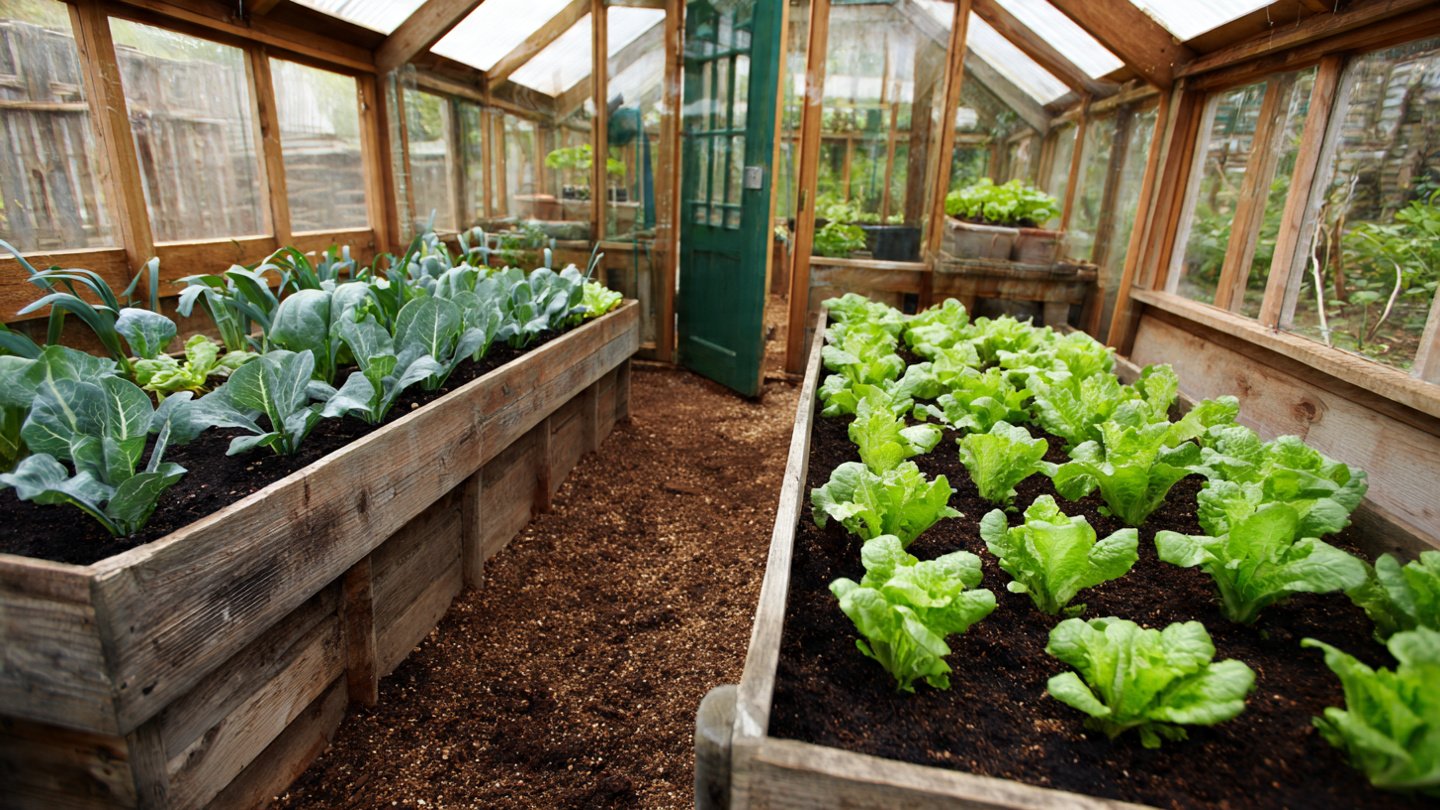
Spring is a season of renewal, but it can also be unpredictable. Frosts linger, temperatures fluctuate, and seeds sown too early may fail to germinate. For gardeners eager to get a head start, a cold frame can transform the way you approach spring planting. This simple yet powerful tool allows you to extend your growing season, protect tender seedlings, and enjoy a more productive garden earlier in the year.
Whether you’re a beginner gardener or a seasoned enthusiast, understanding how a cold frame works and how to use it effectively can elevate your spring gardening experience.
What Is a Cold Frame?
A cold frame is essentially a small, enclosed structure with a transparent top—usually glass or clear plastic—that sits low to the ground. It acts like a mini greenhouse, capturing sunlight and creating a slightly warmer, more controlled environment for plants.
Key features of a cold frame:
- Transparent lid: Allows sunlight in while protecting plants from wind and frost.
- Insulated walls: Traditionally wood or recycled materials, sometimes combined with straw or compost for added warmth.
- Ventilation: Adjustable lids allow you to regulate temperature and airflow.
Cold frames are compact, versatile, and can be built or purchased to fit any garden space.
How Cold Frames Benefit Spring Gardening
Cold frames provide multiple advantages for gardeners in early spring:
- Early Seed Starting: You can sow seeds weeks before outdoor soil warms, giving seedlings a head start.
- Frost Protection: Tender plants are shielded from unexpected late frosts.
- Soil Warming: The sun’s energy trapped inside warms the soil, encouraging faster germination.
- Reduced Transplant Shock: Seedlings started in a cold frame adapt gradually to outdoor conditions, improving survival rates.
- Extended Growing Season: You can continue harvesting greens and herbs longer into spring before the outdoor environment stabilizes.
By harnessing these benefits, gardeners gain control over timing and plant growth, making spring less stressful and more productive.
Choosing the Right Cold Frame
Selecting or building the right cold frame depends on your gardening goals and available space:
- Size: Small frames are suitable for a few plants or seedlings, while larger frames can accommodate multiple rows of vegetables.
- Material: Wood is traditional and sturdy, but recycled plastic or glass panes are lightweight and durable.
- Mobility: Some gardeners prefer portable frames that can be moved to catch sunlight.
- Tilt and Orientation: Position the frame so the lid faces south (in the northern hemisphere) for maximum sun exposure.
A well-chosen cold frame ensures optimal warmth, light, and protection for your early spring crops.
Preparing Your Cold Frame for Spring
Before planting, preparation is key:
- Clear Debris: Remove leaves, old plants, and soil clumps from the previous season.
- Check Soil Quality: Cold frames benefit from nutrient-rich, well-draining soil. Add compost or organic matter if needed.
- Level Ground: A flat surface ensures even heat distribution and proper drainage.
- Preheat (Optional): On sunny days, open the lid to allow warmth to accumulate inside the frame.
Proper preparation sets the stage for successful seed starting and early harvests.
Choosing Plants for Early Spring Cold Frames
Cold frames are versatile and can accommodate a wide range of plants. Popular choices include:
- Leafy greens: Lettuce, spinach, arugula, and kale thrive in slightly warmer conditions.
- Herbs: Parsley, cilantro, and chives germinate faster in a protected environment.
- Hardy vegetables: Peas, radishes, and carrots can be sown early for an early crop.
- Tender seedlings: Tomatoes, peppers, and eggplants benefit from starting in a cold frame before transplanting outdoors.
By selecting the right crops, gardeners can enjoy fresh produce weeks ahead of the outdoor growing season.
Managing Temperature and Ventilation
Temperature management is critical in cold frames:
- Daytime: Open the lid slightly on warm, sunny days to prevent overheating.
- Nighttime: Close the lid fully to trap warmth and protect plants from frost.
- Thermometers: Using a simple thermometer helps monitor the microclimate inside the frame.
- Automatic Vent Openers: For convenience, some gardeners install devices that open the lid when temperatures exceed a set point.
Proper ventilation ensures healthy, vigorous seedlings without heat stress.
Watering and Maintenance
Cold frames require careful attention to water and soil care:
- Check Moisture: Soil can dry quickly in a cold frame due to warmth and sun exposure.
- Water Gently: Use a watering can or fine spray to avoid dislodging young seedlings.
- Mulching: A light mulch of straw or shredded leaves helps retain moisture.
- Pest Control: Cold frames reduce exposure to pests, but keep an eye out for slugs or aphids.
Consistent care helps plants thrive and prevents problems before they escalate.
Gradually Hardening Off Seedlings
One of the key advantages of a cold frame is easing seedlings into the outdoor environment. This process, known as hardening off, acclimates plants to wind, sun, and fluctuating temperatures.
Steps for hardening off:
- Start by opening the lid during the day while keeping it closed at night.
- Gradually extend the time the seedlings spend outside over 7–10 days.
- Reduce watering slightly to encourage root resilience.
- Monitor for stress signs like wilting or leaf burn, adjusting exposure as needed.
Seedlings hardened in a cold frame are stronger, healthier, and more likely to thrive once transplanted.
Extending the Cold Frame’s Use Beyond Early Spring
While cold frames are invaluable for early spring, they offer benefits beyond the initial season:
- Summer Shade: Partially shaded frames can protect young plants during heat waves.
- Fall Harvest: Extend the growing season for late crops like spinach or lettuce.
- Winter Protection: With additional insulation, hardy greens and herbs can survive mild winter conditions.
A cold frame is a year-round tool that provides versatility and resilience for your garden.
DIY Cold Frame Ideas
For gardeners who enjoy DIY projects, cold frames can be built using inexpensive materials:
- Recycled Windows: Old glass panes over a wooden box create a functional frame.
- Plastic Bottles or Containers: Cut bottles or containers can form small protective mini-frames for seedlings.
- Polystyrene or Foam Boxes: Lightweight and insulating, ideal for temporary use.
Building your own cold frame allows customization to fit your space, crops, and budget.
Conclusion
A cold frame can truly revolutionize your spring gardening experience. By providing early protection, controlled warmth, and a nurturing environment for seedlings, it allows gardeners to start sooner, harvest earlier, and grow a wider variety of crops.
Whether you’re growing tender seedlings, extending the season for leafy greens, or simply experimenting with early crops, a cold frame offers a manageable, low-cost way to take control of your garden. With proper placement, soil preparation, watering, and temperature management, it transforms unpredictable early spring conditions into an opportunity for success.
For any gardener seeking to maximize space, enjoy fresh produce sooner, and cultivate stronger, healthier plants, a cold frame is an essential tool that makes spring gardening more enjoyable, productive, and rewarding.