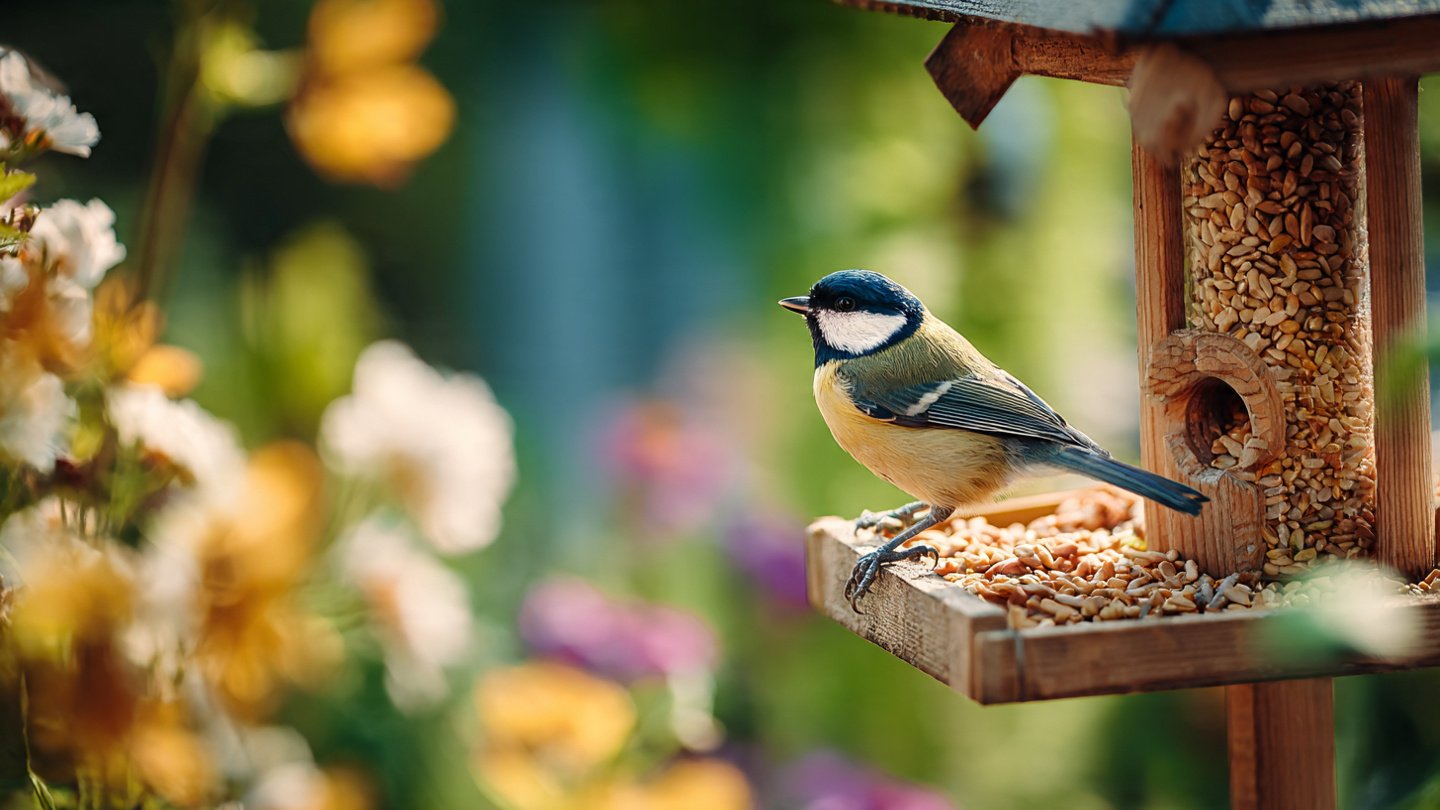
In today’s fast-paced world, gardens have become more than just aesthetic spaces—they are sanctuaries for nature, personal relaxation, and wildlife. One of the simplest yet most transformative additions to a garden is a bird feeder. While many gardeners focus on plants, flowers, and landscaping, introducing a bird feeder can completely change the dynamics of your outdoor space, turning it into a haven not just for birds, but for your garden as a whole.
Attracting a Variety of Birds
Bird feeders are powerful tools for drawing in a diverse array of bird species. From energetic finches to elegant cardinals, the presence of these feathered visitors adds life and color to your garden. The variety of birds that visit will depend on the type of feeder and the food you provide. For example, tube feeders filled with sunflower seeds attract small songbirds like chickadees and nuthatches, while platform feeders can accommodate larger birds such as doves and jays.
By attracting a variety of birds, you’re also encouraging biodiversity in your garden ecosystem. Birds play a critical role in controlling insect populations, pollinating plants, and dispersing seeds. Essentially, by feeding birds, you are supporting the natural helpers that keep your garden healthy and flourishing.
Natural Pest Control
One of the most immediate benefits of attracting birds to your garden is pest control. Many common garden pests, such as caterpillars, aphids, and beetles, are a favorite snack for birds. By introducing a bird feeder, you are essentially recruiting a team of natural gardeners. Instead of relying on chemical pesticides that can harm beneficial insects and contaminate soil, birds provide a clean, environmentally friendly alternative for keeping pests in check.
For example, sparrows and wrens are notorious for feasting on caterpillars, while bluebirds consume large quantities of beetles and other insects. By observing which birds frequent your feeder, you can even identify which species will help tackle specific pest problems in your garden.
Supporting Local Wildlife
Installing a bird feeder does more than just benefit your garden; it also provides crucial support for local wildlife. Birds face numerous challenges today, including habitat loss, pollution, and harsh winters that limit food availability. A consistent source of nutrition, such as a bird feeder, can make a real difference in helping these creatures survive and thrive.
Moreover, by choosing organic, non-moldy, and locally appropriate bird food, you contribute positively to the local ecosystem. Your feeder can become a small but significant sanctuary, particularly in urban or suburban areas where natural resources may be limited.
Encouraging Plant Growth and Seed Dispersal
Birds are not just pest controllers—they’re also gardeners in their own right. Many bird species help in the dispersal of seeds, spreading plant life across your garden and surrounding areas. This natural seed distribution promotes plant diversity and can help your garden flourish with minimal effort on your part.
By strategically placing a bird feeder near flowering plants or fruit-bearing shrubs, you create a symbiotic relationship. Birds enjoy the food you provide, while your plants benefit from the fertilization and seed dispersal they facilitate. Over time, this interaction can lead to a healthier, more resilient garden ecosystem.
Stress Relief and Mental Wellness
While the ecological benefits of a bird feeder are substantial, the personal benefits should not be underestimated. Observing birds is a proven stress reliever. The simple act of watching a cardinal hop from branch to branch or a hummingbird hover midair can provide moments of calm, joy, and mindfulness.
Gardening itself is therapeutic, but adding a bird feeder introduces an element of unpredictability and wonder. Each visit becomes a mini-event, breaking up the monotony of daily life and providing natural entertainment for children and adults alike. Your garden becomes a living canvas where both humans and wildlife can coexist and thrive.
Designing a Bird-Friendly Garden
To maximize the impact of your bird feeder, consider the overall design of your garden. Birds need safety and shelter as much as food. Planting native shrubs, trees, and flowers nearby provides cover from predators and harsh weather. Dense evergreens, berry-producing bushes, and flowering perennials can create ideal resting and nesting spots for your avian visitors.
Additionally, providing water sources such as bird baths or small ponds enhances your garden’s appeal. Birds require clean water for drinking and bathing, and having a feeder alongside a water source encourages longer visits and repeated visits from your feathered friends.
Types of Bird Feeders and Food
Choosing the right bird feeder is crucial for attracting specific species. Tube feeders, suet feeders, platform feeders, and hummingbird feeders all serve different purposes. Likewise, the food you offer can be tailored to attract the birds you want. Black oil sunflower seeds, nyjer seeds, peanuts, suet cakes, and nectar are popular options.
Regular maintenance of your feeder is also essential. Clean your feeders frequently to prevent mold and disease, rotate the food types to keep birds coming back, and monitor which species are frequenting your garden to adjust your offerings as needed.
Creating a Community of Helpers
Perhaps the most rewarding aspect of installing a bird feeder is the sense of community it fosters—both among wildlife and human observers. Birds, though small, form part of an intricate network that supports garden health and sustainability. By providing food, shelter, and water, you become part of that network, nurturing helpers who will, in turn, nurture your plants.
Sharing your garden’s bounty and birdwatching experiences with neighbors, friends, or children can also cultivate awareness and appreciation for wildlife conservation. Your garden becomes not just a personal refuge but an educational and inspiring space for the wider community.
Conclusion
Adding a bird feeder to your garden is more than a simple act of decoration; it is a transformative step that invites life, energy, and natural helpers into your outdoor space. From controlling pests to dispersing seeds, supporting local wildlife, and offering moments of peace and joy, a bird feeder touches multiple facets of garden health and personal well-being. By investing in a feeder, the right food, and thoughtful garden design, you can create a thriving ecosystem that benefits both birds and humans—a true haven for helpers.