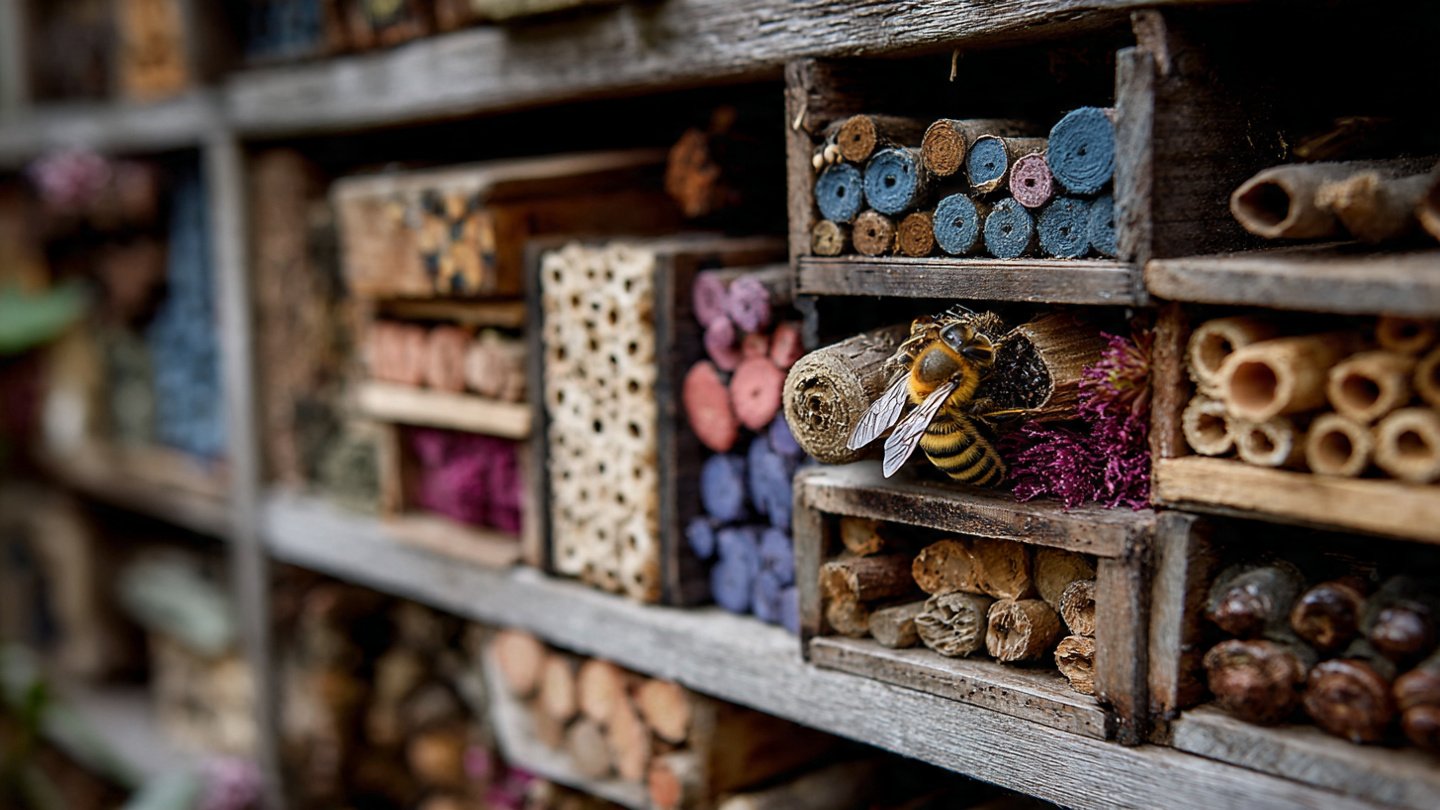
Summer is the perfect season for gardens to come alive, but the beauty of flowers and greenery often depends on more than just sun and water—it relies on pollinators. Bees, in particular, play a critical role in pollination, helping flowers, fruits, and vegetables flourish. Yet many gardeners notice a decline in local bee populations, leaving plants struggling to reach their full potential. One simple, eco-friendly solution is introducing a bee hotel to your garden. Beyond supporting pollinators, a bee hotel can enrich your garden’s ecosystem, boost productivity, and even add a charming visual element.
What Is a Bee Hotel?
A bee hotel is essentially a habitat designed to provide shelter for solitary bees and other pollinating insects. Unlike honeybees, solitary bees do not live in hives or produce honey, but they are incredibly effective pollinators. Bee hotels typically consist of small tubes, holes, or wooden blocks with cavities that mimic natural nesting spots, such as hollow stems or old wood. These structures give solitary bees a safe place to lay eggs, rest, and survive the season.
By installing a bee hotel, gardeners create an inviting space for these pollinators, helping them thrive and, in turn, helping the plants in the garden.
The Benefits of a Bee Hotel for Your Garden
1. Enhanced Pollination and Plant Productivity
The primary advantage of attracting bees to your garden is improved pollination. Solitary bees are highly efficient pollinators, often transferring more pollen than honeybees per visit. By providing a secure nesting spot, you encourage more bees to frequent your garden, leading to:
- Increased fruit and vegetable yields
- Healthier flower growth
- Improved seed production for annuals and perennials
For gardeners growing fruiting plants like tomatoes, peppers, or berries, a few extra pollinators can make a noticeable difference in harvest size.
2. Promotes Biodiversity
Bee hotels support a variety of solitary bee species and other beneficial insects, such as ladybugs and lacewings. These insects help maintain a balanced garden ecosystem:
- Ladybugs consume aphids and other pests
- Solitary bees enhance flowering plants’ reproductive success
- Lacewings feed on soft-bodied garden pests
By installing a bee hotel, you’re contributing to local biodiversity while creating a self-sustaining ecosystem that reduces reliance on chemical pesticides.
3. Educational and Aesthetic Value
A bee hotel is not just functional—it can also be a decorative addition to your garden. Many models come in attractive wooden designs, colorful arrangements, or vertical wall-mounted styles.
- Kids and visitors can observe bees nesting safely, offering a hands-on educational experience about pollinators and their role in nature.
- Wooden or bamboo bee hotels can complement garden decor while blending naturally into the landscape.
Having a visible bee hotel also raises awareness of pollinator conservation, inspiring responsible gardening practices.
Choosing the Right Bee Hotel
Not all bee hotels are created equal, so selecting the right one is important:
- Material: Look for untreated wood, bamboo, or recycled plant materials. Avoid chemicals or painted surfaces that may harm bees.
- Hole Size: Different bee species prefer different hole diameters. A mix of 2–10 mm diameters accommodates a variety of solitary bees.
- Depth: Holes should be 10–15 cm deep to provide adequate nesting space.
- Shelter: Place the bee hotel in a sunny, sheltered location, preferably facing southeast, to catch morning sunlight while remaining protected from wind and rain.
Regular maintenance, such as cleaning or replacing worn-out nesting tubes, will keep your bee hotel safe and functional for multiple seasons.
Where to Place Your Bee Hotel
Placement is key to attracting pollinators:
- Mount the hotel 3–6 feet off the ground on a wall, fence, or post.
- Ensure it’s protected from heavy rain and prevailing winds.
- Position it near flower beds, fruit bushes, or vegetable gardens to provide easy access to nectar and pollen.
- Avoid areas with excessive human traffic or constant disturbance.
By positioning the hotel strategically, you increase the likelihood of occupancy and the effectiveness of pollination in your garden.
Seasonal Care and Maintenance
A bee hotel requires minimal care, but a few simple practices ensure longevity:
- Spring: Inspect for damage or old nesting tubes. Replace any worn or moldy materials.
- Summer: Monitor activity but avoid disturbing nesting bees. Ensure nearby plants are in bloom to provide food.
- Fall/Winter: Protect from heavy rain or snow. Some bee hotels can remain outdoors; others benefit from temporary relocation to a sheltered area.
By maintaining your bee hotel seasonally, you provide a reliable habitat for bees year after year.
Creating a Bee-Friendly Garden Around the Hotel
A bee hotel is most effective when paired with a pollinator-friendly garden. Consider planting:
- Native flowers: These attract local bee species and provide familiar food sources.
- Continuous bloom plants: Mix early, mid, and late-season blooms to feed bees throughout the season.
- Diverse plant heights: Low-growing herbs, medium shrubs, and tall flowering plants create layers that attract a variety of pollinators.
- Avoid pesticides: Chemical sprays can harm bees, so opt for natural pest control methods.
Providing water, such as a shallow dish with pebbles, can also help bees hydrate safely.
The Bigger Impact of Bee Hotels
Beyond individual gardens, bee hotels contribute to local pollinator populations, helping combat declining bee numbers worldwide. Solitary bees face habitat loss due to urban development, pesticide use, and climate changes. By offering nesting opportunities, gardeners actively participate in pollinator conservation, supporting a healthier, more resilient environment.
In addition to immediate garden benefits, planting bee-friendly flowers near the hotel enhances soil health and encourages a rich, balanced ecosystem where both plants and pollinators thrive.
Conclusion
Adding a bee hotel to your garden this summer is a small step with big rewards. From boosting pollination and productivity to supporting biodiversity and creating an educational, attractive feature, bee hotels provide multiple advantages for gardeners of all levels.
With thoughtful placement, seasonal care, and pollinator-friendly planting, your garden can become a thriving haven for solitary bees and other beneficial insects. Not only will your flowers and crops flourish, but you’ll also play an active role in preserving essential pollinator populations for the future.
Summer is the perfect season to introduce a bee hotel—watch your garden come alive with activity, color, and the hum of happy bees. It’s a win-win for both your garden and the environment.