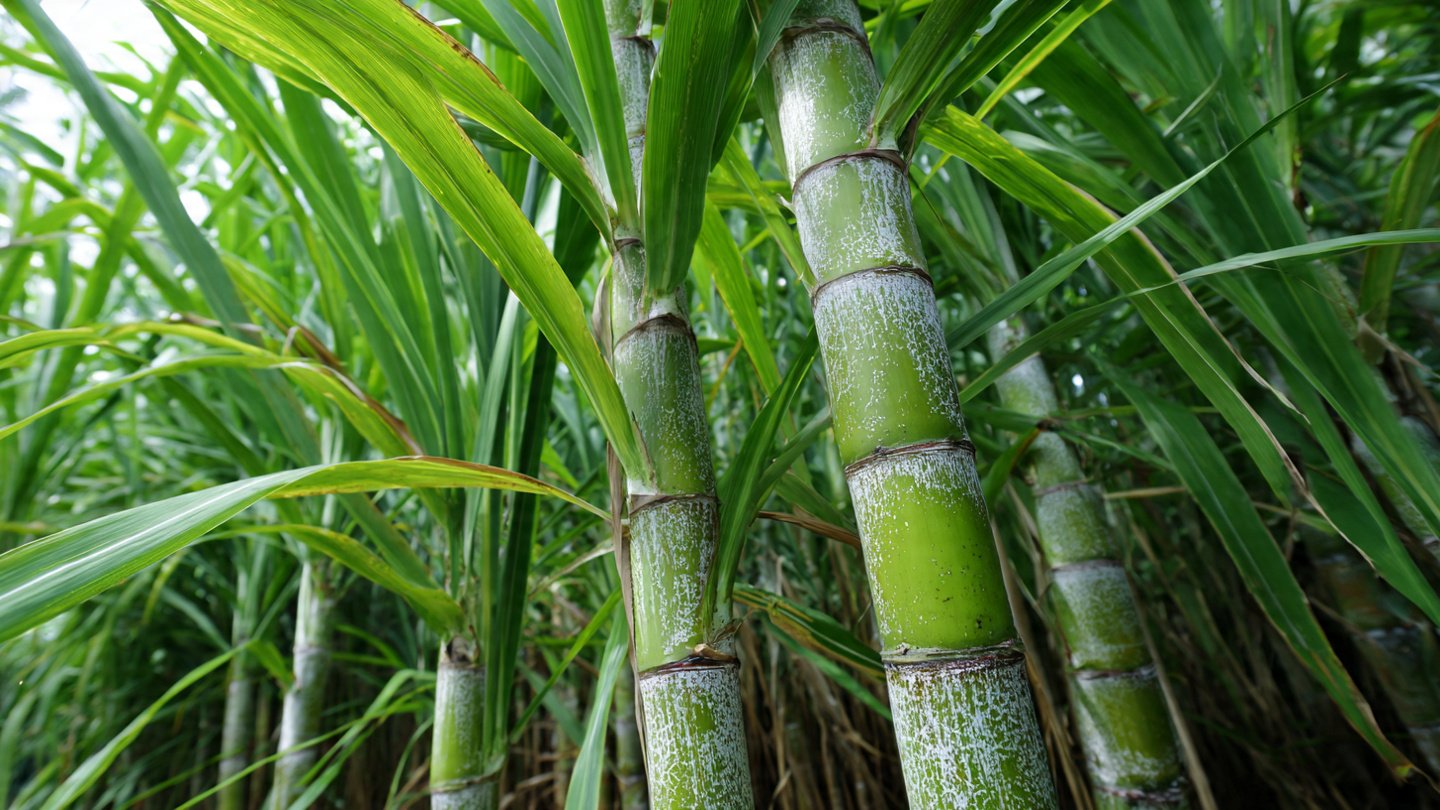
Sugar cane (Saccharum officinarum) is a tropical grass known for its sweet, juicy stalks and its central role in producing sugar, syrups, and juices. While often associated with large plantations in tropical regions, sugar cane can also be grown at home—even in small spaces—using containers. Growing sugar cane in pots or large planters allows gardeners to enjoy fresh stalks for juicing, cooking, or ornamental purposes, even if they don’t have access to a full garden. This comprehensive guide will walk you through every step to successfully grow sugar cane in containers, from selecting varieties to harvesting your own sweet stalks.
Step 1: Understanding Sugar Cane and Its Growing Requirements
Before planting, it’s important to understand the basic needs of sugar cane:
- Climate: Sugar cane thrives in warm, tropical or subtropical climates with temperatures ranging from 70–95°F (21–35°C). It can tolerate light frost for short periods but grows best in consistently warm conditions.
- Sunlight: Full sun is essential for optimal growth. Sugar cane requires at least 6–8 hours of direct sunlight per day.
- Soil: Fertile, well-draining soil with a slightly acidic to neutral pH (6.0–7.0) is ideal. Rich, loamy soil enhances stalk growth and sweetness.
- Water: Sugar cane is a thirsty plant, especially during the early growth stages. Consistent moisture is crucial, but waterlogged soil must be avoided to prevent root rot.
- Container suitability: Sugar cane can grow well in large containers, preferably 18–24 inches in diameter and 24 inches deep, to accommodate its extensive root system.
Understanding these requirements helps set the foundation for a successful homegrown crop.
Step 2: Selecting the Right Sugar Cane Variety
Choosing the right sugar cane variety is critical for container growth and optimal sweetness. Some popular varieties suitable for home cultivation include:
- ‘Early Hawaiian’: Fast-growing and ideal for fresh juicing.
- ‘Red Ribbon’: Known for its vibrant red stalks and high sugar content.
- ‘Egyptian Green’: A tall variety with sweet, juicy stalks, perfect for larger containers.
- ‘Variegated Sugar Cane’: Attractive ornamental variety with striped stalks, suitable for decorative purposes and moderate consumption.
Select healthy stalks from reputable nurseries or local growers, preferably organic or untreated with growth inhibitors.
Step 3: Preparing Your Container
Proper container selection is essential for sugar cane’s successful growth:
- Size: Choose a large container with a minimum depth of 24 inches and a diameter of 18–24 inches. Sugar cane grows tall and develops an extensive root system.
- Drainage: Ensure the container has ample drainage holes to prevent waterlogging.
- Material: Plastic, ceramic, or wooden planters work well; avoid thin containers that dry out too quickly.
- Soil preparation: Use a well-draining potting mix enriched with compost or aged manure. Mix in some sand for better drainage and root aeration.
A properly prepared container provides the plant with room to grow and thrive.
Step 4: Planting Sugar Cane in Containers
Sugar cane is typically grown from cuttings rather than seeds, as this ensures faster growth and higher yields:
- Selecting cuttings: Choose healthy stalks 12–18 inches long with at least 3–4 nodes. Nodes are the small joints on the stalk where new shoots emerge.
- Soaking cuttings (optional): Soak the cuttings in water for 24–48 hours to encourage root development.
- Planting depth: Insert the cuttings horizontally or at a slight angle about 3 inches deep in the soil with at least one node buried.
- Spacing: In a large container, plant 2–3 cuttings, leaving sufficient space between them to allow growth.
- Watering: Water thoroughly after planting to settle the soil around the cuttings. Keep the soil consistently moist during early growth.
With proper planting, cuttings should sprout within 2–4 weeks.
Step 5: Positioning and Sunlight
Sugar cane requires abundant sunlight for optimal growth:
- Full sun: Place containers in a location that receives at least 6–8 hours of direct sunlight daily.
- Rotation: Rotate containers periodically to ensure even exposure and balanced growth.
- Protection: In regions with high winds or heavy rain, provide temporary shelter to prevent damage to tender shoots.
Consistent sunlight is crucial for strong stalk development and maximum sugar content.
Step 6: Watering and Fertilization
Sugar cane is a water-intensive crop, but careful watering is key in containers:
- Watering: Maintain consistently moist soil. During hot weather, daily watering may be necessary. Avoid waterlogging, which can lead to root rot.
- Fertilization: Sugar cane is a heavy feeder. Use a balanced liquid fertilizer or slow-release granular fertilizer every 4–6 weeks. Nitrogen promotes leaf growth, while potassium enhances sugar content in stalks.
- Organic options: Compost tea, fish emulsion, or well-rotted manure are excellent natural fertilizers.
Regular feeding ensures vigorous growth and sweet, juicy stalks.
Step 7: Mulching and Soil Care
Mulching helps retain moisture, suppress weeds, and regulate soil temperature:
- Mulch materials: Straw, shredded leaves, or coconut coir are ideal.
- Application: Apply a 2–3 inch layer around the base of the sugar cane, avoiding direct contact with the stalks to prevent rot.
- Soil monitoring: Check soil moisture regularly and loosen the top layer occasionally to prevent compaction.
Mulching improves overall plant health and reduces stress during hot or dry periods.
Step 8: Pest and Disease Management
Sugar cane in containers is less prone to pests than field-grown crops, but vigilance is still necessary:
- Common pests: Aphids, mealybugs, and scale insects can infest sugar cane. Remove them manually or treat with neem oil.
- Fungal diseases: Root rot or leaf blight can occur in poorly drained soil. Ensure proper drainage and avoid overhead watering.
- Prevention: Rotate cuttings and avoid overcrowding to maintain healthy airflow around stalks.
Early detection and proactive measures prevent major damage and ensure a healthy harvest.
Step 9: Encouraging Strong Stalk Growth
Sugar cane grows tall and develops multiple shoots from nodes. To encourage strong, healthy stalks:
- Pruning: Remove weaker shoots to focus energy on the strongest stalks.
- Support: Taller varieties may require stakes to prevent bending or breaking.
- Sunlight management: Ensure leaves receive full sunlight for photosynthesis and sugar production.
- Regular fertilization: Feed every 4–6 weeks, focusing on nitrogen during leaf growth and potassium as stalks mature.
Healthy growth maximizes both stalk size and sweetness.
Step 10: Harvesting Sugar Cane in Containers
Container-grown sugar cane typically takes 10–12 months to mature fully, depending on climate and care:
- Signs of maturity: Stalks become firm, woody, and develop a rich green or reddish color, depending on variety.
- Harvest method: Cut stalks near the base with a sharp knife or pruning shears. Remove dry leaves before juicing or consumption.
- Successive harvest: In tropical climates, some varieties may regrow shoots from the base for a second harvest.
Harvesting at the right time ensures maximum sweetness and juiciness for fresh juice or culinary use.
Step 11: Culinary Uses of Homegrown Sugar Cane
Growing sugar cane at home opens up numerous culinary possibilities:
- Fresh juice: Press stalks for sweet, refreshing juice.
- Cooking ingredient: Use small pieces to flavor stews, rice dishes, or beverages.
- Syrup production: Boil and reduce juice to create homemade sugar syrup.
- Ornamental use: Tall, green stalks with vibrant leaves can also serve as a decorative plant on patios or balconies.
Homegrown sugar cane provides freshness, flavor, and a connection to tropical agriculture right in your own container garden.
Step 12: Tips for Success in Container Gardening
- Choose large containers: Bigger pots promote strong root and stalk growth.
- Maintain consistent water and nutrients: Sugar cane thrives with regular feeding and proper moisture.
- Ensure full sunlight: Sunlight drives photosynthesis and sugar production.
- Monitor for pests and diseases: Early intervention prevents damage.
- Be patient: Sugar cane grows slowly compared to other vegetables; persistence is rewarded with sweet, tall stalks.
Following these tips ensures a productive and satisfying container sugar cane garden.
Conclusion
Growing sugar cane in containers is a rewarding way to enjoy fresh, sweet stalks without the need for large fields or tropical land. By carefully selecting varieties, preparing fertile soil, providing consistent water and sunlight, and managing pests and diseases, you can cultivate sugar cane successfully even in small spaces. Container-grown sugar cane offers culinary versatility, health benefits, and the satisfaction of producing your own natural sweetness at home.
Whether you want fresh juice, syrup, or a decorative tropical plant, container gardening allows you to bring the joys of sugar cane cultivation into your home or patio. With patience, care, and proper techniques, your homegrown sugar cane can thrive, providing delicious sweetness year after year.