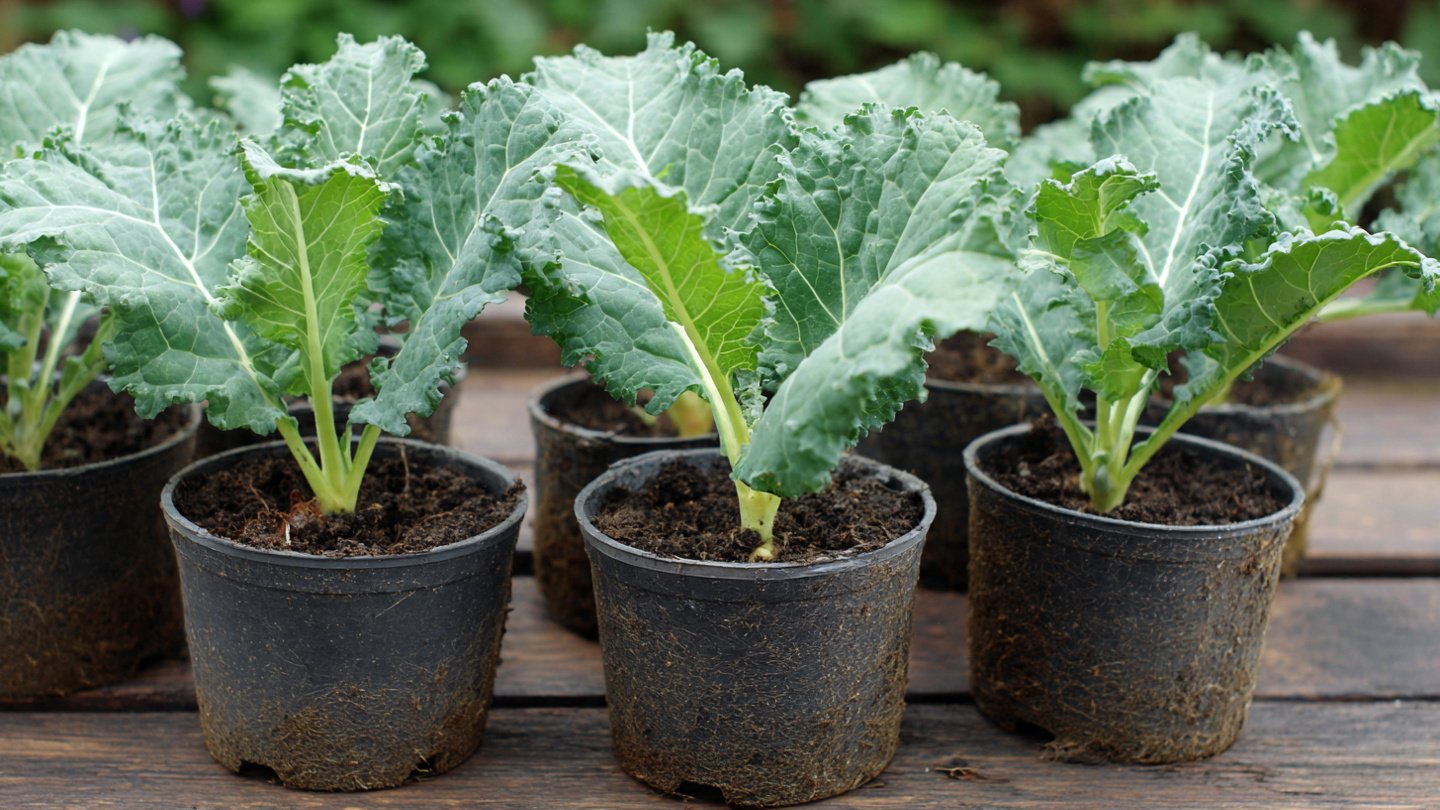
Kale has earned a reputation as a superfood thanks to its high nutrient content, including vitamins A, C, K, and a variety of antioxidants. Fresh, homegrown kale can elevate any meal, from smoothies and salads to soups and sautés. But did you know you don’t need a large garden to grow kale? With a few simple techniques, kale can thrive in small plastic pots, making it perfect for patios, balconies, or limited indoor spaces.
This guide will show you how to successfully grow kale in containers, from selecting seeds to caring for your plants and harvesting bountiful, nutrient-rich leaves. With proper planning and care, even small spaces can produce impressive kale yields year-round.
Why Grow Kale in Small Plastic Pots?
Container gardening offers several advantages for kale:
- Space Efficiency: Small pots allow you to grow kale in apartments, patios, or any area with limited ground space.
- Mobility: Containers can be moved to optimize sunlight exposure or protect plants from harsh weather.
- Control Over Soil: Using pots lets you manage soil quality, moisture, and fertility, leading to healthier plants.
- Pest Management: Growing kale in containers reduces exposure to ground-dwelling pests such as slugs and snails.
By growing kale in plastic pots, even urban gardeners can enjoy the satisfaction of homegrown, fresh greens.
Selecting the Right Kale Varieties
Different kale varieties vary in taste, texture, and adaptability. For container gardening, select varieties that thrive in limited space and provide high yields:
- Curly Kale: Classic variety with frilly leaves, robust flavor, and high ornamental appeal.
- Lacinato (Dinosaur) Kale: Dark green, elongated leaves, known for mild flavor and tenderness.
- Red Russian Kale: Produces flat, fringed leaves with a slightly sweet, nutty flavor, ideal for salads.
- Baby Leaf Varieties: These compact types are perfect for repeated harvesting in small pots.
Choosing the right variety ensures that your container-grown kale remains productive, tasty, and visually appealing.
Choosing the Right Plastic Pots
The container you select greatly affects kale growth. Here are essential considerations:
- Size: A pot with at least 10–12 inches in depth allows roots to grow properly. Wider pots (12–14 inches) support multiple plants.
- Drainage: Ensure the pot has drainage holes at the bottom to prevent waterlogging and root rot.
- Material: Lightweight plastic pots are ideal for mobility and heat retention, but avoid thin plastics that warp in direct sun.
Proper pot selection is the first step toward a thriving container kale garden.
Preparing the Soil for Kale
Kale thrives in fertile, well-draining soil. The best soil mix for container kale includes:
- Potting Mix: A high-quality, light potting soil provides structure and aeration. Avoid using dense garden soil alone.
- Compost: Adds nutrients and improves water retention. Well-rotted compost supports continuous growth and healthy leaves.
- Perlite or Vermiculite: Enhances drainage and aeration, preventing compacted soil.
- Organic Fertilizer: Slow-release or liquid organic fertilizers ensure that kale receives sufficient nitrogen, phosphorus, and potassium.
A balanced soil mix promotes root development, prevents nutrient deficiencies, and encourages lush leaf growth.
Planting Kale in Plastic Pots
From Seeds
- Seed Starting: Fill small plastic pots with the prepared soil mix and moisten lightly. Sow 2–3 seeds per pot at a depth of ½ inch.
- Germination: Keep soil consistently moist. Kale seeds germinate within 5–10 days under temperatures of 60–75°F (15–24°C).
- Thinning: Once seedlings have two true leaves, thin to one plant per pot or space them evenly to prevent overcrowding.
From Seedlings
- Transplanting: If using nursery seedlings, plant at the same soil depth as they were in their original pots.
- Spacing: In small pots, plant one or two seedlings per pot to ensure adequate airflow and prevent competition for nutrients.
Proper planting ensures strong, healthy kale plants with plenty of room to develop leaves.
Watering and Moisture Management
Kale prefers consistently moist soil but does not tolerate waterlogging. Follow these tips for optimal hydration:
- Deep, Regular Watering: Water thoroughly when the top inch of soil feels dry. This encourages deep root growth.
- Morning Watering: Water early in the day to reduce the risk of fungal diseases and allow leaves to dry before evening.
- Mulching: Apply a thin layer of straw or organic mulch to retain moisture and keep soil temperatures stable.
Consistent watering prevents wilting, encourages leaf production, and keeps kale vibrant even in warmer climates.
Fertilization for Maximum Yield
Kale is a leafy green and benefits from nitrogen-rich fertilizer:
- Liquid Fertilizer: Feed container kale with a balanced liquid fertilizer every 2–3 weeks.
- Organic Amendments: Worm castings or compost tea provide a slow-release nutrient source and encourage beneficial microbes.
- Monitoring Growth: Yellowing leaves may indicate nitrogen deficiency. Adjust fertilization accordingly.
Proper nutrition supports strong stems, large leaves, and continuous harvests throughout the growing season.
Sunlight Requirements
Kale thrives in full sun to partial shade:
- Full Sun: 6–8 hours of sunlight daily produces robust leaves and faster growth.
- Partial Shade: In hot climates, provide afternoon shade to prevent leaf scorching.
- Indoor Growth: If growing kale indoors, place pots near south-facing windows or supplement with grow lights for 12–14 hours daily.
Adequate sunlight is critical for photosynthesis, leaf quality, and overall productivity.
Pest and Disease Management
Even in containers, kale may face pests and diseases. Common issues include:
- Aphids: Small, sap-sucking insects that cluster on new leaves. Spray with neem oil or insecticidal soap.
- Cabbage Worms: Larvae of butterflies that chew leaves. Handpick or use Bacillus thuringiensis (Bt) for organic control.
- Fungal Diseases: Powdery mildew or downy mildew may occur if humidity is high. Ensure proper spacing, airflow, and avoid overhead watering.
Container-grown kale reduces exposure to many ground pests, but vigilance ensures a healthy crop.
Harvesting Kale
Kale is a “cut-and-come-again” vegetable, meaning you can harvest continuously:
- Timing: Begin harvesting when leaves are 6–8 inches long.
- Technique: Cut outer leaves first, leaving the central growing point intact. This encourages new growth.
- Frequency: Harvest every 1–2 weeks for a continuous supply of fresh leaves.
Regular harvesting not only provides fresh greens but also stimulates the plant to produce more foliage.
Tips for Abundant Harvests
- Rotate Pots: Move containers occasionally to ensure all leaves receive sunlight.
- Regular Feeding: Continue fertilizing throughout the growing season to maintain nutrient levels.
- Pinching Tips: Pinch off flower buds in early growth to direct energy into leaf production.
- Prune Dead Leaves: Remove yellow or damaged leaves to maintain plant health and airflow.
By following these tips, even small plastic pots can produce bountiful kale harvests throughout the season.
Advantages of Growing Kale in Plastic Pots
Growing kale in containers has several benefits:
- Urban Gardening: Perfect for apartment balconies, rooftops, or small patios.
- Easy Mobility: Move pots indoors during cold snaps or extreme heat.
- Soil Control: Reduce soil-borne disease risks and optimize fertility.
- Aesthetic Appeal: Kale’s attractive leaves add greenery and texture to small spaces.
Container-grown kale proves that limited space doesn’t mean limited harvests.
Conclusion
Growing kale in small plastic pots is a practical and rewarding way to enjoy fresh, nutrient-rich greens at home. By selecting the right varieties, preparing a fertile, well-draining soil mix, and providing proper care—including watering, fertilization, and sunlight—you can achieve abundant harvests even in confined spaces.
The “cut-and-come-again” nature of kale ensures a continuous supply of fresh leaves, while container gardening allows urban and small-space gardeners to reap the benefits of homegrown vegetables. With attention to pest control, pruning, and regular harvesting, your small plastic pots can yield vibrant, healthy kale plants season after season.
From salads and smoothies to stir-fries and soups, homegrown kale transforms meals with fresh flavor and superior nutrition. By following this guide, even gardeners with limited space can create a thriving kale garden that provides both beauty and abundant harvests.