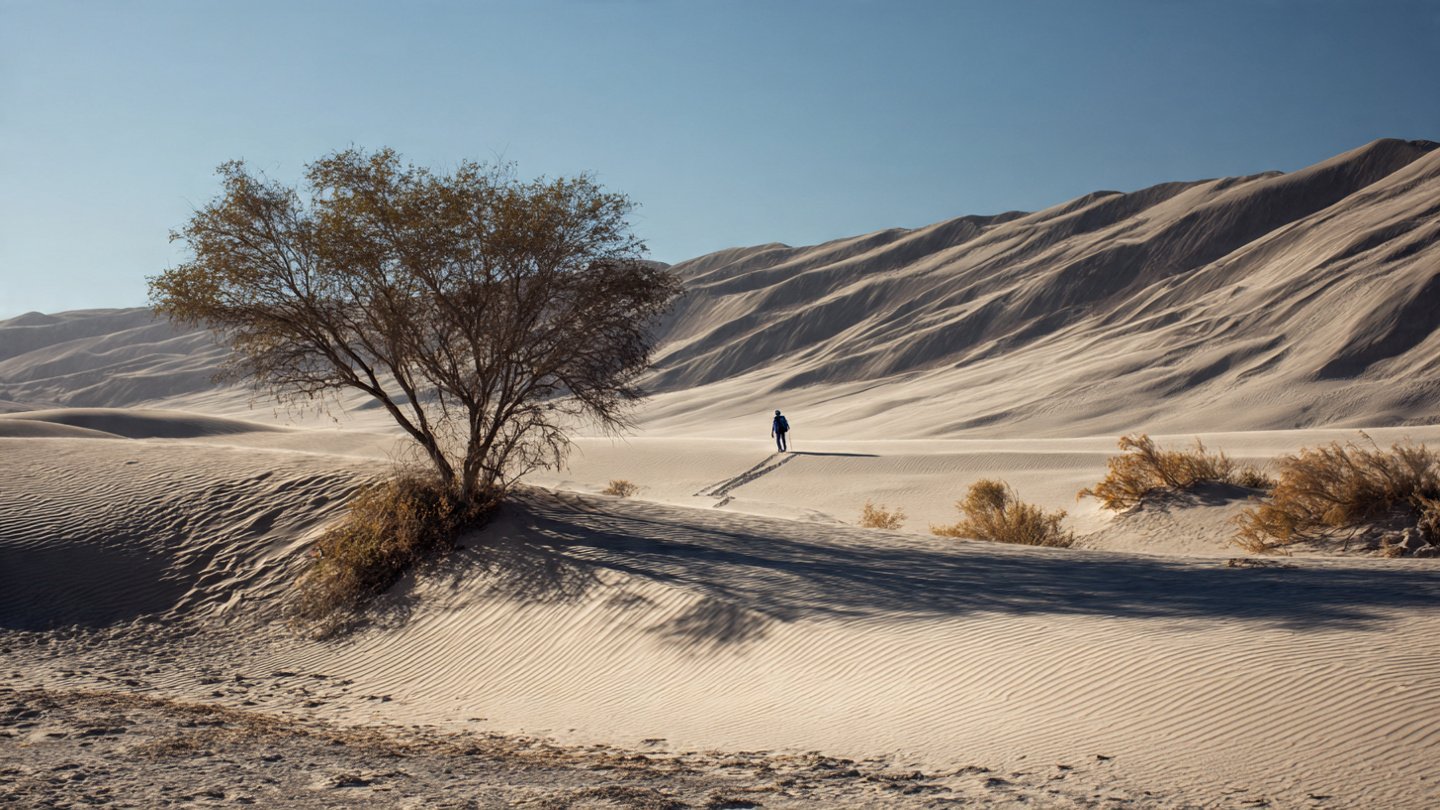
Deserts are often portrayed as barren, lifeless landscapes where survival is nearly impossible. Yet the world’s driest deserts tell a different story—one of resilience, adaptation, and hidden life that defies all expectations. From tiny microorganisms to hardy plants and elusive animals, life has found ways to thrive in extreme aridity, intense heat, and scarce water.
The most famous of these deserts is the Atacama Desert in northern Chile, often cited as the driest non-polar desert on Earth. With some regions receiving less than 1 millimeter of rain per year, it would seem inhospitable. However, researchers and explorers have uncovered an astonishing array of life forms and ecological phenomena that challenge assumptions about what it means to survive in the harshest environments on the planet.
Microbial Marvels: Life at a Microscopic Level
One of the most surprising discoveries in the world’s driest deserts is the abundance of microbial life. These microorganisms, often invisible to the naked eye, thrive in salt flats, mineral deposits, and rocks where moisture occasionally condenses.
- Endolithic Microbes – Certain bacteria and fungi live inside rocks, gaining protection from harsh sunlight and temperature extremes. Their existence highlights the ability of life to adapt to microhabitats even in extreme conditions.
- Salt-Tolerant Microbes – In hypersaline environments, such as salt flats in the Atacama, halophilic (salt-loving) microorganisms flourish, surviving where larger life forms cannot.
- Scientific Implications – Studying these extremophiles helps scientists understand potential life on other planets, particularly Mars, whose dry, arid conditions resemble parts of the Atacama.
The persistence of microbial life proves that even in landscapes that appear dead, complex ecosystems exist at the smallest scales.
Flora That Defies the Odds
While plants are typically associated with fertile soil and abundant rainfall, deserts harbor a surprising diversity of vegetation adapted to arid conditions:
- Cacti and Succulents – These plants store water in thick stems or leaves and open their stomata at night to minimize water loss. Species such as the Eulychnia cacti in the Atacama survive for decades with minimal rainfall.
- Fog-Dependent Plants – Coastal deserts receive occasional fog, which provides moisture. Certain shrubs and grasses have evolved to harvest this moisture using hairy leaves or specialized surfaces.
- Seeds in Dormancy – Some plants remain dormant as seeds for years, waiting for rare rainfall events to sprout, bloom, and set seed within weeks.
These adaptations demonstrate nature’s ingenuity, turning scarcity into opportunity for survival.
Animal Life: Small but Mighty
Contrary to the perception of deserts as lifeless, many animals have evolved remarkable strategies to persist:
- Insects and Arachnids – Beetles, scorpions, and spiders exhibit nocturnal behavior, staying hidden during the heat of the day and emerging at night to forage.
- Rodents – Species such as the Atacama’s leaf-eared mice obtain water primarily from the seeds they consume, eliminating the need for open water sources.
- Birds – Certain desert birds can fly long distances to find scarce water and feed on seeds or insects, timing their reproductive cycles to rainfall patterns.
Even larger animals, such as foxes or llamas in desert margins, survive by combining mobility with dietary flexibility, showcasing a delicate balance of energy and resource management.
Geological Features Support Life
The physical structure of deserts plays a crucial role in sustaining hidden life:
- Salt Flats – These flats may appear devoid of life, yet they host unique microbial mats that can metabolize minerals and survive extreme salinity.
- Rock Crevices and Canyons – These provide shade, shelter, and moisture retention, creating microclimates where plants and animals can survive.
- Intermittent Streams – Some deserts experience seasonal water flows, briefly creating habitats for amphibians, insects, and plants.
By exploiting these niches, life maximizes survival despite extreme environmental stress.
Human Discoveries and Research
Explorers and scientists studying the Atacama and other arid regions have made remarkable discoveries:
- Ancient Fossils – Evidence of prehistoric lakes, rivers, and vegetation shows that deserts were once far more hospitable, offering insight into climate change and adaptation.
- Meteorite Deposits – Dry, arid conditions preserve meteorites exceptionally well, providing both geological and astrobiological research opportunities.
- Biotechnological Applications – Extremophiles discovered in deserts have inspired developments in medicine, industrial enzymes, and environmental sustainability.
Human research underscores that deserts are not barren wastelands but living laboratories full of discovery potential.
Lessons from Desert Life
The hidden life in the world’s driest deserts offers profound lessons for both ecology and humanity:
- Adaptation is Key – Life persists through flexibility, innovation, and resilience, even under the harshest conditions.
- Water is Precious – Organisms demonstrate creative ways to conserve, harvest, and store moisture efficiently.
- Microhabitats Matter – Small niches can sustain entire ecosystems, emphasizing the importance of habitat preservation.
- Potential for Extraterrestrial Life – Extremophiles teach us that life can exist in conditions previously thought uninhabitable, expanding our understanding of where life might thrive beyond Earth.
Conservation Challenges
Despite their resilience, desert ecosystems are vulnerable:
- Climate Change – Rising temperatures and altered rainfall patterns threaten delicate ecological balances.
- Human Encroachment – Mining, urban expansion, and tourism can disrupt fragile habitats.
- Pollution – Even small amounts of chemical runoff or litter can devastate microorganisms and plant life adapted to minimal resources.
Protecting these deserts ensures the survival of life forms that defy expectations and preserves unique ecological and scientific opportunities.
Final Thoughts
The world’s driest deserts, such as the Atacama, offer a stunning reminder that life finds a way. From microscopic bacteria living inside rocks to resilient plants and elusive desert animals, these ecosystems challenge our assumptions about where and how life can survive. They are not empty wastelands but dynamic, intricate networks of organisms adapted to some of Earth’s harshest conditions.
Exploring these deserts teaches us about resilience, adaptation, and the limits of life, while also inspiring scientific discoveries with implications for sustainability, biotechnology, and even the search for life on other planets. Far from lifeless, deserts are living testaments to the ingenuity of nature, revealing that even in the most extreme conditions, life not only survives but thrives.