January may feel like the quietest month in the garden, but it doesn’t have to be dull or colorless. While many plants rest during winter, several flowers, shrubs, and cool-season favorites thrive in chilly temperatures. With the right choices, your garden can remain vibrant even in the heart of winter.
Planting in January depends on your climate, but in many regions—especially areas with mild winters—this is a perfect time to introduce hardy blooms and foliage plants that bring life to outdoor spaces. Even in colder zones, containers and protected spots can support early planting.
Here’s what you can plant in January to add stunning color to your garden beautifully.
1. Pansies – Winter’s Brightest Smile
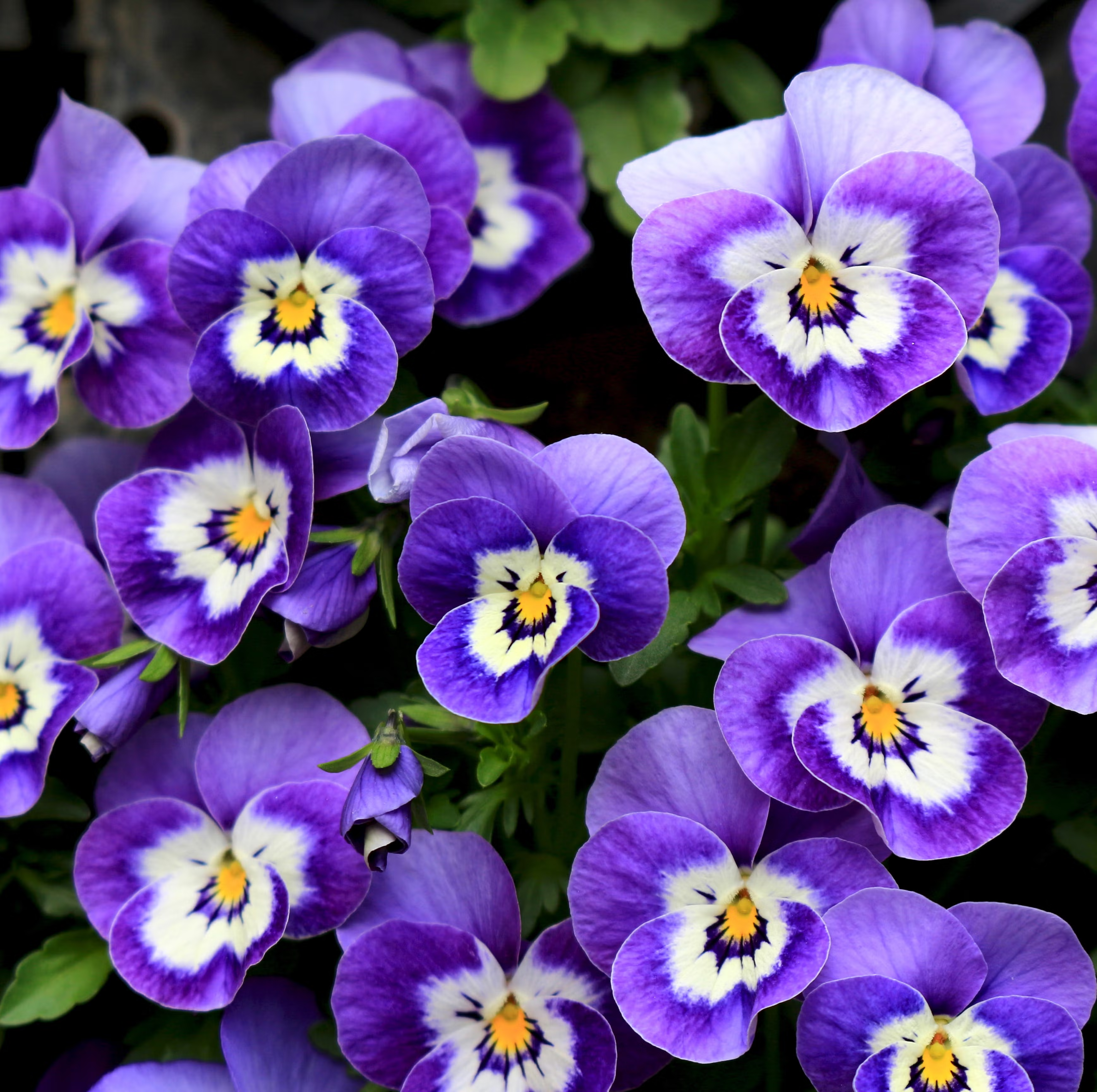
Pansy are one of the most reliable winter-blooming flowers. They thrive in cool temperatures and tolerate light frost with ease. Their vibrant shades—purple, yellow, white, orange, and even bi-colored varieties—instantly brighten garden beds and containers.
Pansies prefer well-draining soil and partial to full sunlight. Regular deadheading encourages continuous blooms.
Why plant in January?
They perform best in cool weather and often bloom more vigorously before the heat of spring arrives.
2. Calendula – Golden Winter Glow
Calendula, also known as pot marigold, produces cheerful yellow and orange blossoms that shine during colder months. Unlike traditional marigolds, calendula tolerates cool weather exceptionally well.
It grows quickly from seed and adapts beautifully to garden beds and containers.
Why plant in January?
In mild climates, calendula establishes quickly and blooms early, providing weeks of golden color.
Bonus: Calendula flowers are edible and often used in herbal remedies and teas.
3. Sweet Peas – Fragrant Climbers
Sweet pea are known for their delicate blooms and sweet fragrance. January is an ideal time to sow sweet pea seeds in many regions because they prefer cool soil during early growth.
Plant them near trellises, fences, or garden supports, as they love to climb.
Why plant in January?
Starting early allows the roots to establish before warmer temperatures arrive, resulting in stronger vines and more abundant spring flowers.
4. Dianthus – Subtle but Stunning
Dianthus includes varieties like carnations and pinks, known for their frilled petals and spicy fragrance. Dianthus thrives in cool weather and provides shades of pink, red, white, and purple.
They are excellent for borders, rock gardens, and containers.
Why plant in January?
Cool temperatures encourage compact growth and early blooms.
5. Primroses – Early Spring Promise
Primrose bring soft yet vibrant color to winter gardens. Their blossoms range from pale yellow to deep magenta and blue.
Primroses prefer partial shade and moist, well-draining soil.
Why plant in January?
They bloom early and bridge the gap between winter and spring, keeping your garden lively during transitional weeks.
6. Snapdragons – Cool-Season Spikes
Snapdragon tolerate cool temperatures and can even handle light frost. Their tall flower spikes add vertical interest and come in a wide range of colors.
Plant snapdragons in sunny spots for best results.
Why plant in January?
In moderate climates, they establish early and bloom beautifully before intense heat sets in.
7. Ornamental Cabbage and Kale – Foliage Color
Ornamental kale add dramatic texture and color with their ruffled leaves in shades of purple, pink, and green.
Unlike flowering plants, their color intensifies in colder temperatures.
Why plant in January?
They thrive in winter conditions and maintain vibrant foliage when other plants struggle.
Shrubs That Add January Interest
Flowers aren’t the only way to add color. Winter-flowering shrubs create long-lasting impact.
Camellias
Camellia bloom in shades of red, pink, and white during winter months. Their glossy evergreen leaves provide year-round structure.
Winter Jasmine
Winter jasmine produces bright yellow flowers on arching stems, often blooming even before leaves appear.
Both shrubs perform well when planted in January in mild climates.
Tips for Successful January Planting
Winter planting requires some adjustments. Here are simple ways to ensure success:
1. Check Your Climate Zone
Mild regions allow direct planting outdoors, while colder zones may require containers or protective coverings.
2. Improve Soil Drainage
Cold, wet soil can cause root rot. Amend heavy soil with compost to improve drainage.
3. Water Carefully
Plants need less water in winter. Overwatering can be more harmful than underwatering.
4. Protect During Severe Frost
Use mulch, garden fabric, or move containers to sheltered areas if extreme cold is forecasted.
Using Containers for Instant Color
If garden beds are frozen or too wet, containers are your best friend. Pots allow flexibility—you can reposition them to maximize sunlight or move them indoors temporarily.
Combine pansies, ornamental kale, and snapdragons in one container for layered color and texture. Add trailing ivy for a cascading effect.
Containers also make it easier to refresh displays as seasons change.
Designing a Colorful January Garden
To create a visually balanced winter garden:
- Mix bold colors (orange calendula) with soft tones (pastel primrose).
- Combine flowering plants with textured foliage like ornamental kale.
- Add evergreen shrubs for structure.
- Use vertical elements like sweet peas and snapdragons.
Layering height and color keeps the garden interesting even during quieter months.
Why January Gardening Is Worth It
Planting in January gives you a head start on the growing season. While others wait for spring, your garden already bursts with life.
Winter gardening also offers:
- Fewer pests
- Less competition for nursery plants
- Cooler working conditions
- Early pollinator support when flowers bloom
Most importantly, tending plants during winter provides mental refreshment and connection to nature.
Final Thoughts
January doesn’t have to mean a dull garden. With pansies, calendula, sweet peas, dianthus, primroses, snapdragons, and ornamental kale, you can create a vibrant display even in cooler temperatures.
Add winter-blooming shrubs like camellias and winter jasmine for long-lasting structure and color. With thoughtful planting and a little protection from severe frost, your garden can look lively and beautiful all winter long.
So instead of waiting for spring, embrace January as an opportunity. Plant boldly, design creatively, and let your garden shine beautifully—even in the heart of winter.