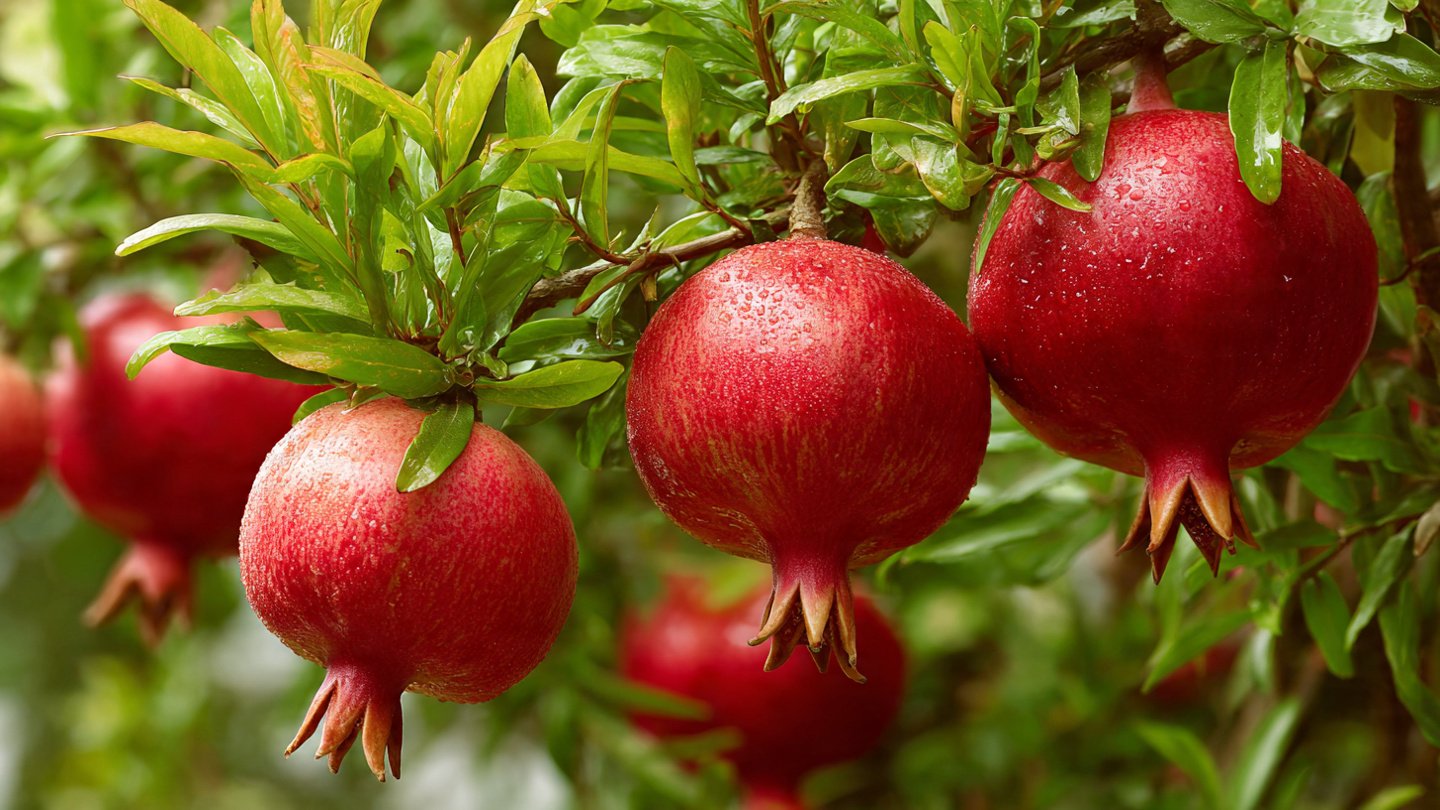
Pomegranates are often celebrated for their vibrant ruby-red seeds, tangy-sweet flavor, and numerous health benefits. Rich in antioxidants, vitamin C, and anti-inflammatory compounds, this superfruit has earned a special place in kitchens, health-conscious diets, and home gardens alike. While most people associate pomegranates with outdoor orchards and Mediterranean climates, growing a pomegranate tree indoors is entirely possible—with the right care, attention, and environment.
Indoor pomegranate cultivation is ideal for those living in regions with cold winters, limited outdoor space, or simply a desire to have fresh fruit year-round. This guide will walk you through everything you need to know to grow a healthy, productive pomegranate tree inside your home.
🌱 Understanding the Pomegranate Tree
The scientific name of the pomegranate is Punica granatum, belonging to the family Lythraceae. Native to the region extending from Iran to northern India, pomegranates have been cultivated for thousands of years. They thrive in warm climates with plenty of sunlight, well-draining soil, and moderate water.
Indoor cultivation requires adapting the tree to slightly different conditions, but with careful planning, you can create an environment that mimics its natural habitat.
Key characteristics of pomegranate trees:
- Medium-sized shrubs or small trees, typically 12–20 feet tall outdoors
- Glossy, narrow leaves and vibrant orange-red flowers
- Round fruits filled with edible seeds (arils)
- Slow-growing but long-lived plants
🏠 Choosing the Right Container
The container you select is one of the most critical factors for successful indoor growth. Pomegranate trees develop deep roots, so a deep, sturdy pot is essential.
- Size: Start with a container at least 12–16 inches in diameter and depth. You can later repot into larger containers as the tree grows.
- Drainage: Ensure your pot has multiple drainage holes to prevent waterlogging. Pomegranates dislike standing water, which can lead to root rot.
- Material: Terracotta or ceramic pots are ideal because they are heavy, stable, and provide good airflow to the roots.
Adding a layer of gravel or broken pottery at the bottom of the pot can further enhance drainage and prevent water accumulation.
🌞 Ideal Light Conditions
Pomegranates require full sunlight to thrive and produce flowers and fruit. Indoors, this translates to:
- Placing the tree near a south-facing window to receive at least 6–8 hours of direct sunlight daily
- Supplementing with grow lights if natural sunlight is insufficient, especially during winter months
Without enough light, indoor pomegranates may produce abundant leaves but few flowers or fruits. Rotating the pot occasionally ensures even light exposure for all branches.
🌿 Choosing the Right Variety
Not all pomegranate varieties are equally suited for indoor cultivation. Dwarf or compact cultivars are ideal because they require less space and are easier to manage.
Some recommended indoor-friendly varieties include:
- ‘Parfianka’ – Sweet, juicy fruit with high aril quality
- ‘Nana’ – A dwarf ornamental variety, suitable for small spaces
- ‘Angel Red’ – Produces bright red arils and compact growth
Selecting a suitable variety ensures the tree remains manageable and productive in an indoor setting.
🪴 Soil and Planting
Pomegranates prefer slightly acidic to neutral soil (pH 5.5–7.0) that is well-draining and fertile.
- A mix of potting soil, perlite, and sand works well
- Avoid heavy clay soils that retain too much water
- Adding compost or organic matter enriches the soil and encourages healthy root development
When planting, bury the tree slightly deeper than it was in its nursery pot, and gently firm the soil around the roots. Water thoroughly after planting to settle the soil.
💧 Watering Guidelines
While pomegranates are moderately drought-tolerant, indoor trees require consistent but moderate watering:
- Water thoroughly when the top inch of soil feels dry
- Reduce watering during winter when the tree is semi-dormant
- Avoid letting the pot sit in water to prevent root rot
Mulching the soil surface with bark chips or organic mulch helps retain moisture and maintains soil temperature.
🌸 Encouraging Flowers and Fruit Indoors
Flowering is essential for fruit production. Indoor pomegranates need specific conditions to bloom:
- Sunlight: At least 6–8 hours of direct light per day
- Temperature: Pomegranates prefer warm days (70–85°F) and cooler nights (60–65°F)
- Pruning: Regular pruning stimulates new growth and encourages flower buds
- Fertilization: Use a balanced fertilizer rich in potassium and phosphorus to promote flowering and fruit set
Note: Indoor trees may take 2–3 years to start producing fruit, so patience is key.
✂️ Pruning and Maintenance
Pruning is essential for maintaining the tree’s shape and health:
- Remove dead or crossing branches to improve airflow
- Cut back long, leggy growth to encourage branching
- Shape the tree to a manageable size suitable for indoor space
Pruning also helps the tree focus energy on flowering and fruit production rather than excessive vegetative growth.
🐛 Pest and Disease Management
Indoor pomegranate trees are generally less prone to pests than outdoor ones, but vigilance is still important:
- Common pests: Aphids, mealybugs, and scale insects
- Prevention: Inspect leaves regularly, and wipe foliage with a damp cloth or mild insecticidal soap
- Diseases: Root rot can occur if overwatered; fungal leaf spots may appear in high humidity
Healthy cultural practices, such as proper watering, sunlight, and airflow, prevent most problems.
🌡️ Temperature and Humidity
Pomegranates thrive in temperate conditions:
- Ideal daytime temperatures: 70–85°F
- Ideal nighttime temperatures: 60–65°F
- Moderate humidity is sufficient; avoid overly humid or stagnant indoor environments
During winter, placing the tree away from cold drafts or heating vents helps prevent stress.
🏆 Harvesting Your Indoor Pomegranate
Indoor pomegranates produce smaller, but still flavorful, fruits compared to outdoor trees. Signs that the fruit is ready for harvest:
- Bright, uniform color on the peel
- Slightly heavy feel for its size
- Rind that is firm but not rock hard
Cut fruits carefully with pruning shears to avoid damaging branches.
🌟 Additional Tips for Success
- Rotate the pot periodically to ensure even light exposure
- Consider companion planting with herbs or flowers that thrive indoors
- Use a humidity tray during dry winter months to maintain moderate moisture levels
- Be patient; indoor pomegranate trees reward care and consistency with multiple seasons of fruit
With proper care, your indoor pomegranate tree can be a beautiful ornamental plant, a source of fresh fruit, and a conversation starter.
✅ Conclusion
Growing a pomegranate tree indoors is a fulfilling endeavor that combines aesthetics, health benefits, and the joy of home gardening. By understanding its needs — from light, water, soil, and pruning to pest management and fertilization — anyone can cultivate a healthy, productive indoor tree.
While the process requires patience and attention to detail, the reward of tasting fresh, homegrown pomegranate arils right from your living room is unmatched. With the right environment, the Punica granatum can thrive indoors, transforming any home into a small urban orchard.