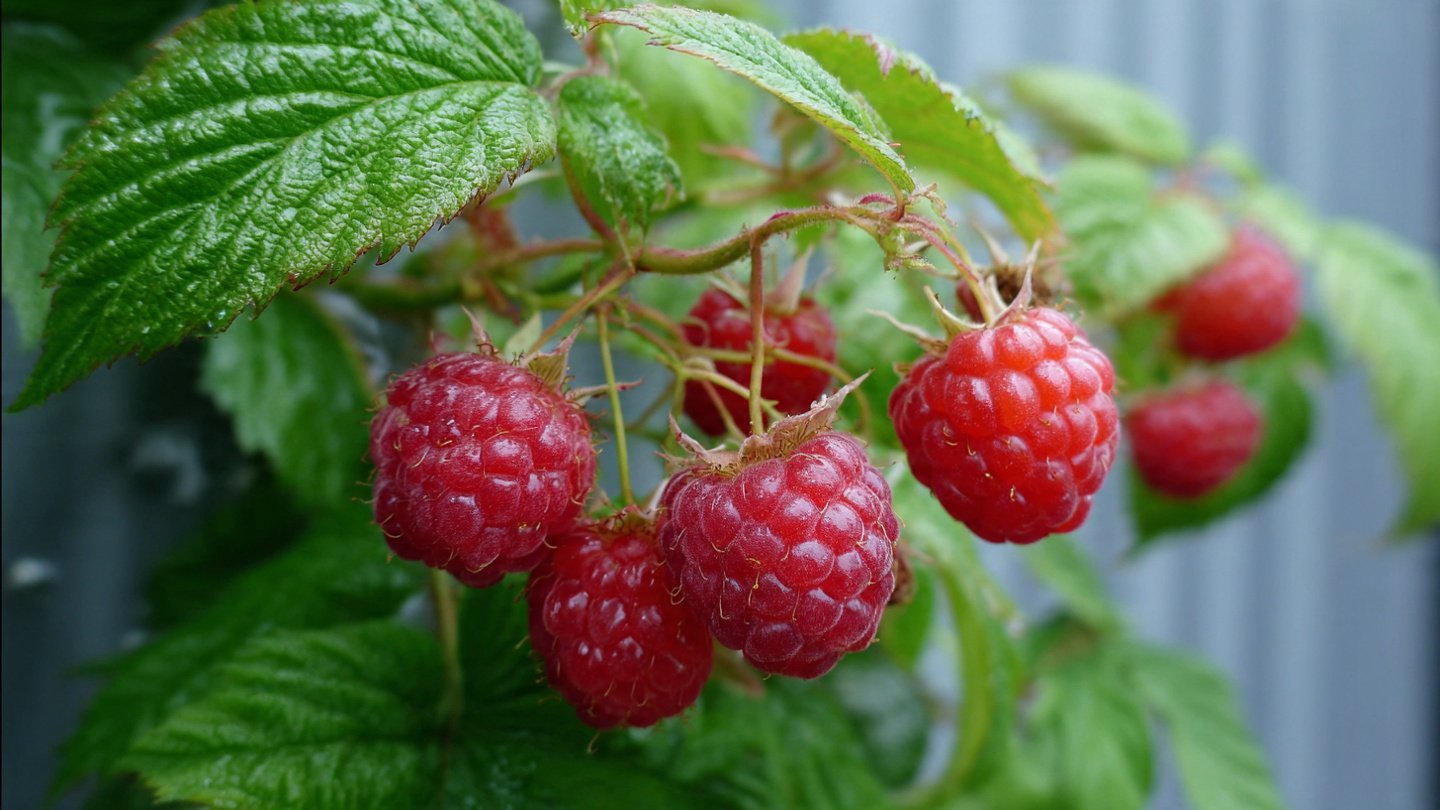
Raspberries are one of the most delicious and nutritious fruits you can grow at home. Sweet, tangy, and packed with vitamins, antioxidants, and fiber, they are perfect for desserts, smoothies, or fresh snacking. While many assume that raspberries require a large garden space, the truth is you can grow them successfully on a balcony—even in small urban apartments.
With careful planning, the right containers, and proper care, urban gardeners can enjoy a bountiful raspberry harvest year after year. This comprehensive guide will walk you through easy steps for growing raspberries on your balcony, from selecting the right variety to harvesting ripe, juicy fruits.
Why Grow Raspberries on Your Balcony
Balcony raspberry gardening offers several advantages:
- Freshness: Picking your own berries ensures maximum flavor and nutrition.
- Accessibility: You can harvest fruit easily without leaving your home.
- Space-efficient: Even small balconies can accommodate raspberry plants in containers.
- Pesticide-free: Homegrown raspberries are naturally safer and healthier.
- Therapeutic gardening: Caring for plants brings relaxation and a sense of accomplishment.
By growing raspberries on your balcony, you combine convenience, sustainability, and the joy of gardening in limited spaces.
Choosing the Right Raspberry Variety
Raspberries are available in several types, and selecting the right one is crucial for success in containers:
- Summer-bearing varieties: Produce fruit once a year, usually in late spring or summer.
- Ever-bearing (or fall-bearing) varieties: Yield fruit twice a year—once in summer and again in fall.
- Compact or dwarf varieties: Ideal for balcony gardening and container planting.
- Disease-resistant varieties: Reduce maintenance and improve overall yield.
For balcony growers, dwarf or compact ever-bearing raspberries are ideal because they produce multiple harvests and require less space.
Selecting Containers for Balcony Raspberries
Raspberries grow well in containers if the pot is large enough to support their root system:
- Use pots at least 12–16 inches in diameter and depth.
- Ensure multiple drainage holes to prevent waterlogging.
- Consider lightweight plastic, fabric grow bags, or terracotta pots with saucers to catch excess water.
Larger containers allow stronger root development and higher fruit production. Multiple pots can also be used to stagger plant placement and maximize space.
Preparing the Soil
Raspberries require nutrient-rich, well-draining soil for optimal growth:
- Use a mixture of garden soil, compost, and cocopeat or perlite for aeration.
- Maintain a slightly acidic to neutral pH (6.0–7.0).
- Avoid heavy clay soil that retains too much water.
Healthy, fertile soil ensures rapid growth, robust foliage, and a plentiful fruit set. Adding compost during planting and periodically thereafter provides essential nutrients for continuous harvesting.
Planting Raspberries on Your Balcony
Whether using bare-root plants or seedlings, proper planting ensures long-term success:
- Fill the container with prepared soil, leaving 2–3 inches from the rim.
- Plant raspberry seedlings, ensuring the crown is at soil level.
- Space multiple plants 12–18 inches apart for adequate airflow and growth.
- Water immediately after planting to settle the soil.
- Add a layer of mulch to retain moisture and suppress weeds.
Raspberry roots are shallow but vigorous, so containers should allow room for spreading and anchoring.
Providing Sunlight
Raspberries need adequate sunlight to produce sweet, juicy fruits:
- Provide 6–8 hours of direct sunlight daily.
- Position containers on sunny balconies or near bright windows.
- Rotate containers periodically to ensure even growth.
Insufficient sunlight reduces flowering and fruit set, while too much harsh afternoon sun can scorch leaves. Adjust positioning based on local climate and season.
Watering Raspberries
Consistent moisture is critical for fruit development:
- Water deeply 2–3 times per week, more frequently in hot weather.
- Keep soil evenly moist but not waterlogged.
- Mulch the surface to retain soil moisture and moderate temperature.
Regular watering supports continuous flowering and healthy fruit development, while preventing stress that can cause fruit drop or poor quality.
Fertilization
Raspberries are heavy feeders, especially in containers:
- Apply organic compost or well-rotted manure every 2–3 weeks during the growing season.
- Use a balanced liquid fertilizer for faster absorption.
- Avoid excessive nitrogen, which encourages leaf growth at the expense of fruit.
Proper feeding ensures strong stems, abundant flowers, and larger, sweeter berries.
Supporting Raspberry Canes
Even in containers, raspberries benefit from support systems:
- Use stakes, trellises, or bamboo poles to hold upright canes.
- Tie canes loosely with soft twine or plant clips.
- Trim lateral shoots to maintain airflow and ease harvesting.
Support prevents canes from bending or breaking under the weight of fruits and promotes healthy plant structure.
Pruning for Maximum Yield
Pruning is essential for container-grown raspberries:
- Summer-bearing varieties: Prune after harvest to remove old canes.
- Ever-bearing varieties: Prune lightly in winter, leaving strong canes for the next cycle.
- Remove dead, damaged, or weak stems to encourage new growth.
- Thin overcrowded canes for better light penetration and air circulation.
Proper pruning leads to stronger plants, larger fruits, and extended productivity.
Flowering and Fruit Development
Raspberry plants produce small white flowers before fruiting. For successful berry development:
- Ensure proper sunlight, watering, and fertilization.
- Hand-pollinate flowers if pollinator activity is low, especially on balconies.
- Protect flowers and young fruits from pests like aphids or birds using nets or organic sprays.
With consistent care, your raspberry plants will produce delicious fruits in about 8–12 weeks, depending on variety.
Harvesting Raspberries
Raspberries are ready for harvest when fully colored, firm but tender, and easily detachable from the stem:
- Pick fruit gently to avoid crushing.
- Harvest regularly to encourage continuous production.
- Avoid leaving overripe berries on the plant, which can attract pests or diseases.
Frequent harvesting promotes new flowering and extends the fruiting season for a continuous supply.
Tips for Successful Balcony Raspberry Gardening
- Choose dwarf or compact, disease-resistant varieties.
- Use large, well-draining containers with quality soil.
- Provide adequate sunlight for 6–8 hours daily.
- Maintain consistent watering and mulch for moisture retention.
- Fertilize regularly with compost or balanced liquid fertilizers.
- Support canes with trellises or stakes to prevent breakage.
- Prune dead or weak canes to encourage new growth.
- Harvest ripe fruits frequently for continuous production.
With these practices, urban gardeners can enjoy healthy, abundant raspberries despite limited space.
Final Thoughts
Growing raspberries on your balcony is not only possible but highly rewarding. By selecting the right variety, preparing containers and soil carefully, providing sunlight and water, and following proper pruning and harvesting techniques, even small urban spaces can yield sweet, juicy fruits.
Balcony raspberry gardening combines convenience, sustainability, and the pleasure of homegrown food. With consistent care and attention, you can enjoy fresh, flavorful berries throughout the season, bringing a taste of nature right into your urban living space.