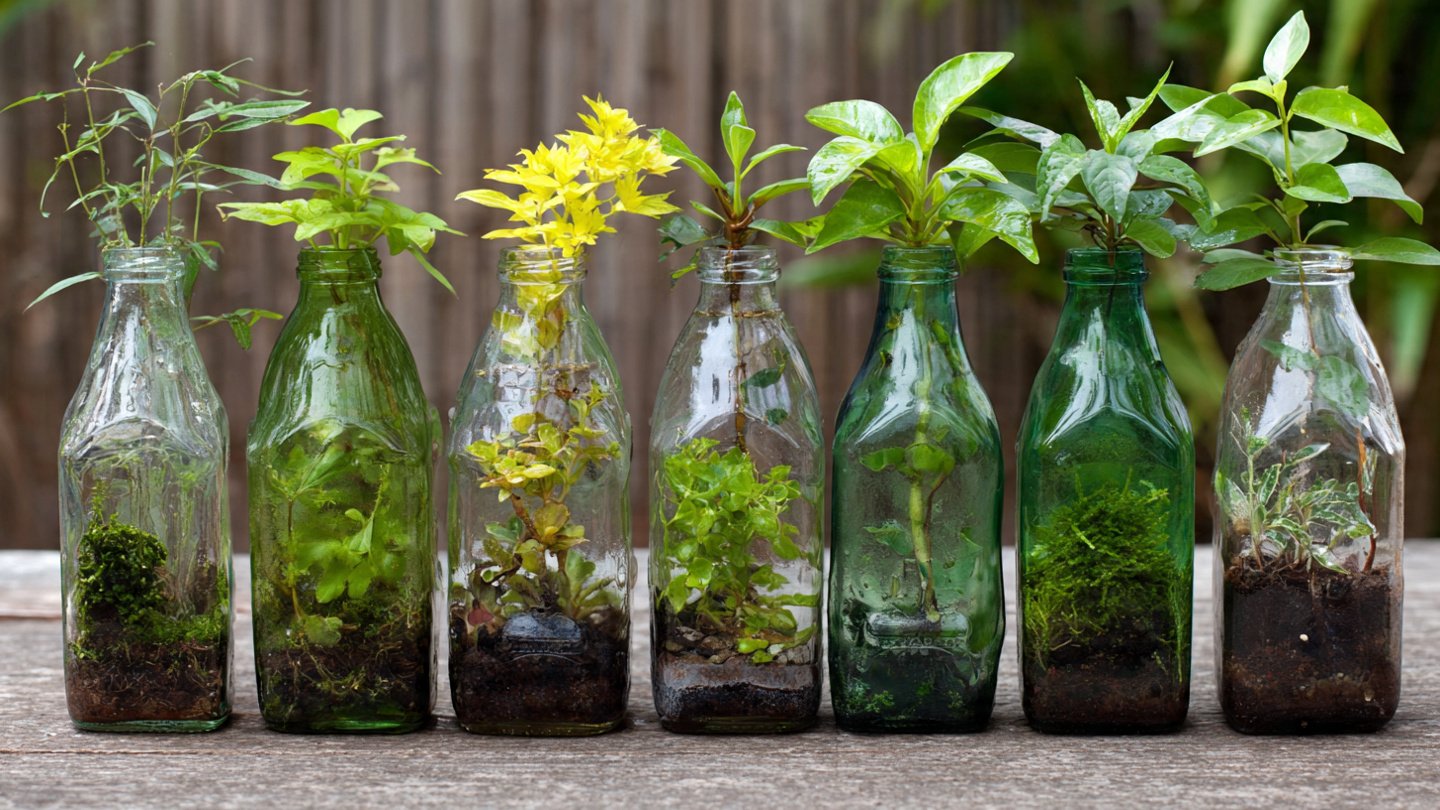
In a world where space is often limited, whether in urban apartments or small homes, gardening can seem like a luxury reserved for those with backyards or large balconies. Yet, the charm and therapeutic benefits of nurturing plants can now be brought indoors, thanks to a simple and creative idea: growing plants in bottles. Bottle gardening not only allows you to cultivate greenery in confined spaces but also offers an eco-friendly way to reuse materials, add aesthetic appeal to your home, and even experiment with miniature ecosystems. This article explores the concept, benefits, and practical ideas for DIY bottle gardening that you can start today.
Why Choose Bottle Gardening?
Bottle gardening, also known as container or terrarium gardening, involves growing plants in glass or plastic bottles, jars, or containers. This approach comes with multiple benefits:
- Space Efficiency: For those living in apartments or urban environments, bottle gardens provide a way to grow plants without taking up floor space. Bottles can be placed on shelves, windowsills, or even hung from the ceiling.
- Eco-Friendly Practice: Reusing bottles reduces waste and gives new life to materials that would otherwise be discarded. It’s a creative form of recycling that benefits both your living space and the environment.
- Low Maintenance: Many bottle gardens, especially closed terrariums, create self-sustaining micro-environments. This reduces the need for frequent watering and maintenance, making them perfect for busy individuals.
- Aesthetic Appeal: A carefully curated bottle garden can become a striking decorative piece. The transparency of bottles allows you to showcase layers of soil, sand, stones, and moss, creating miniature landscapes that are visually captivating.
- Therapeutic Value: Gardening, even on a small scale, is known to reduce stress, improve mood, and enhance focus. Bottle gardening offers a convenient way to enjoy these benefits indoors.
Types of Bottle Gardens
Bottle gardens can take several forms, depending on your space, the plants you choose, and how much maintenance you want to commit to. Here are some popular types:
1. Open Bottle Gardens
These are simple, open-top containers where plants are exposed to air. Open bottles are ideal for plants that require good airflow and do not thrive in high humidity, such as succulents and cacti. You can use plastic soda bottles, glass jars, or even old wine bottles for this purpose.
2. Closed Bottle Gardens (Terrariums)
A closed bottle garden acts as a miniature greenhouse. When you seal a bottle, it retains moisture, creating a self-sustaining environment that recycles water through condensation. Ferns, mosses, and tropical plants flourish in this humid setup. Make sure to occasionally open the bottle for ventilation to prevent mold growth.
3. Hanging Bottle Gardens
If you’re short on counter or shelf space, hanging bottles are a clever solution. By cutting the sides of plastic bottles or drilling holes for hanging ropes, you can suspend your miniature gardens at eye level. This method works well with trailing plants like ivy or small herbs like thyme.
4. Hydroponic Bottle Gardens
Hydroponic gardening involves growing plants in water rather than soil. Clear bottles are perfect for this because they allow you to monitor root development. Plants like mint, basil, or pothos thrive in hydroponic bottle gardens.
DIY Bottle Gardening Ideas
Bottle gardening is not only practical but also fun. With a little creativity, you can turn ordinary bottles into striking green installations. Here are some DIY ideas:
1. Succulent Bottle Garden
Succulents are low-maintenance and come in diverse shapes and colors, making them ideal for bottle gardens. To create a succulent bottle garden:
- Choose a wide-mouthed bottle for easy planting.
- Add a layer of small stones for drainage.
- Follow with a layer of cactus soil.
- Arrange your succulents and add decorative elements like colored sand or tiny figurines.
Succulents require minimal water, so your bottle garden will remain vibrant with little effort.
2. Mini Herb Garden in Bottles
Growing herbs in bottles is practical and rewarding. Herbs like basil, parsley, and cilantro not only purify the air but are also readily available for cooking. To make a herb bottle garden:
- Use a medium-sized bottle or jar.
- Ensure proper drainage by adding small pebbles at the bottom.
- Fill with nutrient-rich soil.
- Plant your herb seeds or seedlings.
- Place the bottle near a sunny window for at least six hours of light daily.
This setup allows you to harvest fresh herbs without needing a full garden.
3. Moss Terrarium
Moss is perfect for closed bottle gardens. It thrives in high humidity and low light, making it low-maintenance. Here’s how to make a moss bottle garden:
- Choose a clear glass bottle with a wide opening.
- Add a base layer of pebbles or activated charcoal to prevent odor and fungus.
- Add a layer of soil.
- Place moss carefully on top and lightly mist it with water.
- Close the bottle to create a self-sustaining environment.
Moss terrariums can last for months with minimal care and add a lush, green aesthetic to any space.
4. Layered Bottle Garden
Creating a layered bottle garden is a visually striking way to showcase your plant arrangement. Use different colors and textures of soil, sand, stones, and decorative materials. Alternate layers and plant small flowers or succulents to create a miniature landscape inside the bottle. Layered gardens can also help with drainage and prevent soil compaction.
5. Air Plant Bottle Garden
Air plants (Tillandsia) are epiphytes, meaning they absorb nutrients and moisture from the air rather than soil. They are perfect for hanging bottle gardens. Place the air plants in a clear bottle with decorative sand or stones, and hang them with twine or wire. Mist the plants occasionally to keep them healthy.
Tips for Successful Bottle Gardening
- Choose the Right Bottle: Wide-mouthed bottles are easier to work with, but narrow bottles can be used for hydroponics or hanging designs. Ensure the bottle is clean to prevent bacterial growth.
- Layer Properly: For soil-based gardens, proper layering is crucial. A base of pebbles or activated charcoal ensures drainage and prevents waterlogging, which is particularly important in closed bottles.
- Monitor Watering: Overwatering is a common mistake in bottle gardening. Closed bottles require very little water, while open bottles, especially with succulents, need infrequent watering.
- Light Requirements: Place your bottle garden in a location with appropriate light for the plants you’ve chosen. Most indoor plants thrive in indirect sunlight.
- Maintain Humidity: Closed bottle gardens need occasional ventilation to prevent mold, while open gardens might require more frequent watering in dry indoor environments.
- Use Decorative Elements: Enhance the aesthetic appeal of your bottle garden with moss, pebbles, colored sand, tiny figurines, or shells. These elements not only make your garden attractive but can also help with moisture retention in some cases.
Fun Experiments with Bottle Gardening
Bottle gardens provide an opportunity for creativity and experimentation. You can try:
- Mini Desert Garden: Combine sand, small cacti, and pebbles to create a desert landscape.
- Rainforest in a Bottle: Use ferns, moss, and small tropical plants to mimic a rainforest ecosystem.
- Seasonal Themes: Decorate the bottle garden according to the season, such as adding autumn-colored leaves, winter pinecones, or spring flowers.
These experiments not only enhance your indoor environment but also serve as educational tools for children and adults interested in ecology, plant growth, and sustainable gardening.
Common Mistakes to Avoid
- Choosing the Wrong Plants: Not all plants thrive in confined spaces. Choose plants that are compatible with bottle gardening conditions.
- Overcrowding: Give your plants enough space to grow. Overcrowding can lead to competition for nutrients and light.
- Neglecting Light Needs: Ensure your plants get the right amount of light; too much direct sunlight can overheat the bottle, while too little can stunt growth.
- Ignoring Drainage: Proper drainage is critical, especially for soil-based gardens, to prevent root rot.
Conclusion
Bottle gardening is an accessible, creative, and eco-friendly way to bring nature indoors. Whether you’re a beginner looking for a simple succulent garden, a cooking enthusiast wanting fresh herbs, or a plant lover experimenting with terrariums, bottles provide a versatile canvas for your green thumb. Beyond aesthetics, bottle gardening also promotes mindfulness, reduces stress, and encourages sustainable living by reusing materials.
With a little creativity, patience, and care, you can transform ordinary bottles into thriving miniature ecosystems that enhance your home’s ambiance and offer the joy of gardening year-round. So grab some bottles, choose your favorite plants, and start your DIY bottle garden journey today—you might be surprised at how much life can flourish in such a small space.