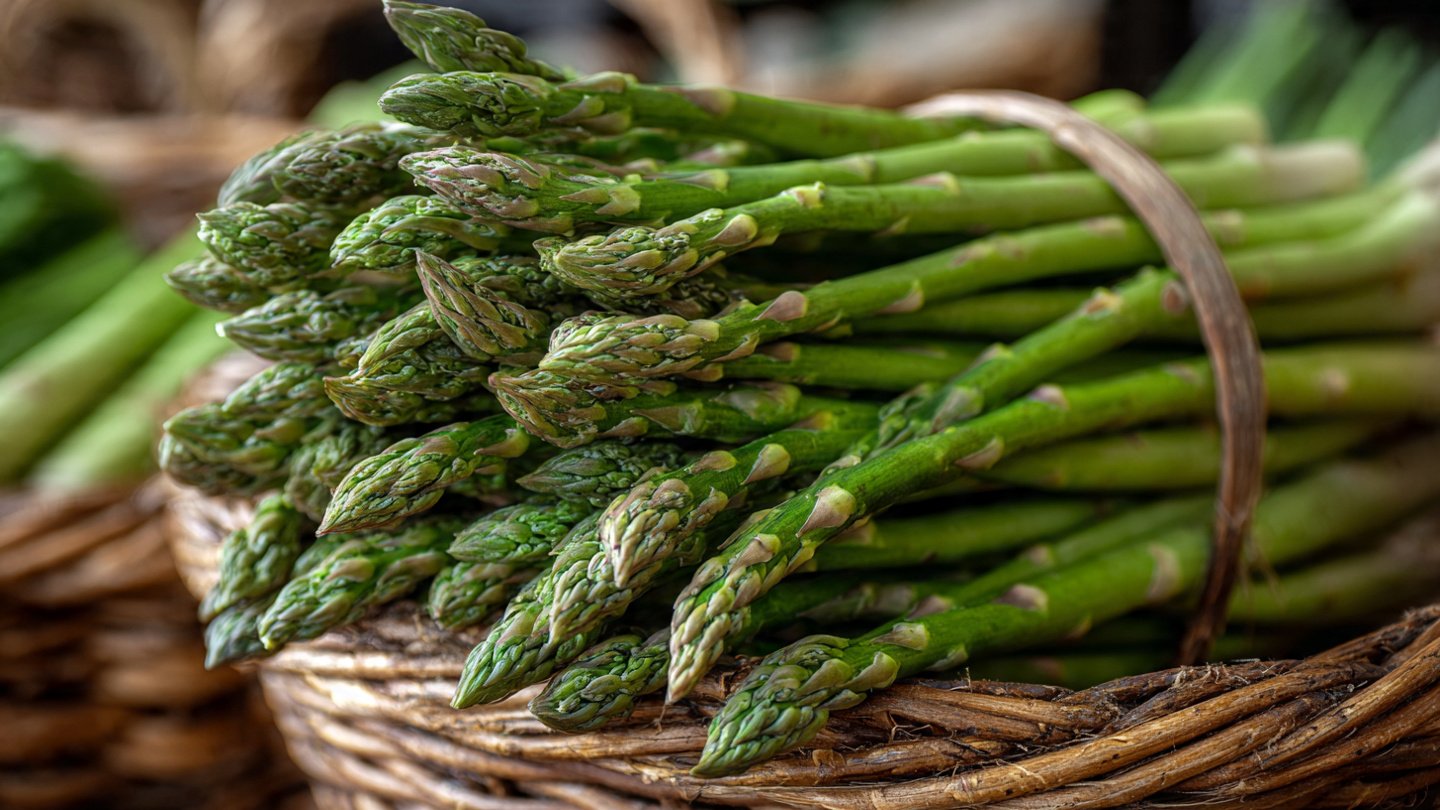
Asparagus is one of the most rewarding vegetables to grow at home. Tender, flavorful, and packed with nutrients, fresh asparagus can transform any meal. While often considered a long-term crop, modern techniques and careful planning make it possible to grow asparagus that is productive, efficient, and faster to harvest than many people realize.
In this guide, we’ll walk you through choosing the right variety, preparing soil, planting, caring for asparagus, and maximizing your harvest at home.
Why Grow Asparagus at Home?
Homegrown asparagus offers several advantages over store-bought:
- Freshness: Harvested just before serving, asparagus retains its flavor and nutrients.
- Cost-effective: A small patch can produce pounds of asparagus each spring.
- Pesticide-free: You control what goes into your soil and plants.
- Long-term investment: Once established, an asparagus bed can produce for 15–20 years.
With proper planning, even beginners can achieve a fast, productive harvest.
Choosing the Right Asparagus Variety
Selecting the right variety is essential for maximum yield and early harvest.
Popular choices for home gardens include:
- ‘Jersey Knight’: Cold-hardy, high yield, fast-growing
- ‘Mary Washington’: Traditional favorite, tender spears
- ‘UC 157’: Early maturing, disease-resistant
- ‘Purple Passion’: Unique color, tender flavor
When choosing, consider climate, soil type, and harvest speed. Some hybrid varieties produce faster than traditional ones, allowing a quicker return on your effort.
Preparing the Soil for Maximum Production
Asparagus thrives in deep, well-draining soil rich in organic matter.
Steps to prepare:
- Choose a sunny location (at least 6–8 hours of sun).
- Test soil pH; ideal is 6.5–7.5.
- Remove weeds, rocks, and debris.
- Dig trenches about 12–18 inches wide and 8–12 inches deep.
- Mix in compost or well-rotted manure to enrich the soil.
Well-prepared soil ensures strong roots, vigorous growth, and faster harvests.
Planting Asparagus Crowns
Asparagus can be grown from seeds or crowns, but crowns are faster for harvest.
Planting steps for crowns:
- Dig a trench 6–8 inches deep.
- Place crowns 12–18 inches apart in the trench.
- Spread roots gently over soil.
- Cover crowns with 2 inches of soil initially.
- Gradually fill in the trench as plants grow, leaving the top level with the ground.
Crowns generally establish faster than seeds, allowing harvest in 1–2 years rather than waiting 3 years.
Watering and Fertilizing for Fast Growth
Consistent moisture is crucial for productive asparagus.
Watering:
- Keep soil evenly moist during the first growing season.
- Avoid overwatering; asparagus roots rot in waterlogged soil.
Fertilizing:
- Apply balanced fertilizer (10-10-10) in early spring before spears emerge.
- Mulch with compost to conserve moisture and feed plants naturally.
- Side-dress with nitrogen fertilizer after harvest to boost next year’s growth.
Proper care encourages larger spears and more efficient production.
Mulching and Weed Control
Weeds compete for nutrients and slow asparagus growth.
Tips for weed management:
- Use organic mulch like straw, grass clippings, or shredded leaves.
- Keep mulch 2–3 inches thick to retain moisture.
- Hand-remove weeds early, especially in the first 2–3 years.
Mulching also keeps soil temperature steady, encouraging faster spear emergence.
Fast Harvest Techniques
Most people think asparagus takes years to produce, but with the right approach, you can enjoy a partial harvest sooner.
Early harvest tips:
- Plant crowns in early spring for quicker growth.
- Harvest only 1–2 weeks per plant in the first year.
- Use a sharp knife to cut spears at ground level.
- Stop harvesting once spears reach 6–8 inches or the first fern appears.
Following these steps protects the crowns while still providing tasty asparagus.
Caring for Asparagus After Harvest
After harvest, asparagus plants need care to remain productive:
- Allow ferns to grow fully—they feed the roots for next year.
- Cut back ferns in late fall after they turn brown.
- Mulch again to protect crowns over winter.
- Monitor for pests like asparagus beetles and aphids; handpick or use organic sprays.
Healthy, well-cared-for plants produce high yields year after year.
Common Problems and Solutions
Even productive asparagus beds can face challenges.
Yellowing or weak spears: Usually nutrient deficiency; side-dress with fertilizer.
Asparagus beetles: Remove by hand or use neem oil.
Slow growth: Could be due to poor soil preparation or crowded crowns.
Fungal issues: Ensure proper spacing and drainage to prevent root rot.
Early attention to problems keeps your garden productive and efficient.
Maximizing Yield in Small Spaces
Even small gardens can produce plenty of asparagus:
- Use raised beds or containers with at least 12 inches depth.
- Plant crowns 12–18 inches apart in rows or staggered patterns.
- Rotate harvesting across rows to prolong overall yield.
- Interplant with fast-growing vegetables for efficient space use.
These techniques ensure a high-yield, productive garden even in limited space.
Why Asparagus Is Worth the Investment
Once established, asparagus provides:
- Consistent spring harvests for decades
- Nutrient-rich, flavorful spears
- Minimal maintenance after the first few years
- Excellent companion planting with tomatoes, parsley, or basil
It’s one of the few perennial vegetables that truly rewards patience and planning.
Final Thoughts
Growing asparagus at home is not only satisfying but also surprisingly productive with the right methods. By selecting fast-growing crowns, preparing nutrient-rich soil, and carefully managing watering and harvesting, you can enjoy high yields efficiently. Even beginners can achieve a productive asparagus patch within 1–2 years, and with proper care, it will continue producing delicious spears for many years to come.
Investing in a few crowns, following efficient planting and care techniques, and understanding how to harvest correctly can turn even a small garden space into a productive asparagus paradise.