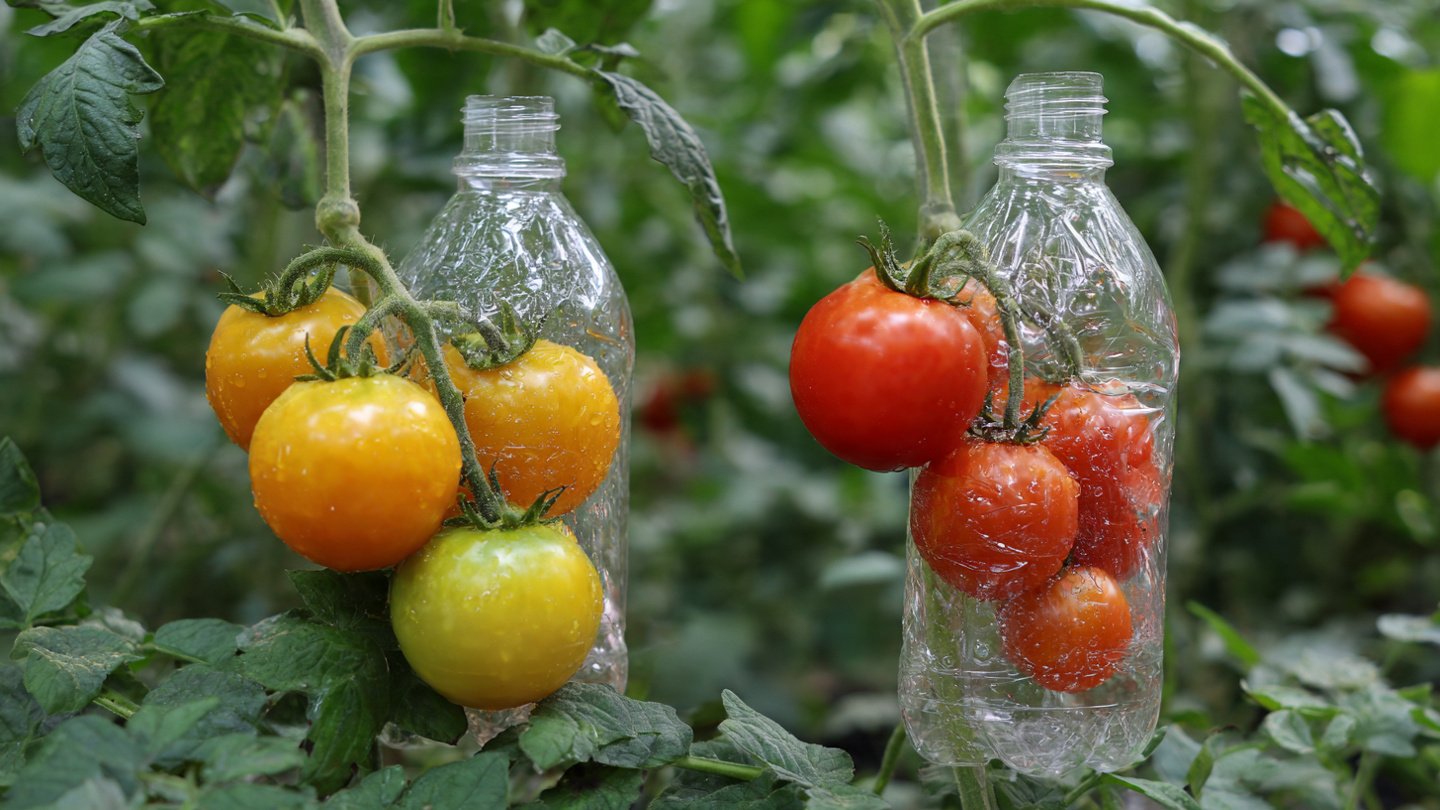
Tomatoes are one of the most beloved vegetables worldwide, celebrated for their rich flavor, versatility, and health benefits. Whether you love them in salads, sauces, or just fresh off the vine, growing your own tomatoes can be incredibly rewarding. However, many beginners shy away from gardening because of space limitations, the perceived difficulty of nurturing plants, or the fear of slow results. The good news is that there’s a simple, innovative method to grow tomatoes quickly using plastic bottles—a technique perfect for beginners, urban dwellers, or anyone looking to save space.
Why Grow Tomatoes in Plastic Bottles?
Using plastic bottles as planters is part of a growing trend in sustainable gardening. Instead of tossing out used bottles, you can repurpose them into functional, space-saving containers that give your tomatoes the care they need. This method offers several advantages:
- Space-saving: Ideal for balconies, small patios, or even kitchen windowsills.
- Cost-effective: Reuse plastic bottles instead of buying expensive pots.
- Fast growth: The bottle’s shape helps concentrate nutrients and water near the roots, promoting quicker growth.
- Beginner-friendly: Minimal soil, easy watering, and the ability to monitor root development.
- Eco-friendly: Reduces plastic waste while encouraging sustainable gardening.
With this approach, anyone—even those with no prior gardening experience—can grow tomatoes successfully.
Materials Needed
Before you start, gather the following items. Most are inexpensive or can be found around the house:
- Clean plastic bottles (2-liter soda bottles work best)
- Potting soil or a mix of soil and compost
- Tomato seeds or small seedlings
- Scissors or a craft knife
- Water
- Optional: small stones or pebbles for drainage
Having these items ready ensures a smooth, step-by-step planting process.
Step 1: Prepare the Bottle
- Clean the bottle thoroughly to remove any residues.
- Cut the bottle in half. The bottom part will serve as the main planter, while the top can act as a mini-greenhouse if inverted over seedlings.
- Create drainage holes at the bottom. Tomatoes need well-drained soil, so small holes allow excess water to escape and prevent root rot.
- If desired, add a layer of small stones at the bottom for extra drainage.
This setup ensures your tomato plant gets enough water without drowning the roots.
Step 2: Add Soil and Nutrients
Tomatoes are heavy feeders, meaning they require rich soil to grow quickly. Use a good-quality potting mix, or create your own blend by mixing garden soil with compost. Fill the bottle about three-quarters full.
- Tip: Mix in a slow-release fertilizer or organic compost to give your tomatoes a steady supply of nutrients.
- Light layer: Avoid compacting the soil too tightly. Looser soil allows roots to expand freely.
Step 3: Planting Seeds or Seedlings
If you’re using seeds:
- Plant 2–3 seeds about 1/4 inch deep.
- Cover lightly with soil and water gently.
If using seedlings:
- Dig a small hole in the soil deep enough to bury the stem up to the first set of leaves.
- Gently place the seedling and cover with soil.
- Pro tip: Tomatoes develop more roots when their stems are buried deeper, so don’t hesitate to plant seedlings slightly deeper than they were in their original container.
Step 4: Watering Correctly
Proper watering is critical for fast tomato growth. Plastic bottles are small containers, so soil can dry out quickly.
- Frequency: Water when the top inch of soil feels dry.
- Method: Pour water slowly along the base of the plant, avoiding the leaves.
- Self-watering option: You can create a small hole in the bottle cap, fill it with water, and let it drip slowly into the soil—perfect for beginners who want low-maintenance care.
Avoid overwatering, as waterlogged soil can stunt growth and cause root diseases.
Step 5: Provide Adequate Sunlight
Tomatoes are sun-loving plants. Ideally, they need 6–8 hours of direct sunlight daily.
- Indoor setup: Place bottles near a south-facing window or under a grow light.
- Outdoor setup: If you have a balcony or small garden, ensure the bottles are positioned to receive maximum sunlight.
Sunlight not only speeds up growth but also helps fruits develop their vibrant red color and sweet taste.
Step 6: Supporting Your Plants
As tomatoes grow, they become top-heavy and may topple over. Even in a small bottle, support is necessary:
- Use small stakes or bamboo sticks inserted into the bottle to keep the stem upright.
- Tie the plant gently with soft twine, allowing it to grow without restriction.
This step ensures your plant grows straight, preventing breakage and improving fruit yield.
Step 7: Pruning and Maintenance
Pruning encourages faster growth and healthier tomatoes:
- Remove suckers: Tiny shoots growing between the main stem and branches can be pinched off to focus energy on fruit development.
- Trim lower leaves: Keeps the plant clean and reduces the risk of disease.
- Monitor pests: Check for aphids, whiteflies, or fungal infections. In small bottle setups, pests are easier to spot and remove early.
Step 8: Fertilization
Tomatoes require nutrients for fast growth and fruiting.
- Frequency: Fertilize every 2–3 weeks with liquid fertilizer or compost tea.
- Type: Choose a balanced fertilizer with nitrogen, phosphorus, and potassium (NPK). For fruiting, slightly higher phosphorus can improve flower and fruit development.
Regular feeding ensures your plants stay healthy and productive.
Step 9: Harvesting
One of the most rewarding aspects of growing tomatoes is harvesting your own fresh produce.
- Timing: Depending on the variety, tomatoes may be ready in 50–70 days from planting.
- Signs: Fruits turn a rich, consistent red, feel slightly soft to the touch, and easily detach from the vine.
- Method: Use your fingers or scissors to avoid damaging the plant.
Frequent harvesting encourages the plant to produce more fruit, ensuring a steady supply throughout the season.
Tips for Faster Growth
To maximize growth in plastic bottles:
- Choose fast-growing varieties: Cherry tomatoes and determinate types tend to perform well in small containers.
- Rotate bottles: If sunlight comes from one direction, rotate bottles every few days for even growth.
- Warm environment: Tomatoes thrive in temperatures between 70–85°F (21–29°C). Use a mini-greenhouse effect by covering seedlings with the top half of the bottle.
- Mulching: A thin layer of straw or shredded leaves on top of the soil retains moisture and keeps roots cool.
Advantages for Beginners
This bottle-growing method is especially suited for beginners for several reasons:
- Easy monitoring: Clear bottles allow you to see root development.
- Controlled environment: Small bottles reduce the risk of overwatering or nutrient imbalance.
- Quick results: Concentrated nutrients and controlled soil conditions encourage faster growth than traditional garden beds.
- Fun and educational: Watching tomatoes grow in a recycled bottle teaches kids and adults alike about sustainability and gardening.
Environmental Benefits
Repurposing plastic bottles reduces waste while supporting sustainable gardening. Each bottle becomes a micro-garden, helping the environment in two ways:
- Plastic reuse: Instead of throwing bottles into landfills, they get a second life as planters.
- Local food production: Growing your own tomatoes reduces dependence on store-bought produce, which often comes with a high carbon footprint.
This method combines practicality, fun, and eco-consciousness—a win-win for gardeners and the planet.
Conclusion
Growing tomatoes in plastic bottles is a simple, space-saving, and cost-effective method perfect for beginners. With minimal equipment, a small space, and a little care, anyone can enjoy fresh, homegrown tomatoes in a fraction of the time compared to traditional gardening methods. From preparing the bottle to watering, sunlight exposure, pruning, and harvesting, each step is designed to maximize growth while keeping the process straightforward and enjoyable.
Whether you’re a city dweller with a balcony, someone looking to reuse plastic creatively, or a gardening novice eager for fast results, this method makes growing tomatoes accessible and rewarding. Not only will you enjoy the delicious fruits of your labor, but you’ll also cultivate a sustainable habit that’s both eco-friendly and educational.
Start your plastic bottle tomato garden today and experience the joy of growing fresh, juicy tomatoes right at home, faster than you ever thought possible!