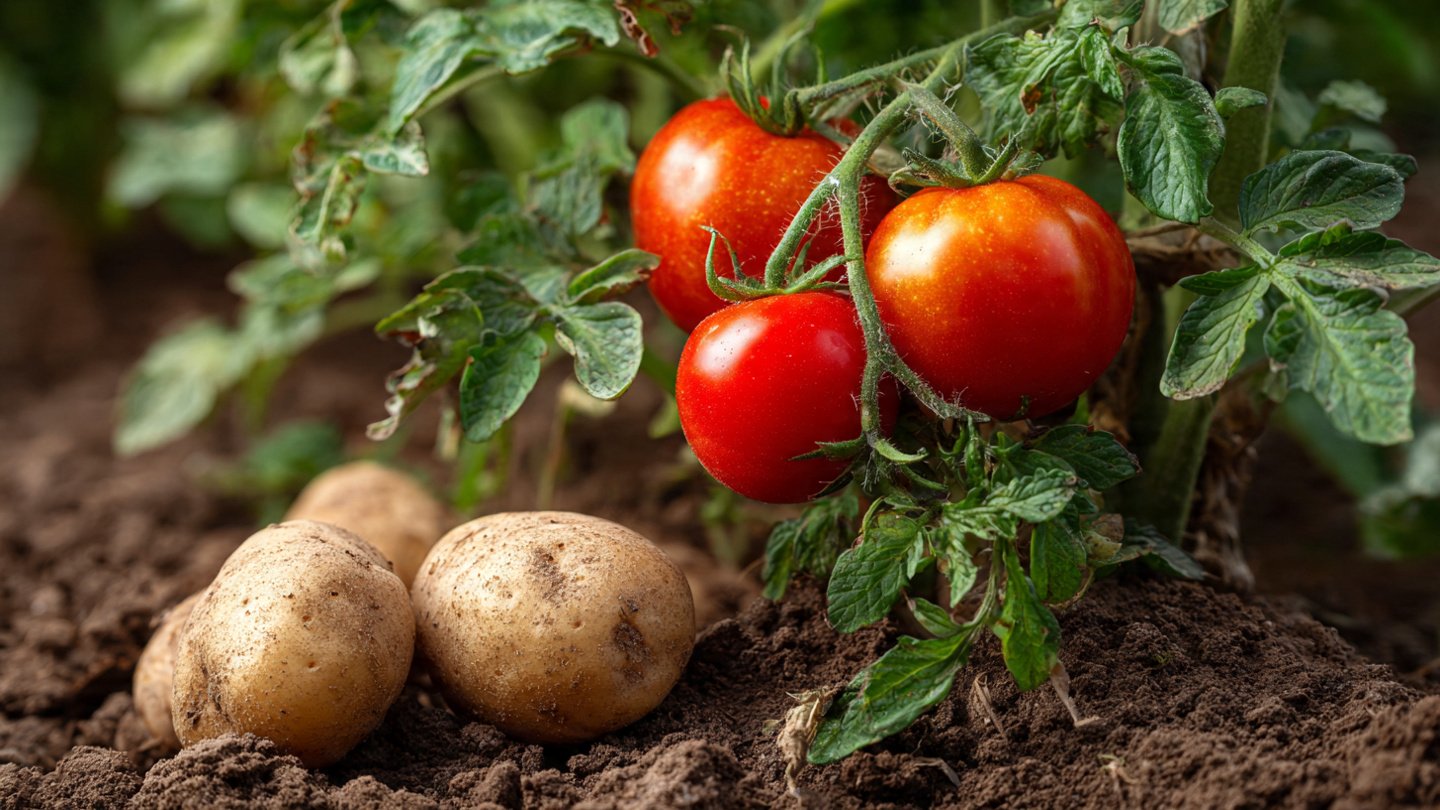
Gardening enthusiasts are always looking for ways to get the most from their space, soil, and plants. Imagine harvesting juicy tomatoes and nutrient-rich potatoes from the same garden bed! This might sound impossible at first, but with the right companion planting technique, growing tomatoes and potatoes together is not only feasible—it can be highly rewarding. This method allows gardeners to optimize space, improve soil health, and even reduce pests naturally, resulting in a bountiful harvest of two favorite crops.
In this guide, we’ll explore why tomatoes and potatoes make ideal companions, how to plant them together effectively, and the best strategies to maximize growth and yield.
Why Grow Tomatoes and Potatoes Together?
At first glance, tomatoes and potatoes may seem unrelated. However, both belong to the Solanaceae family, which means they share similar soil and nutrient requirements. Despite this, they can complement each other when planted thoughtfully:
- Efficient Space Usage: Tomatoes grow upward, while potatoes grow underground. This vertical and horizontal separation allows both plants to thrive in the same bed.
- Nutrient Sharing: Proper soil preparation ensures that each plant can access the nutrients it needs without competing excessively.
- Natural Pest Deterrence: Some gardeners have observed that companion planting reduces pest attacks, such as tomato hornworms or potato beetles.
- Convenient Harvest: Having both crops in one location makes garden maintenance and harvesting easier.
With careful planning, this method can transform a small plot into a dual-crop powerhouse.
Planning Your Tomato-Potato Garden
Before planting, proper planning is crucial:
Choosing Varieties
- Tomatoes: Opt for indeterminate varieties that grow vertically, such as cherry or beefsteak tomatoes. These varieties can be supported with stakes or cages, leaving space below for potatoes.
- Potatoes: Choose early or mid-season varieties to avoid excessive competition for nutrients. Varieties like Yukon Gold, Red Pontiac, or fingerlings work well.
Soil Preparation
Tomatoes and potatoes thrive in fertile, well-draining soil. To prepare:
- Test and amend soil: Ensure a slightly acidic pH (6.0–6.5) and mix in organic compost.
- Loosen the soil: Both plants prefer loose, friable soil to encourage root expansion.
- Add nutrients: Incorporate balanced organic fertilizer or well-rotted compost to supply nitrogen, phosphorus, and potassium for strong foliage and tuber growth.
Bed Layout
- Leave 12–18 inches between tomato plants and 18–24 inches between potato hills.
- Plant potatoes slightly offset from the tomato stems to allow room for hilling and airflow.
- Tomatoes can be staked or caged to grow vertically above the potato rows, maximizing light and reducing leaf contact with the soil.
Planting Tomatoes and Potatoes Together
Step 1: Plant Potatoes
- Cut seed potatoes into pieces with at least one “eye” per piece.
- Plant the potato pieces 4–6 inches deep in soil mounds or rows.
- Space mounds about 18–24 inches apart to allow for growth and hilling.
Step 2: Plant Tomatoes
- Transplant tomato seedlings near the potatoes but avoid planting directly on top of potato hills.
- Support tomatoes with stakes, cages, or trellises to encourage vertical growth.
- Mulch around the base to retain moisture and suppress weeds.
Step 3: Water and Care
- Keep soil evenly moist but not waterlogged. Both plants need consistent moisture for optimal growth.
- Avoid wetting the foliage to reduce the risk of fungal diseases.
- Fertilize lightly every 3–4 weeks with compost tea or balanced organic fertilizer.
Maintenance and Companion Strategies
To ensure both plants flourish:
Hilling Potatoes
- As potato plants grow, mound soil around the stems to protect tubers from sunlight and prevent greening.
- Careful hilling also helps prevent the potato stems from crowding tomato roots.
Pruning Tomatoes
- Remove lower leaves to improve airflow and reduce disease risk.
- Pinch suckers (side shoots) to encourage the main stem’s growth and prevent overcrowding.
Pest and Disease Management
- Watch for common pests such as aphids, tomato hornworms, and potato beetles.
- Use natural deterrents like neem oil or insecticidal soap.
- Rotate crops annually to prevent soil-borne diseases, as planting tomatoes and potatoes together repeatedly in the same spot may increase susceptibility to blight.
Harvesting Your Tomato-Potato Garden
One of the best aspects of this companion method is staggered harvesting:
Potatoes
- Early varieties can be harvested once plants flower and the tubers reach a usable size.
- Dig carefully around the mounds to avoid damaging tubers.
Tomatoes
- Pick tomatoes as they ripen for maximum flavor.
- Continue harvesting until the end of the season to encourage new fruit development.
The combination allows gardeners to enjoy fresh potatoes early in the season and continue harvesting tomatoes throughout summer and fall.
Advantages of This Companion Method
- Maximizes Garden Productivity: Two crops occupy the same space without competing destructively.
- Reduces Weeds: Mulch and plant density suppress weed growth.
- Saves Time and Effort: Maintaining one combined garden bed is easier than separate rows.
- Sustainable and Fun: Using companion planting techniques encourages biodiversity and a balanced ecosystem.
This method demonstrates how smart planting strategies can dramatically increase yield and efficiency.
Tips for Success
- Use trellises for tall tomato varieties to prevent overshadowing potatoes.
- Monitor soil moisture carefully; both crops are prone to rot if overwatered.
- Rotate your tomato-potato bed each year to reduce disease buildup.
- Keep tools and hands clean when handling plants to prevent spreading pathogens.
Even novice gardeners can successfully grow both crops together with proper care and attention.
Final Thoughts
Growing tomatoes and potatoes together is more than just a space-saving hack—it’s a smart, productive approach that maximizes yields, simplifies garden maintenance, and delivers a dual harvest from a single plot. By understanding plant needs, carefully planning your layout, and providing proper care, you can enjoy fresh, homegrown tomatoes and potatoes in the same season.
This mind-blowing companion planting method turns a simple garden bed into a powerhouse of flavor and nutrition. With a little planning and patience, you can transform your garden into a space where two beloved crops thrive together, providing endless enjoyment for your kitchen, family, and friends.