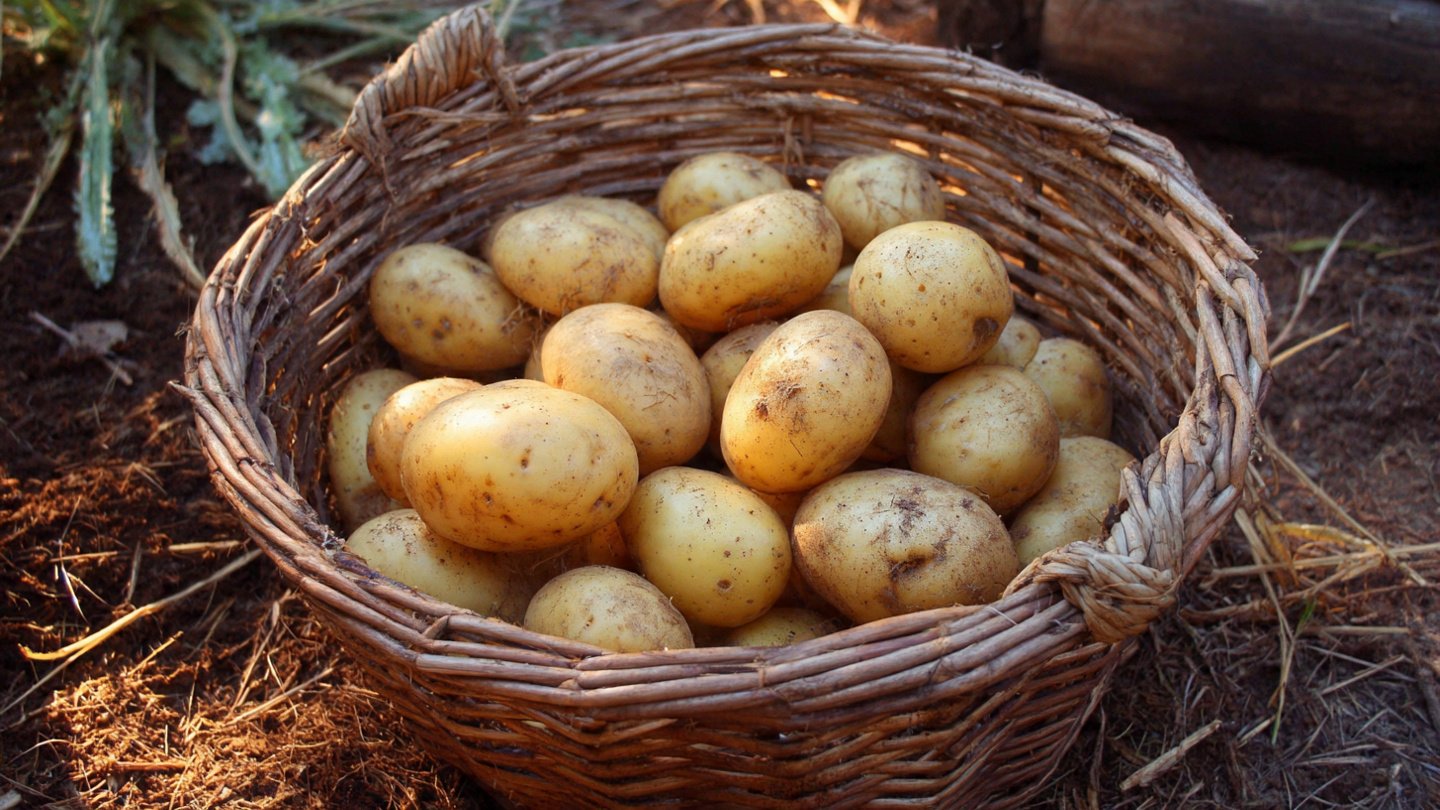
If you’ve ever wanted to grow your own potatoes but thought you didn’t have enough space, there’s good news: you can grow a bountiful potato harvest in a simple bucket. This method is perfect for urban gardeners, balcony growers, or anyone looking to maximize their small space. With the right technique and a little patience, you can enjoy fresh, homegrown potatoes without needing a large garden plot. Here’s a complete guide to growing potatoes in a bucket.
Why Grow Potatoes in a Bucket?
Potatoes are a staple vegetable in kitchens around the world, and nothing beats the taste of freshly harvested potatoes. Traditionally, potatoes require garden space, but growing them in a bucket comes with several advantages:
- Space-Saving – Ideal for apartments, small patios, or even a balcony. A few buckets can provide enough potatoes for a family.
- Soil Control – You can easily control the soil quality, moisture levels, and drainage, which helps prevent disease.
- Pest Management – Buckets reduce exposure to common garden pests like potato beetles or soil-borne diseases.
- Portability – Buckets can be moved to catch the sun or shelter plants from harsh weather.
This method is surprisingly simple, yet highly effective. With the right setup, you can enjoy a healthy harvest even in limited spaces.
What You’ll Need
Before starting, gather these materials. Most are inexpensive and easy to find:
- Bucket: A 5-gallon bucket works best. Make sure it’s clean and has drainage holes at the bottom.
- Seed Potatoes: Use certified seed potatoes rather than store-bought ones, which might be treated to prevent sprouting.
- Potting Soil: A light, well-draining mix works better than heavy garden soil.
- Compost: Enriches the soil and boosts potato growth.
- Mulch (optional): Straw or shredded leaves help retain moisture.
- Watering Can: For consistent watering.
Preparing Your Bucket
- Drainage is Key: Drill 4–6 holes in the bottom of the bucket to prevent waterlogging. Potatoes need moist but well-drained soil; standing water can rot them.
- Layering (Optional): Some gardeners place a thin layer of gravel at the bottom to improve drainage, but this isn’t strictly necessary if your soil is light.
Choosing and Preparing Seed Potatoes
Seed potatoes are small potatoes specifically grown for planting. Here’s how to prepare them:
- Select Healthy Potatoes: Avoid potatoes with mold, disease, or deep cuts.
- Chitting (Sprouting): Place seed potatoes in a bright, cool area for a few weeks until they develop short sprouts. This gives them a head start.
- Cutting Large Potatoes: If the potato is large, cut it into pieces, ensuring each piece has at least one or two sprouts (also called “eyes”). Let the cut pieces dry for 24 hours to reduce the risk of rot.
Planting Potatoes in the Bucket
The beauty of bucket gardening is the layering method, which allows potatoes to grow upward and produce more tubers. Here’s a step-by-step guide:
- First Soil Layer: Fill the bucket with 3–4 inches of a mix of potting soil and compost.
- Place Seed Potatoes: Lay the seed potatoes on top of this soil, sprouts facing upward.
- Cover Lightly: Add another 3–4 inches of soil on top, covering the potatoes completely.
- Watering: Water lightly after planting to moisten the soil. Avoid overwatering, as soggy soil can cause rot.
Care and Maintenance
Potatoes are relatively low-maintenance, but they do require some attention:
- Watering: Keep the soil consistently moist, especially during flowering, when tubers begin to form. Avoid soggy soil, which can lead to rot.
- Sunlight: Buckets should be placed in a sunny spot that gets 6–8 hours of sunlight daily.
- Adding Soil: As the plants grow and reach about 6 inches in height, add more soil to cover the stems partially, leaving the top leaves exposed. This encourages more tubers to form along the buried stems. Repeat until the bucket is full.
- Mulching (Optional): Mulching with straw helps retain moisture and reduce weeds.
Fertilizing
Potatoes are heavy feeders. To maximize your harvest:
- Balanced Fertilizer: Use a balanced fertilizer (like 10-10-10) once a month.
- Organic Boost: Compost tea or liquid seaweed can also promote tuber growth.
- Avoid Excess Nitrogen: Too much nitrogen encourages leaf growth at the expense of potatoes.
Pests and Problems
Growing potatoes in buckets significantly reduces pest problems, but some issues may still arise:
- Aphids: Small insects that suck plant sap. Treat with insecticidal soap if necessary.
- Fungal Diseases: Ensure proper drainage and avoid wetting the leaves too much.
- Yellowing Leaves: Often a sign of overwatering, underwatering, or nutrient deficiency.
Harvesting Your Bucket Potatoes
One of the most satisfying parts of growing potatoes in a bucket is harvesting:
- Early Harvest (“New Potatoes”): About 10 weeks after planting, you can gently dig around the plant to pick small, tender potatoes.
- Full Harvest: Wait until the plant flowers and the foliage begins to yellow. This is usually 12–16 weeks after planting. At this stage, most of the tubers have reached their full size.
- Harvesting Process: Simply tip the bucket over onto a tarp or newspaper and sift through the soil to collect your potatoes. Handle gently to avoid bruising.
Storing Potatoes
After harvesting, proper storage ensures your potatoes last longer:
- Cure: Leave freshly harvested potatoes in a cool, dark place for a few days to toughen the skin.
- Storage Conditions: Store in a cool (45–55°F), dark, and well-ventilated area. Avoid storing in the fridge, as cold temperatures can turn starch into sugar, affecting taste.
- Check Regularly: Remove any potatoes that start to rot or sprout to prevent spoilage of the rest.
Tips for Maximizing Harvests
- Choose the Right Variety: Some potato varieties, like Yukon Gold, Red Pontiac, or Charlotte, do particularly well in containers.
- Use Multiple Buckets: Planting several buckets staggered in time ensures a steady supply of fresh potatoes.
- Rotate Crops: If using the same soil next year, avoid planting potatoes in the same soil to prevent disease build-up.
- Experiment with Fertilizers: Adding a bit of bone meal or ash can sometimes improve yields.
Advantages Over Traditional Gardening
Growing potatoes in a bucket is not just for convenience. It can actually lead to bigger, cleaner, and more productive harvests. Because you can control the soil, water, and sunlight, potatoes often grow faster and with fewer blemishes. Plus, the vertical space use means you get more potatoes per square foot than in traditional garden beds.
Fun Variations
Once you master the basic method, you can get creative:
- Grow Different Varieties Together: Plant red, yellow, and purple potatoes in separate buckets for visual interest and taste variety.
- Use Decorative Containers: A large, rustic ceramic pot or decorative barrel can serve as a conversation starter while growing food.
- Vertical Stacking: Some gardeners use a potato tower method with wire mesh and straw to grow potatoes upward without a deep bucket.
Final Thoughts
Growing potatoes in a bucket is a game-changer for urban gardeners and anyone with limited space. It’s cost-effective, rewarding, and surprisingly simple. By following the steps above—from choosing the right seed potatoes to proper layering and care—you can harvest a bounty of fresh, homegrown potatoes without a large backyard.
This method proves that even small spaces can yield big results, making it perfect for anyone who wants the satisfaction of gardening without the traditional requirements of a full-sized garden.
So, grab a bucket, some seed potatoes, and a sunny spot, and get ready to enjoy your very own potato harvest. With patience and care, you’ll soon find that this simple container method can produce surprisingly impressive results.