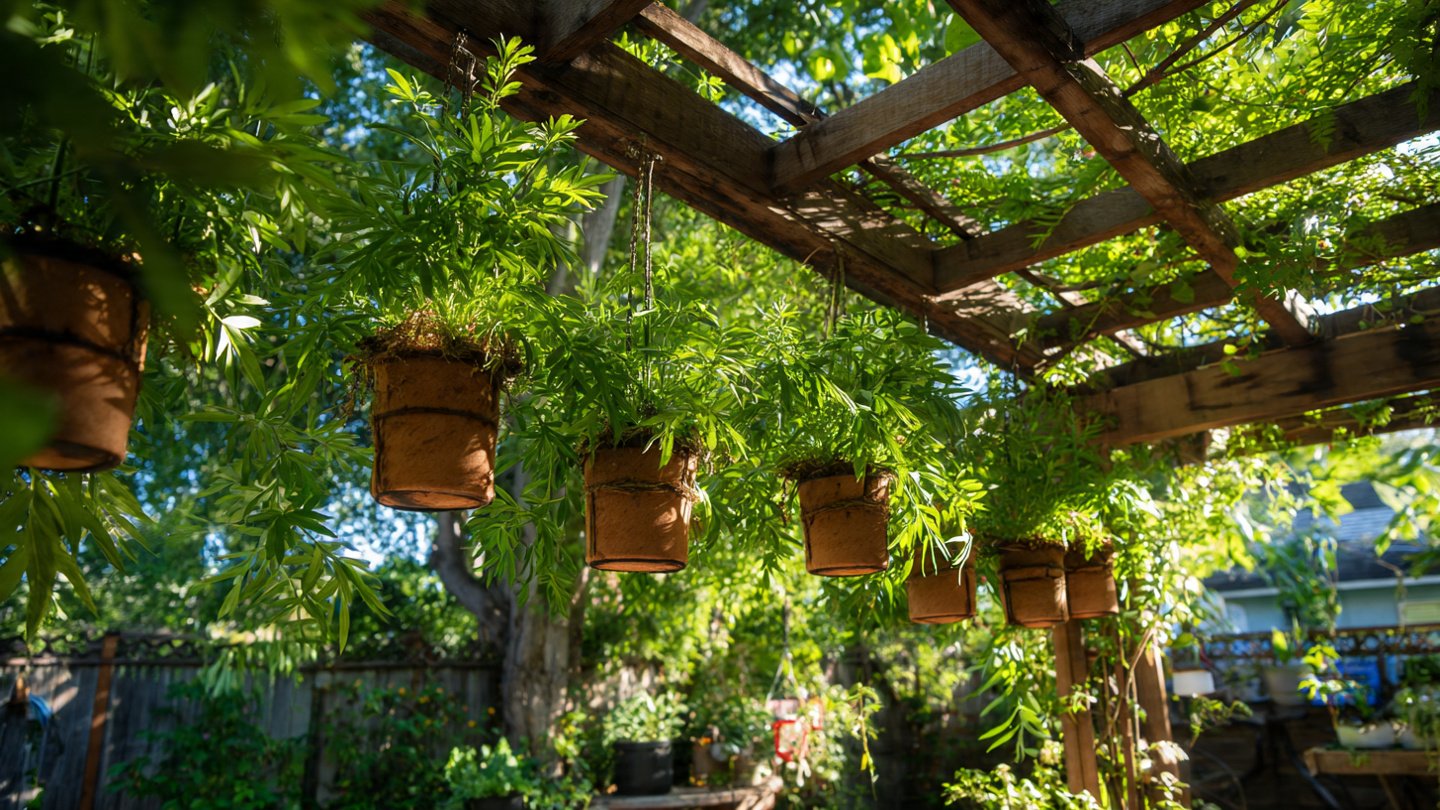
Gardening is full of surprises, but one technique that continues to intrigue both hobbyists and urban gardeners is growing plants upside down. From tomatoes and peppers to strawberries, hanging plants in inverted containers can save space, reduce pests, and even boost yields — all while adding a quirky, decorative twist to your garden or balcony. But how does this unusual method actually work? And why are some gardeners seeing impressive results with it? Let’s explore the science, benefits, and step-by-step guide to upside-down gardening.
The Concept Behind Upside-Down Gardening
At first glance, growing a plant upside down seems to defy nature. After all, plants naturally grow upward toward sunlight and have roots that dig into the soil below. But plants are remarkably adaptable, and several factors make upside-down gardening surprisingly effective:
- Gravity and Plant Orientation
Plants rely on a phenomenon called gravitropism. Roots grow downward (positive gravitropism), while stems grow upward (negative gravitropism). When a plant is inverted, the stem will still reach toward the light, curving upward from the hanging container, while the roots adjust naturally within the soil-filled pocket. - Air Circulation
Hanging plants upside down improves airflow around the leaves and fruit, which reduces the risk of fungal diseases like powdery mildew and leaf spot. - Space Efficiency
Vertical gardening is ideal for small patios, balconies, or urban spaces where floor or ground space is limited. - Pest Reduction
Many ground-dwelling pests, including slugs and snails, have trouble reaching fruit growing above them, which can mean healthier crops.
Best Plants for Upside-Down Gardening
Not all plants thrive when inverted. The most successful candidates are compact, vining, or fruiting plants with relatively lightweight fruit. Popular choices include:
- Tomatoes: Cherry or small tomato varieties are ideal.
- Peppers: Sweet and hot peppers adapt well to hanging growth.
- Strawberries: Their runners and berries hang naturally, making them perfect for upside-down cultivation.
- Herbs: Basil, parsley, and mint can grow well if trimmed regularly.
Avoid very large, heavy fruits or plants with deep taproots, as these can be challenging to support in inverted containers.
How Upside-Down Gardening Works in Practice
Upside-down gardening typically uses a container with soil or a growing medium, suspended from hooks, ceilings, or custom frames. Here’s why it works:
- Soil Pocket or Container Design
The container holds soil and a drainage system, keeping roots moist and aerated. Many DIY gardeners use repurposed buckets, pots, or special hanging planters with a small hole at the bottom for the plant. - Plant Adaptation
When planted upside down, the stem and leaves naturally grow upward toward sunlight. Roots settle downward into the soil-filled cavity. Even though the plant is inverted, its physiology compensates and allows normal growth. - Watering and Nutrition
Because water can drip down quickly in an inverted container, soil moisture management is essential. Many gardeners use soil with good water retention or add a slow-release fertilizer to keep nutrients available.
Step-by-Step Guide to Upside-Down Gardening
If you want to try this at home, here’s a practical approach:
Step 1: Choose the Right Container
- A sturdy bucket, hanging planter, or purpose-made upside-down planter works.
- Make a hole in the bottom just large enough for the plant.
Step 2: Prepare the Plant
- Use seedlings rather than seeds for faster adaptation.
- Trim any excess leaves to reduce stress during transplant.
Step 3: Fill With Soil
- Use high-quality potting mix or soil blended with compost.
- Ensure good drainage at the top (which becomes the bottom when inverted).
Step 4: Planting
- Insert the plant through the hole, allowing the roots to rest inside the soil.
- Secure the plant so it doesn’t slip out.
Step 5: Hanging and Placement
- Suspend the planter from a strong hook, railing, or frame.
- Ensure the plant receives at least 6 hours of sunlight daily.
Step 6: Watering and Fertilizing
- Water regularly to keep soil moist but not waterlogged.
- Fertilize every 2–3 weeks with liquid fertilizer or slow-release granules.
Step 7: Pruning and Maintenance
- Remove dead leaves or flowers to encourage healthy growth.
- Pinch back excessive growth to focus energy on fruit production.
Benefits of Growing Plants Upside Down
1. Higher Yields
Many gardeners report more fruit per plant compared to traditional ground planting, likely because better air circulation and sunlight exposure reduce disease stress.
2. Easier Harvesting
Fruit grows within easy reach at eye level, making picking simpler and more ergonomic.
3. Reduced Soil-Borne Problems
Upside-down plants are less likely to suffer from soil pathogens, root rot, or slug damage.
4. Space Saving
Ideal for balconies, patios, or small gardens where ground space is limited.
5. Decorative Appeal
Hanging, fruit-laden plants are visually striking and can add charm to outdoor or indoor spaces.
Common Challenges and How to Overcome Them
While upside-down gardening works well, gardeners should be aware of potential challenges:
- Watering: Gravity pulls water away from roots faster, so check moisture levels often.
- Plant Stress: Some plants may initially struggle; support with a stake or clip.
- Heavy Fruit: Limit fruit size by choosing smaller varieties or thinning fruits early.
- Wind Damage: Secure hanging containers well to prevent swinging or breakage.
With attention to these factors, upside-down plants can thrive just as well as traditionally planted ones.
Tips for Maximizing Success
- Rotate occasionally: Slightly turn the planter every few days to ensure even sunlight exposure.
- Use mulch inside the container: Helps retain moisture and reduces soil compaction.
- Companion planting: Some herbs and flowers can be planted together in the same upside-down planter to maximize space and deter pests.
- Regular feeding: Plants in limited soil volume benefit from liquid fertilizer to support continuous fruiting.
Why This Gardening Trick Works
Upside-down gardening works because plants are inherently flexible. Their roots and stems adjust to new orientations, while environmental factors like sunlight, moisture, and nutrient availability continue to drive healthy growth. In many ways, it’s a natural extension of vertical gardening techniques, adapted for smaller or unconventional spaces.
By combining the right plant selection, quality soil, and careful maintenance, gardeners can enjoy healthy, high-yielding plants in a fraction of the usual space.
Final Thoughts
Upside-down gardening may seem like a quirky trend, but it’s a practical solution for urban gardeners, small-space enthusiasts, and anyone looking to increase yields while reducing pests and soil-borne problems. With the right containers, soil, and care, this method proves that sometimes, turning things upside down is exactly what your garden needs.
Whether you’re growing juicy tomatoes, vibrant peppers, or sweet strawberries, this surprising gardening trick can transform your space into a productive and beautiful garden — all while demonstrating the remarkable adaptability of plants.