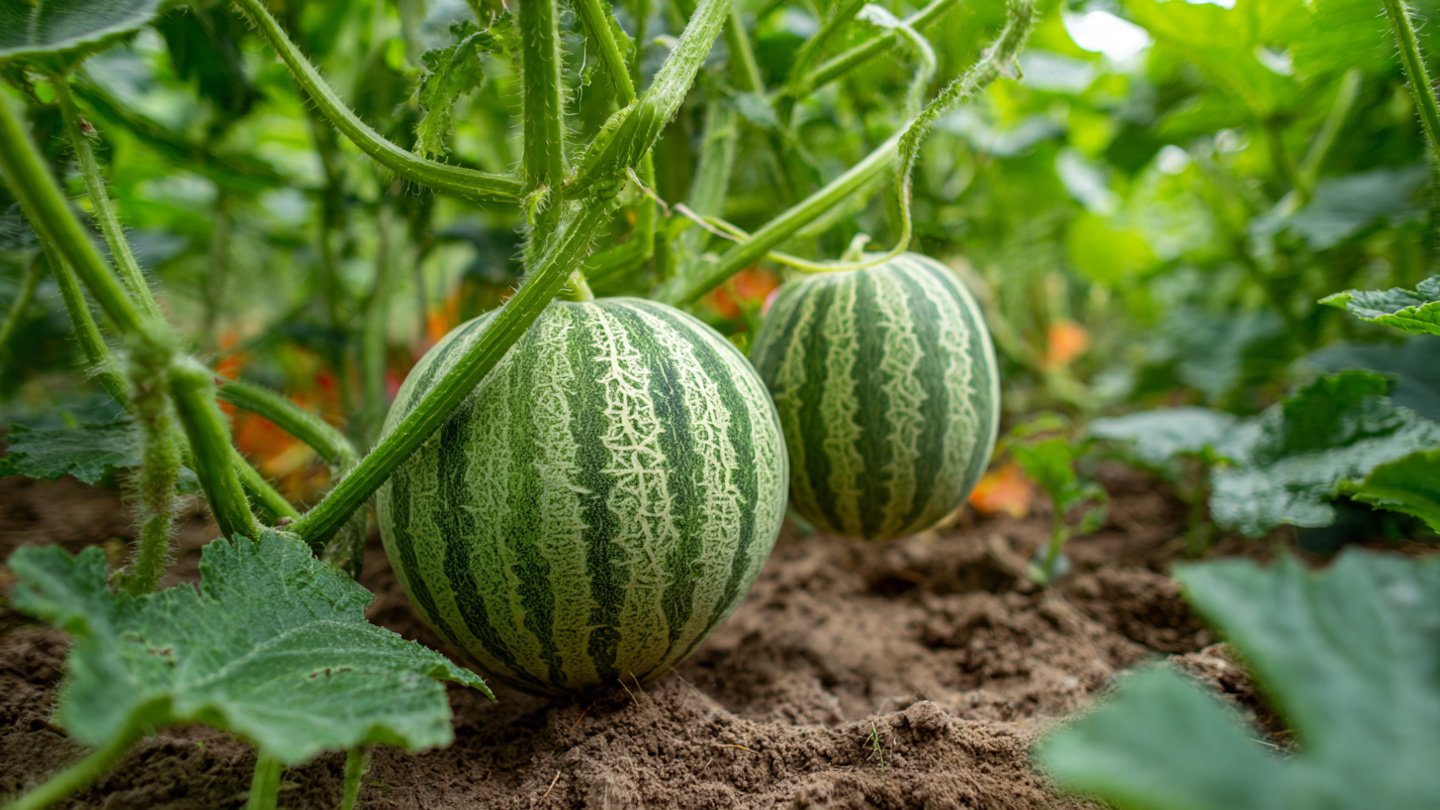
Grow Melons All Year: Proven Tips for High-Yield, Juicy Fruits in Any Garden
Melons are a favorite summer fruit, known for their sweet, juicy flesh and refreshing flavor. Whether it’s watermelon, cantaloupe, or honeydew, nothing beats biting into a freshly harvested melon straight from your own garden. While many gardeners think melons are strictly a warm-season crop, with the right techniques, you can grow them almost year-round and enjoy consistent, high-yield harvests.
This guide provides proven tips and strategies to cultivate melons successfully in any garden, maximizing both quantity and quality, from seed selection to harvesting.
Why Grow Melons at Home?
Growing melons in your own garden offers several advantages:
- Superior Flavor – Homegrown melons are naturally sweeter and juicier than store-bought varieties.
- Chemical-Free – You control fertilizers and pest management, ensuring healthier fruits.
- Cost-Effective – Growing your own melons reduces the need for store-bought produce.
- Continuous Supply – Year-round cultivation ensures fresh fruits even outside traditional seasons.
- Gardening Satisfaction – Nurturing melons from seed to harvest is rewarding and educational.
Step 1: Choosing the Right Melon Variety
Selecting the right variety is the first step toward a successful year-round melon harvest.
Considerations:
- Watermelon Varieties: Sugar Baby, Crimson Sweet, Jubilee, or Seedless hybrids.
- Cantaloupe Varieties: Athena, Honeydew, or Charentais.
- Early-Maturing Varieties: Ideal for staggered planting and continuous harvest.
- Disease-Resistant Varieties: Reduces pest and fungal issues, especially in humid climates.
Choosing varieties suited to your climate and soil type ensures faster growth and higher fruit quality.
Step 2: Preparing Soil for Melons
Melons are heavy feeders and need nutrient-rich, well-draining soil.
Soil Preparation Tips:
- Loosen the soil to a depth of 12–15 inches using a garden fork or tiller.
- Add organic matter like compost, well-rotted manure, or vermicompost.
- Ensure pH balance – melons prefer slightly acidic to neutral soil (pH 6.0–7.0).
- Improve drainage with sand or cocopeat if your garden has clay-heavy soil.
Healthy soil is the foundation of high-yield, juicy melons.
Step 3: Seed Selection and Germination
Start with fresh, high-quality seeds to ensure vigorous growth:
- Soak seeds in water for 12–24 hours before sowing to speed up germination.
- Sow seeds directly in soil or start them in seed trays for early germination.
- Maintain soil temperature around 24–30°C (75–86°F) for optimal sprouting.
Germination usually takes 7–10 days, depending on the variety and growing conditions.
Step 4: Transplanting and Plant Spacing
Melons need plenty of space for their sprawling vines:
- Row spacing: 4–6 feet between rows
- Plant spacing: 2–3 feet between plants
- Vertical support: Consider trellises or cages for cantaloupes or smaller melons to save space and reduce pest issues.
Proper spacing ensures good airflow, reduces disease risk, and encourages larger fruits.
Step 5: Sunlight and Watering
Melons are sun-loving plants that thrive in warm, bright conditions.
Sunlight Requirements:
- At least 6–8 hours of direct sunlight daily
- Partial shade slows growth and reduces sweetness
Watering Tips:
- Keep soil consistently moist during germination and early vine growth.
- Reduce watering when fruits begin to ripen to concentrate sugars and improve sweetness.
- Avoid overhead watering to minimize fungal diseases.
Drip irrigation or soaker hoses work well for maintaining consistent moisture without wetting foliage.
Step 6: Fertilization for High Yields
Melons are heavy feeders and require balanced nutrients for optimal growth and fruiting.
Recommended Fertilization:
- Apply compost or well-rotted manure every 3–4 weeks.
- Use nitrogen-rich fertilizer in the early growth stage for healthy vines and leaves.
- Switch to phosphorus- and potassium-rich fertilizers when flowers appear to encourage fruit development and sweetness.
Regular feeding promotes bigger, juicier melons and more prolific flowering.
Step 7: Pruning and Vine Management
While melons are naturally sprawling, pruning can improve fruit quality and harvest efficiency:
- Remove excess vines to focus energy on fewer, larger fruits.
- Train vines along trellises for vertical growth, especially in small gardens.
- Pinch off the tips after 4–5 fruits set to promote better fruit size.
Proper vine management ensures higher yield and prevents overcrowding.
Step 8: Pollination for Better Fruit Set
Melons rely on insects like bees for pollination. In gardens with low pollinator activity, hand pollination can improve fruit set:
- Identify male and female flowers: male flowers appear first, female flowers have a small swelling at the base.
- Use a small brush or gently transfer pollen from male to female flowers.
- Pollinate in the morning for best results.
Effective pollination ensures that flowers develop into juicy, full-sized fruits.
Step 9: Pest and Disease Management
Common melon pests include aphids, spider mites, and melon flies. Fungal diseases like powdery mildew and downy mildew can also affect growth.
Preventive Strategies:
- Use neem oil or organic insecticidal sprays for pests.
- Apply fungicides or natural remedies for mildew prevention.
- Maintain good spacing and airflow to reduce disease risks.
- Remove and destroy affected leaves or fruits promptly.
Healthy vines produce larger, sweeter melons and reduce losses.
Step 10: Harvesting Melons
Knowing the right time to harvest ensures peak sweetness and juiciness:
- Watermelon: Check for yellow underside, dry tendril near fruit, and hollow sound when tapped.
- Cantaloupe: Ripe when the skin changes from green to beige and the stem slips easily.
- Honeydew: Color changes from green to pale yellow, and the fruit feels slightly soft at the blossom end.
Harvesting at peak ripeness maximizes flavor, sweetness, and juiciness.
Step 11: Tips for Year-Round Melon Cultivation
- Stagger planting: Sow seeds every 4–6 weeks for continuous harvest.
- Use raised beds or containers: Allows better control of soil and water.
- Greenhouses or shade nets: Extend the growing season in cooler months.
- Companion planting: Planting corn, beans, or marigolds nearby can improve growth and deter pests.
With proper planning, you can enjoy fresh, juicy melons throughout the year.
Conclusion
Growing melons all year round is achievable with careful planning, proper care, and attention to sunlight, soil, water, and nutrition. By selecting suitable varieties, managing vines, ensuring pollination, and following pest control strategies, any gardener can enjoy a bountiful harvest of sweet, juicy fruits.
Whether you’re growing sprawling watermelons, fragrant cantaloupes, or honeydew melons, these tips help maximize yield and flavor while keeping your garden healthy and productive. With patience and consistent care, your garden can provide melons that are as satisfying to grow as they are to eat.