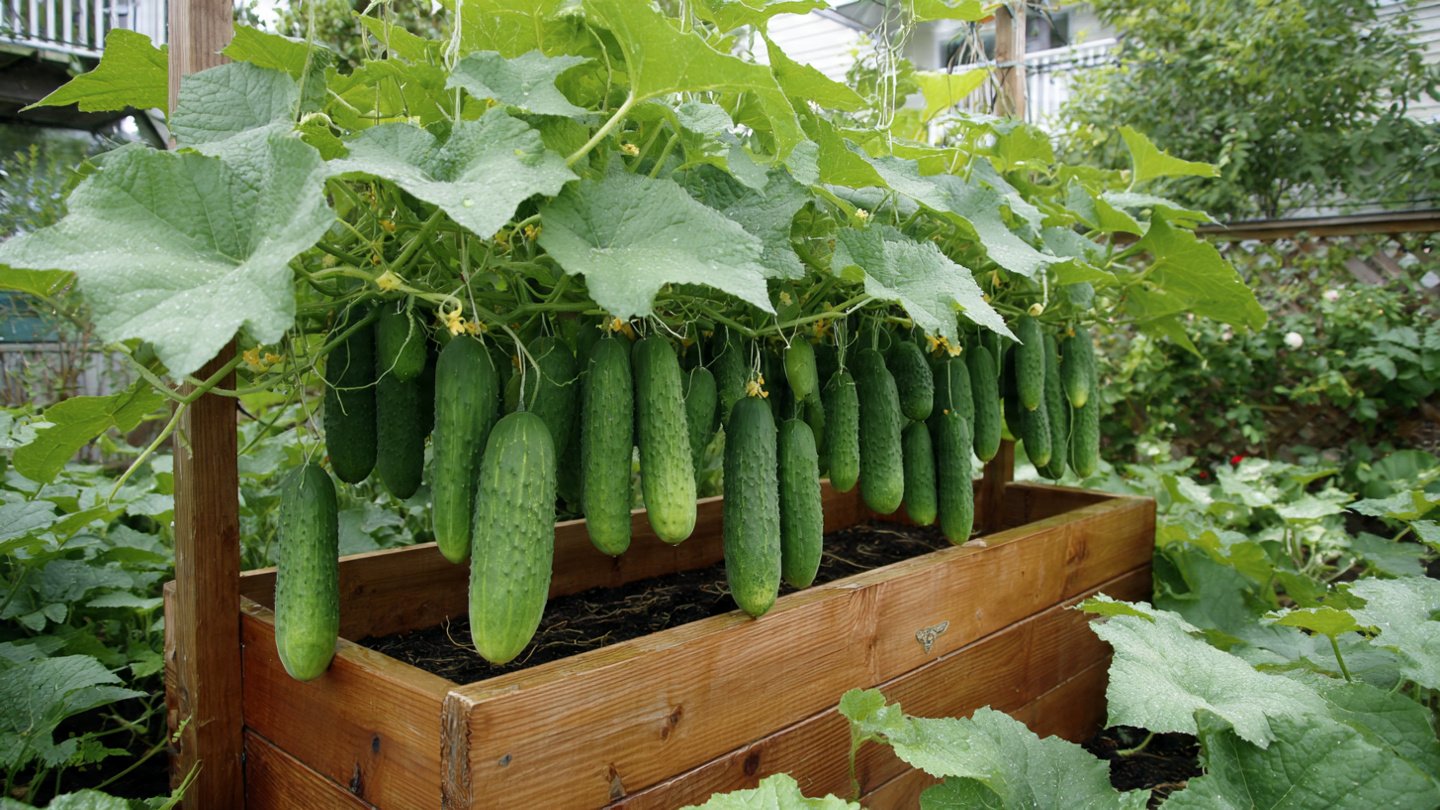
Cucumbers are one of the most satisfying vegetables to grow at home. Fresh, crisp, and full of flavor, they are perfect for salads, pickles, and healthy snacks. But did you know you can grow giant cucumbers right in tubs or containers at home, producing huge yields without needing a large garden? Container gardening makes it easy to control soil quality, watering, and nutrients while maximizing space—even on a balcony or small backyard. This guide will show you everything you need to know to grow massive cucumbers with bountiful harvests.
Why Grow Cucumbers in Tubs?
Growing cucumbers in tubs offers several advantages over traditional in-ground gardening:
- Space-saving: Perfect for small spaces, balconies, or patios.
- Soil control: You can use nutrient-rich, well-draining soil to encourage fast growth.
- Mobility: Move containers to follow sunlight or protect plants from extreme weather.
- Disease management: Containers reduce the risk of soil-borne diseases.
- High yield potential: With proper care, cucumbers in tubs can grow longer, thicker, and more abundant fruits.
With these benefits, container-grown cucumbers are ideal for home gardeners looking for both convenience and maximum harvests.
Choosing the Right Container
The right tub is essential for growing giant cucumbers. Cucumbers have deep root systems, so containers should be large and spacious. Recommendations include:
- Size: At least 18–24 inches in diameter and 12–18 inches deep for one plant.
- Material: Plastic, ceramic, or wooden tubs are suitable. Plastic is lightweight and easy to move.
- Drainage: Ensure there are multiple drainage holes at the bottom to prevent waterlogging.
Larger tubs allow roots to spread freely, supporting strong vines and heavier fruits.
Selecting the Best Cucumber Variety
Not all cucumber varieties grow well in containers. For giant cucumbers, look for long, vigorous, and high-yielding varieties. Some excellent choices include:
- Poinsett 76: Produces long, straight fruits.
- Marketmore 76: Resistant to common diseases and ideal for tubs.
- Japanese Long: Slender, tender cucumbers that grow very long in containers.
Check seed catalogs or local nurseries for container-friendly varieties suited to your climate.
Preparing the Soil for Maximum Growth
Healthy soil is critical for giant cucumber growth. Cucumbers are heavy feeders and require fertile, well-draining soil. A recommended soil mix for tubs includes:
- 50% garden soil or topsoil
- 30% compost or well-rotted manure
- 20% coco peat, sand, or perlite for aeration
Mix thoroughly and fill your container, leaving 2–3 inches from the top for watering and mulching. This soil blend ensures proper nutrients, moisture retention, and drainage for robust growth.
Planting Cucumbers in Tubs
You can start cucumbers from seeds or seedlings. For faster results, seedlings are recommended.
Step-by-Step Planting:
- Seeds: Plant 2–3 seeds per tub about 1 inch deep. Thin to one strong seedling after 2–3 weeks.
- Seedlings: Transplant carefully, keeping the root ball intact. Plant at the same soil depth as they were in the nursery.
- Spacing: For giant cucumbers, plant only one per tub to maximize nutrients and space.
Once planted, water immediately and place the tub in a sunny spot. Cucumbers need 6–8 hours of sunlight daily to grow vigorously.
Supporting the Vines
Giant cucumbers produce long vines that need support to prevent fruits from lying on the ground. Using trellises, stakes, or cages helps:
- Keep fruits straight and clean.
- Improve air circulation, reducing disease risk.
- Make harvesting easier.
PVC pipes, bamboo sticks, or metal cages work well. Tie vines gently with soft twine to avoid damage.
Watering and Fertilization
Cucumbers are thirsty plants, especially in containers. Consistent watering is crucial:
- Water deeply every 2–3 days in hot weather.
- Ensure soil stays moist but not soggy.
Fertilization is key to producing large fruits:
- Before planting: Mix compost or organic fertilizer into the soil.
- During growth: Apply liquid fertilizer every 10–14 days, or side-dress with compost around the base.
- High potassium and phosphorus: Encourage flower and fruit development.
Proper feeding ensures longer, thicker cucumbers with excellent flavor.
Mulching for Healthier Plants
Mulching helps maintain moisture, regulate soil temperature, and reduce weeds. Use organic mulch such as straw, dry leaves, or shredded grass. Mulching also prevents soil from splashing onto fruits, keeping them clean and reducing disease risks.
Pollination for Better Yield
Cucumbers produce male and female flowers. Pollination is essential for fruit formation. While bees and other pollinators often handle this naturally, container-grown plants sometimes need hand pollination:
- Use a small brush to transfer pollen from male flowers to female flowers.
- Female flowers have a tiny fruit at the base.
Hand pollination ensures more flowers develop into healthy fruits, maximizing your harvest.
Common Problems and How to Solve Them
Even container-grown cucumbers can face challenges. Some common issues include:
- Yellow leaves: Usually a sign of nutrient deficiency; feed with balanced fertilizer.
- Powdery mildew: Improve air circulation, avoid overhead watering, and remove infected leaves.
- Pests: Aphids, spider mites, and whiteflies can attack vines. Neem oil or insecticidal soap works well.
- Fruit rot: Ensure proper drainage and avoid waterlogging.
Regular monitoring and preventive care will keep plants healthy and productive.
Harvesting Giant Cucumbers
Giant cucumbers can reach impressive sizes, but harvesting at the right time is key:
- Check fruit length and color according to the variety.
- Harvest regularly to encourage continuous production.
- Use a sharp knife or scissors to avoid damaging vines.
With consistent care, a single tub can produce multiple large cucumbers over the growing season.
Advantages of Growing Cucumbers in Tubs
Container-grown cucumbers are ideal for modern gardeners due to:
- Space efficiency: Perfect for small homes or apartments.
- Better soil control: Avoid poor garden soil or contamination.
- Ease of management: Pests, watering, and nutrient needs are easier to monitor.
- Bigger harvests: With proper care, cucumbers grow longer, thicker, and more flavorful than in-ground plants.
This method is both practical and highly rewarding for home gardeners seeking fresh, homegrown cucumbers.
Conclusion
Growing giant cucumbers in tubs is a simple, effective, and space-saving method to enjoy abundant, delicious harvests at home. By selecting the right variety, preparing nutrient-rich soil, providing proper support, and practicing regular care, even small-space gardeners can produce impressive cucumbers that rival market-grown fruit. Container gardening with cucumbers is not only practical but also fun and highly satisfying, turning even limited space into a productive vegetable garden. With patience, attention, and smart planning, you can enjoy fresh, crisp, giant cucumbers straight from your tub to your table.