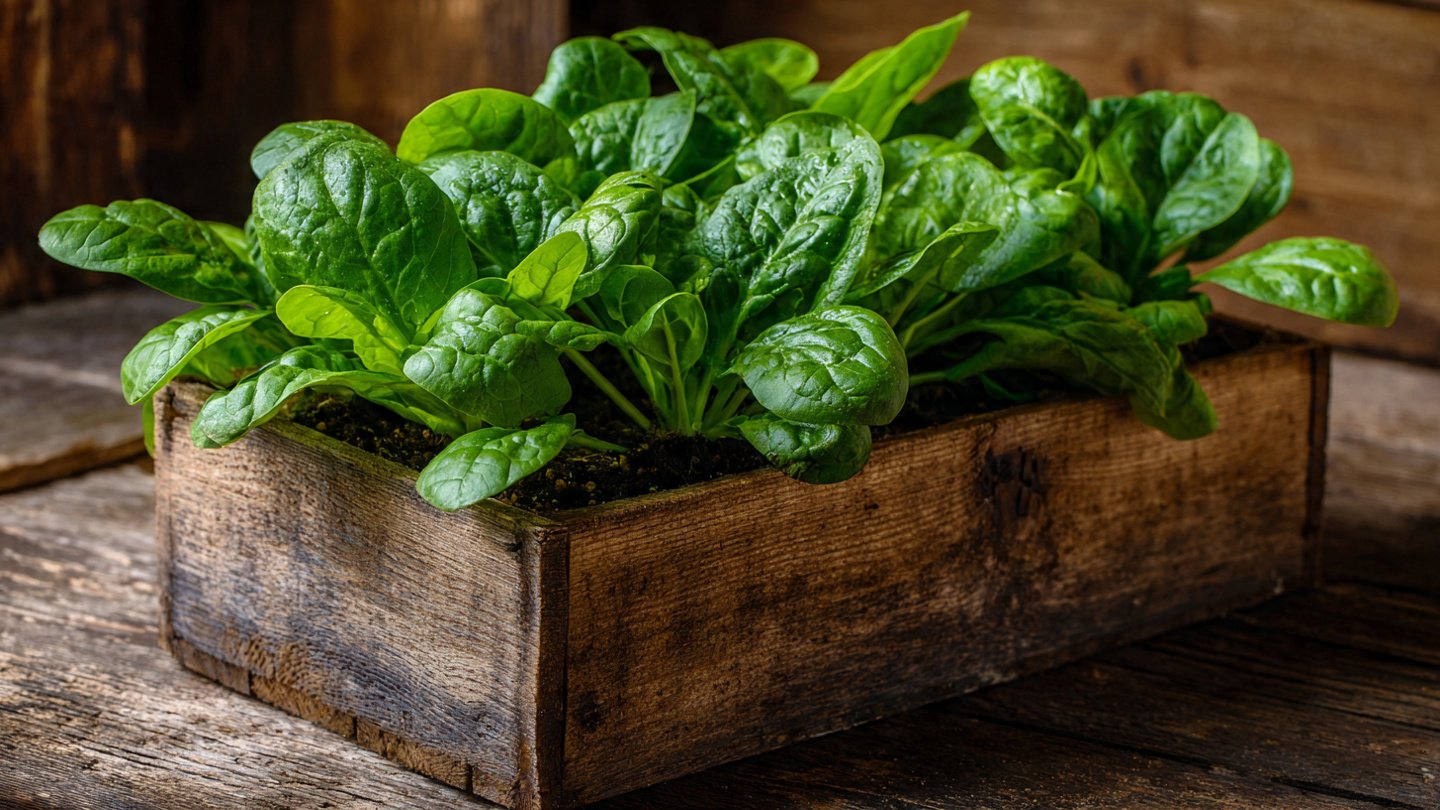
Spinach is one of the most nutritious leafy greens you can enjoy at home. Packed with vitamins, minerals, and antioxidants, it’s perfect for salads, smoothies, soups, and sautés. The good news is that you don’t need a large garden to grow fresh spinach. With simple containers and a little care, you can cultivate healthy, crisp leaves right on your balcony, terrace, or even indoors.
This complete guide will show you step by step how to grow fresh, nutrient-rich spinach without a traditional garden, making healthy eating easy and accessible year-round.
Why Grow Spinach at Home?
Growing spinach at home offers several advantages over store-bought greens:
- Freshness: Homegrown spinach retains more nutrients and flavor than store-bought varieties.
- Chemical-free: You can avoid pesticides and synthetic fertilizers.
- Year-round supply: With container gardening, you can grow spinach in any season.
- Space-efficient: Ideal for apartments, balconies, and small terraces.
Additionally, harvesting your own spinach is a fun and satisfying experience, giving you control over your food and its quality.
Choosing the Right Spinach Variety
The first step in container spinach gardening is selecting the right variety. Spinach comes in several types:
- Flat-leaf spinach: Tender, smooth leaves ideal for salads.
- Savoy spinach: Wrinkled leaves with a slightly firmer texture, great for cooking.
- Baby leaf varieties: Quick-growing, harvested young for delicate leaves.
For containers, compact or dwarf varieties are ideal because they grow well in limited soil depth and produce multiple harvests quickly.
Selecting the Perfect Container
Spinach grows well in simple containers as long as they have adequate drainage. Consider these tips:
- Use pots, tubs, or window boxes at least 6–8 inches deep.
- Ensure drainage holes at the bottom to prevent waterlogging.
- Choose containers that can hold at least 2–3 liters of soil per plant.
Plastic, ceramic, or terracotta pots all work. Lightweight containers are easier to move, which is helpful for adjusting sunlight exposure.
Preparing the Soil
Spinach grows best in nutrient-rich, well-draining soil. A good container soil mix includes:
- Garden soil or potting mix
- Organic compost or vermicompost
- Cocopeat or perlite for aeration and drainage
Spinach prefers slightly acidic to neutral soil (pH 6.0–7.0). Mixing compost into the soil provides essential nutrients and ensures faster, healthier growth.
Sowing Spinach Seeds
Spinach can be grown directly from seeds in containers:
- Fill the container with prepared soil, leaving 1 inch from the top.
- Sow seeds about ½ inch deep.
- Space seeds 2–3 inches apart to allow room for growth.
- Water gently to keep the soil moist.
Seeds typically germinate within 7–14 days, depending on the variety and environmental conditions. For a continuous harvest, sow seeds in staggered intervals every 2–3 weeks.
Sunlight and Placement
Spinach thrives in cool weather and requires adequate sunlight for healthy growth:
- Provide 4–6 hours of sunlight daily.
- In very hot climates, partial shade during afternoon hours prevents leaves from bolting.
- For indoor gardening, place containers near bright windows or use artificial grow lights.
Proper sunlight ensures vibrant green leaves, strong stems, and faster growth.
Watering Spinach
Consistent moisture is key for fast-growing, tender spinach leaves:
- Keep the soil consistently moist but not soggy.
- Water lightly every day or deeply every 2–3 days depending on the weather.
- Mulch the soil surface with dried leaves or straw to retain moisture and regulate temperature.
Avoid overwatering, as spinach roots are shallow and prone to rot in waterlogged soil.
Fertilizing for Healthy Leaves
Even in containers, spinach benefits from regular feeding:
- Apply organic compost or vermicompost every 2–3 weeks.
- Liquid fertilizers like diluted cow urine or compost tea encourage lush growth.
- Avoid excessive nitrogen, which can promote leafy growth but reduce flavor and overall health.
Balanced feeding ensures tender, nutrient-rich leaves throughout the growing season.
Thinning and Maintenance
Once seedlings reach 2–3 inches, thin them to prevent overcrowding:
- Leave 4–6 inches between plants for optimal growth.
- Remove weak or small seedlings to give stronger plants more space and nutrients.
- Regularly remove yellowing or damaged leaves to maintain plant health.
Thinning and maintenance allow the remaining plants to grow faster and produce more leaves per harvest.
Managing Pests and Diseases
Spinach grown in containers is less prone to pests than garden-grown crops, but vigilance is still necessary:
- Aphids: Spray neem oil or mild soapy water to control infestations.
- Leaf miners: Remove affected leaves promptly.
- Fungal issues: Ensure proper drainage and airflow around plants.
Healthy plants resist disease naturally, so maintaining clean soil and proper watering is key.
Harvesting Spinach
Spinach can be harvested multiple times, providing fresh leaves throughout the season:
- Cut-and-come-again method: Trim outer leaves 2–3 inches above the soil, leaving the central growing point intact.
- Timing: Harvest when leaves are young and tender for best flavor.
- Frequency: Regular harvesting encourages new leaf growth and prolongs the productive life of the plant.
With proper care, a container-grown spinach plant can provide several harvests over 6–8 weeks.
Tips for Maximizing Spinach Yield
- Use larger containers for more plants and deeper roots.
- Rotate containers to ensure all plants receive adequate sunlight.
- Sow seeds in staggered intervals for a continuous supply.
- Fertilize regularly with organic compost to maintain nutrient levels.
- Avoid extreme heat; provide shade or move containers indoors if needed.
These small steps make a significant difference in growth speed, leaf quality, and overall yield.
Advantages of Container Spinach Gardening
- Space-saving: Ideal for urban apartments and small terraces.
- Chemical-free produce: You control everything that touches your plant.
- Mobility: Containers can be moved to optimize sunlight or protect from harsh weather.
- Continuous harvest: Multiple sowings allow year-round fresh leaves.
- Educational and fun: Great for beginners, kids, and anyone learning gardening.
Container gardening transforms even small spaces into productive, green sanctuaries.
Final Thoughts
Growing fresh, nutritious spinach without a traditional garden is entirely possible with simple containers, quality soil, and proper care. By following this step-by-step guide, you can enjoy crisp, flavorful leaves year-round, improve your diet, and enhance your terrace or balcony with greenery.
Container-grown spinach is not only convenient and productive but also a sustainable way to access healthy food without relying on store-bought produce. With patience, consistency, and a little creativity, anyone can create a thriving spinach garden in small spaces—no backyard required.