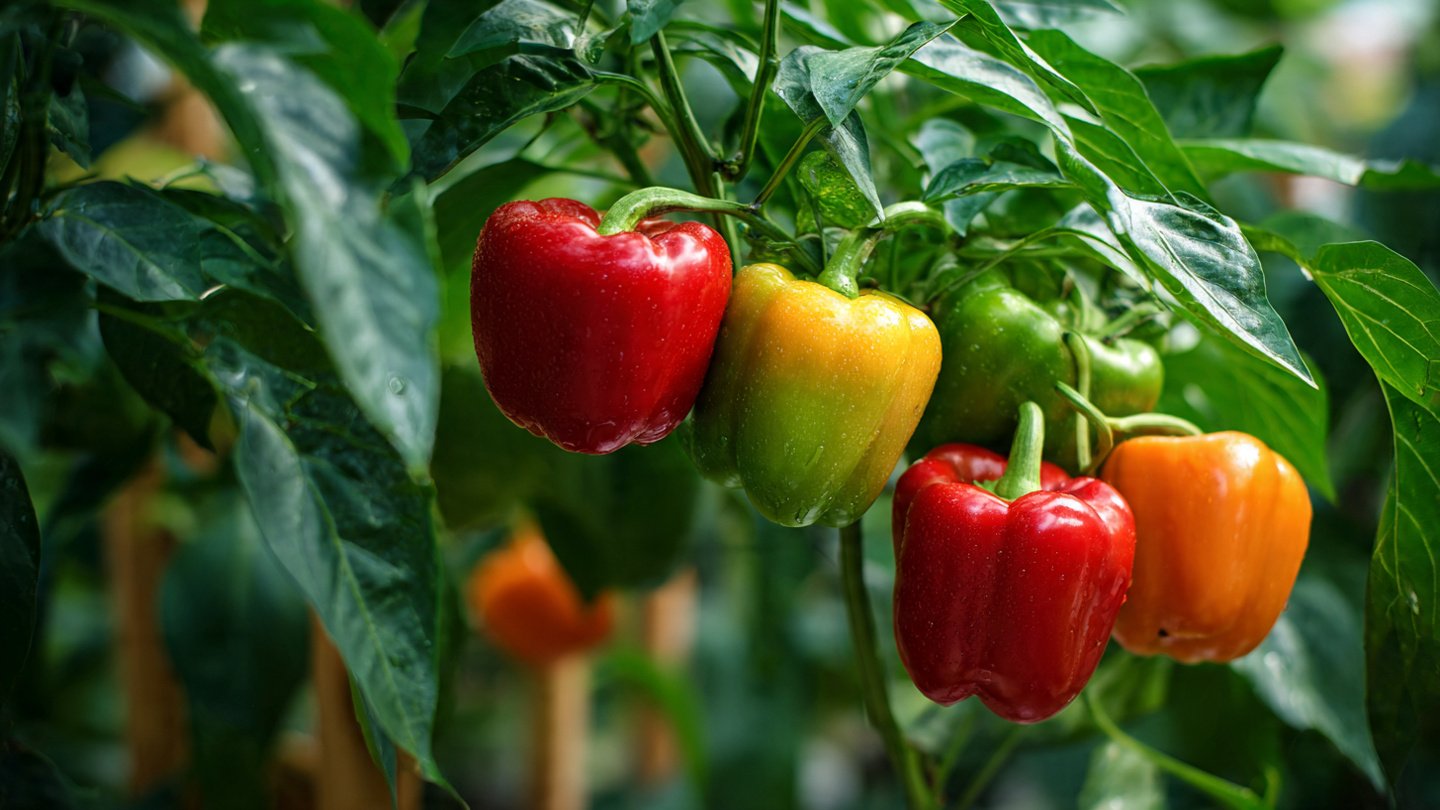
Bell peppers are one of the most versatile and rewarding vegetables you can grow at home. Their vibrant colors—green, red, yellow, and orange—add both flavor and beauty to any kitchen, while their sweet, crisp taste makes them perfect for salads, stir-fries, roasting, and snacking. If you’ve ever dreamed of harvesting fresh bell peppers all year round, container gardening offers an accessible and efficient solution, even if you don’t have a large backyard. With the right approach, you can enjoy continuous harvests of juicy peppers from the comfort of your home.
Why Grow Bell Peppers at Home?
Homegrown bell peppers are more flavorful, tender, and nutrient-rich than most store-bought varieties. Commercially sold peppers often travel long distances, lose freshness, and are harvested before reaching full ripeness. Growing your own allows you to pick them at peak maturity, ensuring maximum flavor and nutrient content. Additionally, gardening at home gives you control over growing conditions, helping you avoid pesticides and chemical fertilizers.
Growing peppers in containers is particularly advantageous for several reasons:
- Space Efficiency – Perfect for balconies, patios, or small gardens.
- Mobility – Containers can be moved to catch the sun or avoid harsh weather.
- Soil Control – You can use high-quality soil and manage drainage more easily than in-ground beds.
- Pest Management – Plants are elevated from common soil pests and easier to monitor.
With these benefits, even urban gardeners can enjoy year-round bell pepper cultivation.
Choosing the Right Varieties
Not all bell pepper varieties are ideal for container gardening. Look for compact or dwarf varieties that produce abundant fruit without sprawling. Popular container-friendly options include:
- ‘Mini Belle’ – Small, colorful, and perfect for pots.
- ‘Cal Wonder’ – Produces medium-sized peppers with a classic bell shape.
- ‘Gypsy’ – Sweet, elongated fruits with continuous production.
- ‘Sweet Snack’ – Great for snacking and small spaces.
Selecting varieties suited to your climate and container size ensures better yields and healthier plants. Additionally, consider whether you want early-maturing types for quick harvests or long-season varieties for extended production.
Preparing Your Container
Bell peppers need room for their roots to grow, so choose a container that is at least 12-16 inches in diameter and 12 inches deep. Larger containers allow for better root development, which translates into bigger and more abundant fruits. Ensure the pot has adequate drainage holes to prevent waterlogging, which can lead to root rot.
For soil, use a high-quality potting mix rich in organic matter. Avoid garden soil, which can be too heavy and may harbor pests or diseases. Adding perlite or vermiculite can improve drainage and aeration, which is essential for healthy pepper plants.
Planting Bell Peppers in Containers
Start with seeds or young seedlings. Seeds can be sown indoors 8-10 weeks before the last frost, or you can purchase seedlings from a nursery. If starting from seed:
- Sow seeds in a seed-starting mix about ¼ inch deep.
- Keep the soil consistently moist but not waterlogged.
- Provide warmth and light, ideally using a grow light or a sunny windowsill.
- Once seedlings develop 2-3 sets of true leaves, they are ready to transplant.
Transplant seedlings into your prepared container, spacing 1 plant per container to avoid overcrowding. Bell peppers thrive in warm conditions, so choose a sunny location that receives 6-8 hours of direct sunlight daily. If natural sunlight is limited, a grow light can supplement their needs.
Watering and Feeding
Consistent moisture is key to healthy bell peppers, but overwatering can cause problems. Water deeply whenever the top inch of soil feels dry. Container plants tend to dry out faster than in-ground plants, so daily checks are often necessary, especially in hot weather.
Bell peppers are moderate feeders and benefit from regular fertilization. Use a balanced liquid fertilizer every 2-3 weeks or a slow-release granular fertilizer mixed into the soil at planting. A fertilizer higher in phosphorus encourages strong roots and flowers, while potassium promotes fruit development. Avoid excessive nitrogen, as it encourages leafy growth at the expense of fruit production.
Supporting Your Plants
Even in containers, bell peppers often need support as they grow and produce heavy fruit. Insert a stake, cage, or trellis at planting time to avoid damaging roots later. Tying the stems gently to the support keeps plants upright, prevents breakage, and improves air circulation, reducing the risk of diseases.
Managing Pests and Diseases
Container gardening reduces many pest problems, but peppers are not immune. Common pests include aphids, spider mites, and whiteflies. Keep an eye out for discolored leaves or sticky residue, which may indicate infestation. Introducing beneficial insects like ladybugs or using organic insecticidal soap can keep pests under control.
Fungal diseases, such as powdery mildew or blight, can occur in humid conditions. Avoid overhead watering, provide good airflow, and remove affected leaves promptly to prevent spread. Using clean containers and sterilized soil each season also reduces disease risk.
Extending the Growing Season
One of the biggest advantages of container gardening is the ability to extend the growing season. Bell peppers are frost-sensitive, but moving containers indoors or to a greenhouse during cooler months allows year-round production. Indoor lighting, consistent temperatures (around 70-80°F during the day and 60-65°F at night), and proper humidity can mimic summer conditions, keeping plants productive even in winter.
Another strategy is succession planting. By planting new seeds or seedlings every few weeks, you can maintain a continuous harvest rather than a single peak season. Some gardeners even rotate containers between indoors and outdoors, maximizing sun exposure and extending productivity.
Harvesting Bell Peppers
Bell peppers can be harvested when green or allowed to ripen to red, yellow, or orange, depending on the variety. Picking them at different stages ensures a steady supply. To harvest:
- Use clean, sharp scissors or pruners to cut the fruit from the plant, leaving a small portion of the stem attached.
- Avoid pulling peppers off by hand, as this can damage the plant.
- Regular harvesting encourages the plant to produce more flowers and fruit.
Properly harvested peppers can last 1-2 weeks in the refrigerator, and storing them at room temperature for a few days enhances flavor if eaten soon after picking.
Tips for Continuous Success
- Rotate Plants Annually: Container soil can become depleted over time. Refresh with new potting mix each season.
- Prune for Productivity: Removing lower leaves and occasional flower thinning improves airflow and fruit size.
- Monitor Light and Temperature: Adjust container location seasonally to ensure adequate sunlight and warmth.
- Mulch to Retain Moisture: A thin layer of organic mulch helps reduce watering frequency and keeps roots cool.
With these simple practices, your bell pepper plants can thrive in containers year after year.
Beyond Bell Peppers: Companion Planting in Containers
You can also grow compatible plants in the same container or nearby to boost yields and deter pests. Good companions include basil, onions, or marigolds. Basil enhances flavor and repels insects, while marigolds help deter nematodes. Avoid planting peppers with fennel or kohlrabi, which may stunt growth.
Enjoying the Fruits of Your Labor
Fresh, homegrown bell peppers elevate any dish. From crisp salads to roasted pepper medleys, stuffed peppers, or homemade salsas, the flavor and satisfaction of using ingredients you’ve nurtured yourself are unparalleled. Beyond culinary delight, container gardening offers a therapeutic and rewarding experience, connecting you with nature even in urban spaces.
By following these simple yet effective techniques, you can enjoy continuous, delicious bell peppers all year long, regardless of your space or climate. Container gardening transforms small areas into productive, vibrant gardens, and nothing beats the joy of picking a ripe, sun-warmed pepper from your own home.