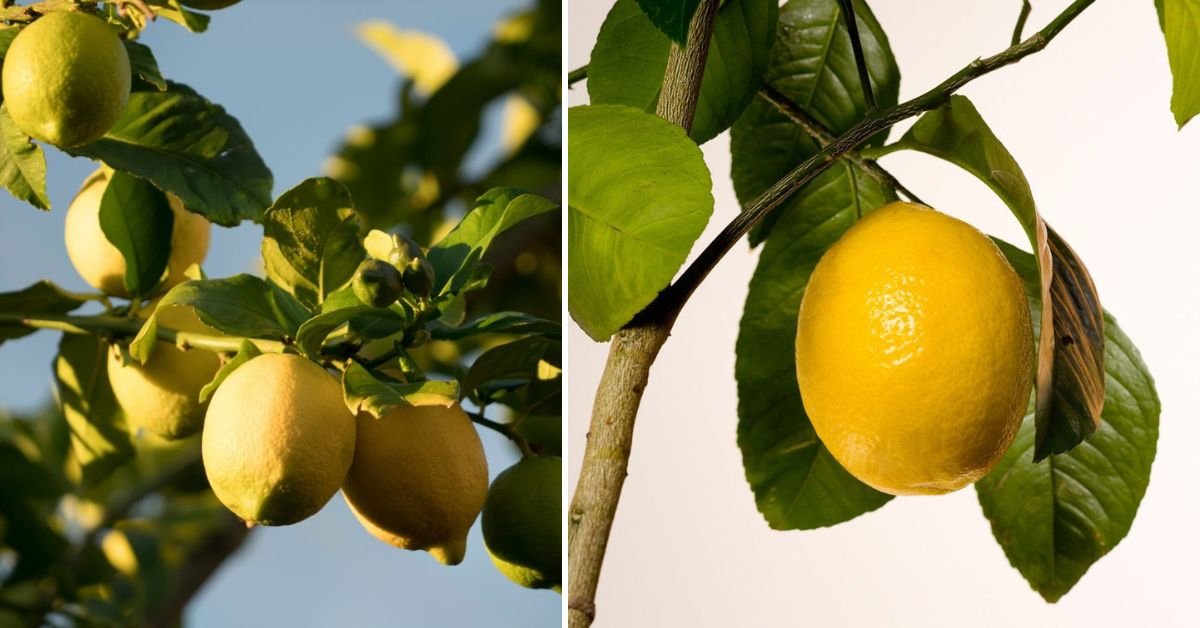
Growing a lemon tree at home is one of the most rewarding gardening experiences you can have. From the glossy green leaves and fragrant white flowers to the bright yellow fruits hanging from the branches, a lemon tree brings beauty, freshness, and productivity into your space. The best part? You don’t need to be a professional gardener to succeed. With the right approach and consistent care, anyone can grow a thriving lemon tree at home and enjoy an abundance of juicy citrus.
This complete, step-by-step guide will walk you through every stage of growing lemon trees like a pro—from choosing the right plant to harvesting perfectly ripe lemons.
Why Lemon Trees Are Perfect for Home Gardening
Lemon trees are surprisingly adaptable. They can be grown in the ground, in large pots, on terraces, balconies, and even indoors with enough sunlight. Unlike many fruit trees, lemons can flower and fruit multiple times a year, giving you a steady supply of fresh citrus.
Homegrown lemons are also healthier and more flavorful than store-bought ones. You control what goes into the soil, ensuring chemical-free fruit that’s fresher and richer in taste.
Step 1: Choosing the Right Lemon Variety
Success begins with selecting the right type of lemon tree. For home gardeners, especially beginners, compact or dwarf varieties are ideal. These trees stay manageable in size while producing plenty of fruit.
When buying a plant, look for:
- Bright green, healthy leaves
- A strong main stem
- No signs of pests, spots, or yellowing
Grafted lemon plants are highly recommended because they grow faster and fruit earlier than seed-grown trees.
Step 2: Finding the Perfect Location
Lemon trees love sunlight more than almost anything else. To grow and fruit well, they need at least 6 to 8 hours of direct sunlight every day.
Choose:
- A sunny backyard spot
- A terrace or balcony with full sun
- Near a bright window if grown indoors
Good air circulation is important, but avoid areas with strong, constant winds that can damage flowers and young fruits.
Step 3: Preparing the Ideal Soil
Healthy roots are the foundation of a productive lemon tree. Lemons prefer well-draining, slightly acidic soil that doesn’t stay soggy.
For ground planting, improve the soil by mixing:
- Garden soil
- Compost or well-rotted manure
- Sand or cocopeat for drainage
For containers, use a high-quality potting mix designed for citrus or fruit plants. Always choose a pot with drainage holes to prevent waterlogging.
Step 4: Planting the Lemon Tree Correctly
Dig a hole twice as wide as the root ball and about the same depth. Place the tree carefully so the top of the root ball sits slightly above soil level.
Fill in the soil gently, pressing lightly to remove air pockets. Water thoroughly after planting to help the roots settle.
Avoid planting too deep—this common mistake can slow growth and cause disease.
Step 5: Watering the Right Way
Proper watering is one of the most important skills to master. Lemon trees like evenly moist soil but hate standing water.
Water deeply when the top layer of soil feels dry. In hot weather, this may mean watering more often. In cooler months, reduce watering to prevent root rot.
A simple test: if the soil sticks to your finger, wait before watering. If it feels dry, it’s time to water.
Step 6: Feeding for Lush Growth and Juicy Fruits
Lemon trees are heavy feeders and need regular nutrients to stay productive. Use a balanced fertilizer designed for citrus trees, rich in nitrogen, phosphorus, and potassium.
Feed your tree every 4–6 weeks during the growing season. Organic options such as compost, vermicompost, or liquid plant feeds also work very well.
Signs your tree needs feeding include pale leaves, slow growth, and reduced flowering.
Step 7: Pruning and Shaping Like a Pro
Pruning helps your lemon tree grow stronger and produce better fruit. Remove:
- Dead or damaged branches
- Weak or crossing stems
- Suckers growing from the base
Light pruning improves airflow and sunlight penetration, reducing disease and encouraging healthy new growth. Avoid heavy pruning, especially on young trees, as it can delay fruiting.
Step 8: Flowering, Pollination, and Fruit Set
Lemon trees produce beautifully scented white flowers that eventually turn into fruit. Outdoor trees are pollinated naturally by insects, while indoor or balcony trees may benefit from hand pollination.
Using a soft brush or cotton swab, gently transfer pollen from one flower to another. This simple step can significantly improve fruit set.
After pollination, lemons take several months to mature. Consistent care during this time is essential for juicy, full-sized fruits.
Step 9: Managing Pests and Common Problems
Even healthy lemon trees can occasionally face issues. Common pests include aphids, mealybugs, and spider mites. Regular inspection helps catch problems early.
Natural treatments like neem oil or mild soap sprays are usually enough to control pests without harming the plant.
Yellowing leaves are often caused by overwatering, nutrient deficiency, or poor drainage. Adjust care promptly, and the tree usually recovers well.
Step 10: Harvesting Your Homegrown Lemons
Lemons are ready to harvest when they reach full size and develop a deep yellow color. They should feel firm but slightly soft when gently squeezed.
Use clean scissors or gently twist the fruit off the branch. Avoid pulling hard, as this can damage the plant.
Freshly harvested lemons are perfect for cooking, drinks, desserts, and even natural cleaning.
Final Thoughts
Growing a lemon tree at home is a long-term but deeply satisfying journey. By following a step-by-step approach—choosing the right plant, providing plenty of sunlight, maintaining healthy soil, watering correctly, and feeding regularly—you can grow lemon trees like a pro, even as a home gardener.
With patience and care, your lemon tree will reward you with lush green growth, fragrant blooms, and an ongoing supply of juicy, healthy citrus. Few gardening experiences are as enjoyable as picking a lemon from your own tree and knowing you grew it yourself, from start to finish.