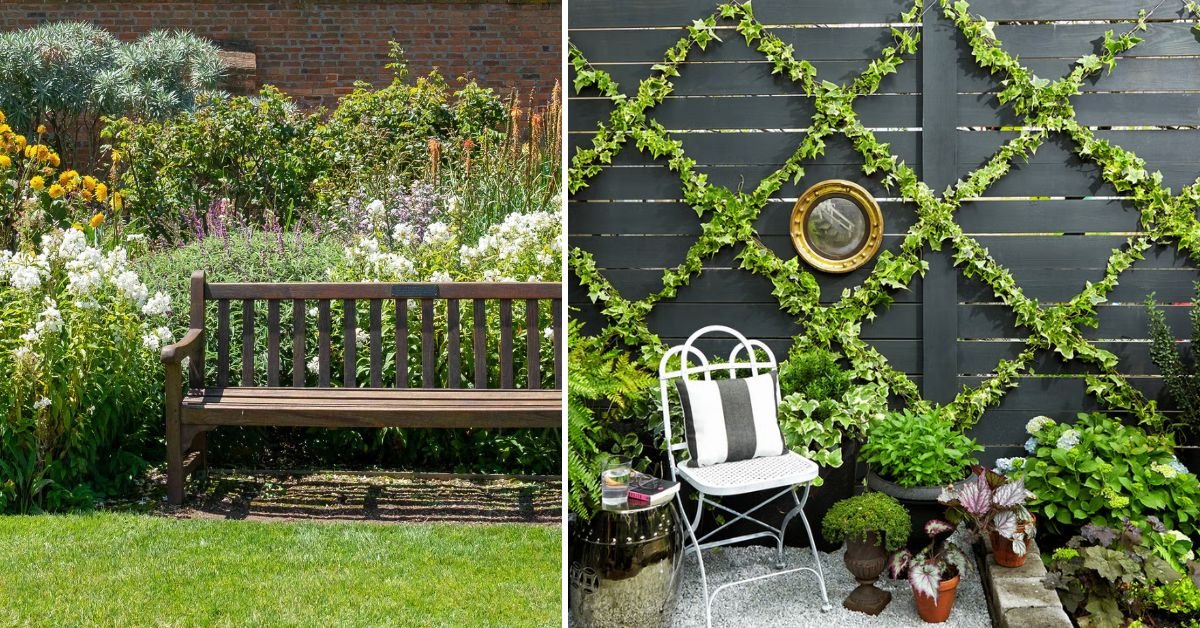
Gardening doesn’t have to be complicated, expensive, or time-consuming to be successful. In fact, some of the most productive and beautiful gardens are built on simple, smart ideas that work with nature rather than against it. Whether you’re a beginner with a small backyard or an experienced gardener looking to improve results, adopting highly effective growing techniques can completely transform your garden’s health, productivity, and appearance.
This guide explores practical, easy-to-follow gardening ideas that deliver impressive results without overwhelming effort. These techniques focus on efficiency, sustainability, and long-term success—helping your garden thrive season after season.
Start Smart: Understand Your Garden Before You Grow
One of the smartest gardening moves is observation. Before planting anything, take time to understand your garden’s natural conditions.
- Track sunlight patterns throughout the day
- Observe how water drains after rain
- Notice windy or shaded areas
- Identify soil type and moisture levels
By working with your garden’s existing conditions, you reduce plant stress and increase success rates. Choosing the right plants for the right place is far more effective than forcing unsuitable crops to survive.
Improve Soil the Simple Way
Healthy soil is the foundation of a thriving garden. Instead of relying heavily on chemical fertilizers, focus on improving soil naturally.
Easy Soil-Boosting Techniques
- Add compost regularly to enrich nutrients
- Use dried leaves or grass clippings as mulch
- Mix in organic matter to improve drainage and structure
- Avoid compacting soil by stepping only on pathways
Even poor soil can be transformed over time with consistent organic care. Rich, living soil supports stronger roots, better water retention, and healthier plants.
Mulching: A Small Step with Big Results
Mulching is one of the simplest yet most powerful gardening techniques. A layer of organic mulch offers multiple benefits:
- Retains soil moisture
- Suppresses weeds
- Regulates soil temperature
- Improves soil quality as it breaks down
Materials like straw, dried leaves, wood chips, or compost work well. Mulch reduces watering needs and creates a more stable growing environment—making your garden easier to maintain and more productive.
Water Wisely, Not Excessively
Overwatering is one of the most common gardening mistakes. Smart watering focuses on consistency and timing rather than quantity.
Effective Watering Tips
- Water early in the morning to reduce evaporation
- Water deeply but less frequently to encourage deep roots
- Target soil, not leaves, to prevent disease
- Use simple drip systems or perforated hoses for efficiency
Plants with deep roots are more drought-tolerant, healthier, and more productive. Proper watering saves time, conserves water, and prevents root problems.
Grow Vertically to Maximize Space
One of the smartest ideas for transforming any garden—especially small ones—is vertical growing. Instead of spreading plants outward, guide them upward.
Plants Perfect for Vertical Growing
- Tomatoes
- Cucumbers
- Beans
- Peas
- Flowering climbers
Using trellises, fences, or simple supports increases air circulation, reduces disease, and makes harvesting easier. Vertical gardening also adds visual interest and allows you to grow more in less space.
Companion Planting for Natural Balance
Companion planting is a time-tested technique where certain plants support each other’s growth.
Benefits of Companion Planting
- Repels pests naturally
- Attracts beneficial insects
- Improves pollination
- Enhances soil nutrients
For example, flowering plants attract pollinators, while aromatic herbs can deter harmful insects. This natural balance reduces the need for chemicals and creates a healthier garden ecosystem.
Prune and Harvest Regularly
Many gardeners underestimate the power of pruning and harvesting. Removing excess growth encourages plants to focus energy where it matters most.
- Prune dead or weak branches to improve airflow
- Pinch growing tips to encourage bushier plants
- Harvest vegetables regularly to promote continuous production
Frequent harvesting signals plants to keep producing, leading to higher yields and longer harvest seasons.
Choose Smart Plant Varieties
Selecting the right varieties can make a huge difference in garden success. Look for plants that are:
- Disease-resistant
- Suitable for your climate
- Fast-growing or high-yielding
- Low-maintenance
Native and locally adapted plants often perform better with less effort. They require less water, resist local pests, and support native wildlife.
Container Gardening for Flexibility
Containers are not just for balconies—they’re smart tools for any garden. They allow better control over soil, water, and sunlight.
Advantages of Container Gardening
- Ideal for poor or limited soil
- Easy to move with changing seasons
- Fewer weeds and soil-borne pests
- Perfect for herbs, vegetables, and flowers
Using containers lets you experiment, rotate crops, and protect sensitive plants more easily.
Encourage Beneficial Insects
A healthy garden isn’t just about plants—it’s about life. Beneficial insects play a vital role in pollination and pest control.
How to Attract Them
- Grow flowering plants
- Avoid chemical pesticides
- Provide water sources
- Leave some natural areas undisturbed
Ladybugs, bees, and butterflies help keep your garden productive and balanced naturally.
Keep It Simple and Consistent
The most effective gardens are not built overnight. They grow through consistency rather than perfection.
- Do small tasks regularly instead of big ones occasionally
- Observe plant behavior and adjust care accordingly
- Learn from mistakes rather than giving up
Simple habits practiced consistently lead to powerful, long-term results.
Transforming Your Garden, One Smart Idea at a Time
A great garden isn’t about having the biggest space or the most expensive tools—it’s about making smart choices. By improving soil health, watering wisely, growing vertically, and working with nature, you can transform even an ordinary garden into a productive, vibrant space.
These smart and simple techniques reduce effort, increase yields, and make gardening more enjoyable. Whether you’re growing vegetables, flowers, or a mix of both, applying these effective ideas will help your garden thrive naturally.
Final Thoughts
Gardening success comes from understanding, patience, and thoughtful action. With the right techniques, anyone can create a healthy, beautiful garden that produces abundantly without stress. Start with one or two ideas, apply them consistently, and watch your garden transform.