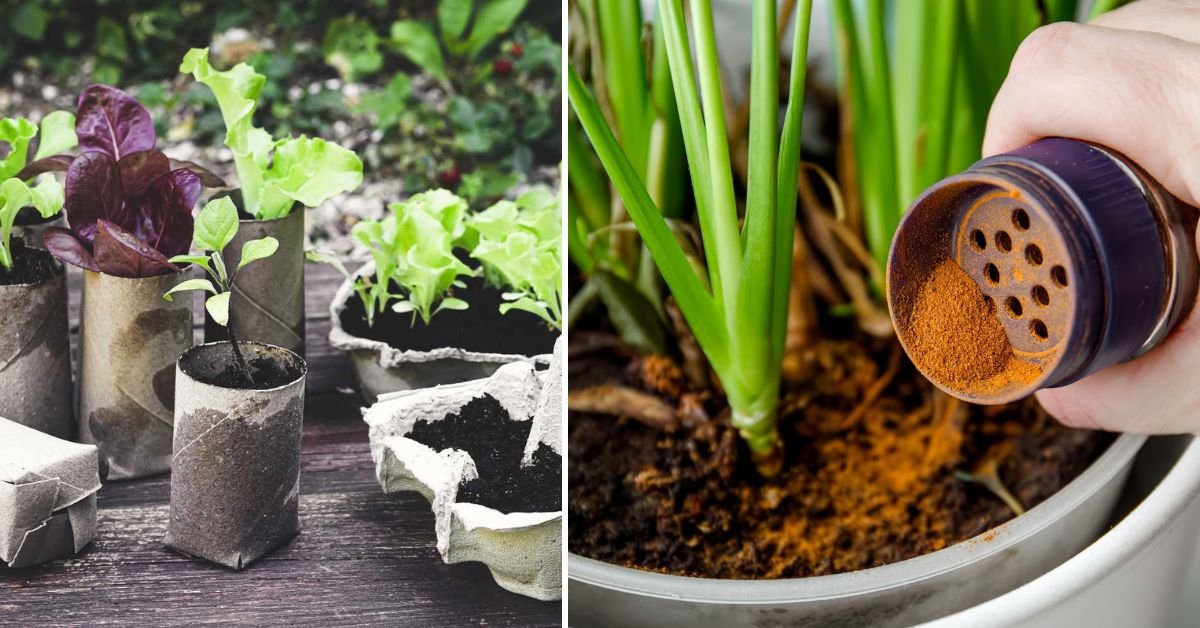
Gardening doesn’t always require expensive tools, rare fertilizers, or years of experience. Sometimes, the biggest improvements come from clever, simple ideas that make plant care easier and more effective. From using everyday household items to boosting plant growth naturally, smart gardening hacks can completely transform the way your garden looks and performs.
Whether you grow plants on a balcony, terrace, backyard, or windowsill, these creative techniques will help you save time, reduce waste, and grow healthier, more productive plants. Let’s explore some genius gardening hacks that truly make a difference.
1. Kitchen Waste That Works Like Magic in the Garden
Many items we throw away daily are packed with nutrients plants love.
Vegetable scraps such as carrot tops, onion skins, and cabbage bases can be composted or soaked in water to create a mild liquid fertilizer. This homemade “scrap water” can be used once a week to gently nourish plants.
Eggshells are rich in calcium. Crush them finely and mix them into potting soil to strengthen plant cell walls and help prevent blossom end rot in tomatoes and peppers.
Used tea leaves and coffee grounds improve soil structure and attract beneficial microorganisms. Just be sure not to overuse coffee grounds, as they can slightly increase soil acidity.
2. Self-Watering Hacks for Busy Gardeners
Consistent moisture is key to healthy plants, but daily watering isn’t always possible.
A simple self-watering trick is using plastic bottles. Make small holes in the sides, bury the bottle near the plant roots, and fill it with water. The moisture slowly seeps out, keeping soil evenly hydrated.
Another option is wick watering, where a cotton cloth or rope draws water from a container into the soil. This method is excellent for potted herbs and indoor plants.
These hacks reduce water stress, especially during hot weather.
3. Boost Seed Germination with Simple Techniques
If seeds fail to sprout, the issue is often temperature or moisture—not seed quality.
Soaking seeds overnight in warm water softens their outer coating and speeds up germination. For hard seeds, wrapping them in a damp paper towel and placing them in a warm spot can dramatically increase success rates.
For colder regions or winter sowing, placing seed trays on top of a refrigerator or near a warm window provides gentle heat that encourages faster sprouting.
4. Natural Growth Boosters You Already Have
Plants respond wonderfully to natural stimulants.
Banana peel water is rich in potassium and supports flowering and fruiting plants. Simply soak banana peels in water for 24 hours and dilute before watering.
Rice water, especially from washed rice, contains starch and micronutrients that promote root development. Use it fresh and avoid storing it for long periods.
Aloe vera water helps improve root growth and strengthens plant immunity when used occasionally.
5. Clever Pest Control Without Chemicals
Pests don’t always require harsh sprays.
A homemade garlic and chili spray repels aphids, caterpillars, and mites. Blend garlic and chili with water, strain, and spray on affected leaves in the early morning.
Neem oil diluted in water works as a natural pesticide and antifungal solution, making it one of the safest and most effective plant protection hacks.
You can also plant companion herbs like basil or mint near vegetables to naturally deter insects.
6. Space-Saving Vertical Gardening Tricks
Limited space doesn’t mean limited greenery.
Use hanging shoe organizers to grow herbs or leafy greens. Each pocket becomes a mini planter.
Old ladders, wooden pallets, or wall-mounted shelves can be converted into vertical gardens for succulents or small flowering plants.
Vertical gardening improves air circulation, reduces pest problems, and makes harvesting easier.
7. Smart Pruning and Training Techniques
Many gardeners hesitate to prune, but strategic cutting encourages healthier growth.
Pinching the growing tips of herbs like basil and mint promotes bushier plants. For flowering plants, removing faded blooms redirects energy into new buds.
Training vines on trellises, strings, or fences improves light exposure and keeps fruits clean and disease-free.
8. Improve Soil Health with Easy Fixes
Healthy soil means healthy plants.
Mulching with dried leaves, straw, or coconut husk conserves moisture, prevents weeds, and improves soil structure over time.
Adding earthworms or vermicompost boosts beneficial microbes and naturally aerates the soil.
Even rotating crops in pots each season helps prevent nutrient depletion and disease buildup.
9. Temperature Control Hacks for Extreme Weather
Plants are sensitive to sudden temperature changes.
During extreme heat, place light-colored stones or mulch on the soil surface to reflect heat and keep roots cool.
In colder months, covering plants with old bedsheets or garden fabric at night protects them from frost. Moving containers closer to walls also helps retain warmth.
These small adjustments can prevent major plant damage.
10. Recycling Everyday Items into Garden Tools
Creativity turns waste into useful tools.
Old spoons make perfect plant markers when labeled with permanent marker. Broken pots can be used as drainage material at the bottom of containers.
Even cardboard can act as a biodegradable weed barrier when placed under mulch.
These hacks reduce costs and promote eco-friendly gardening.
Final Thoughts
Great gardening isn’t about doing more—it’s about doing things smarter. With these creative and unique gardening hacks, you can improve plant health, save time, reduce waste, and enjoy better results with less effort. Whether you’re a beginner or an experienced gardener, small changes and clever techniques can lead to a greener, more productive space.
Try a few of these hacks, observe how your plants respond, and soon you’ll see how genius gardening techniques can truly transform your plants and your gardening experience.