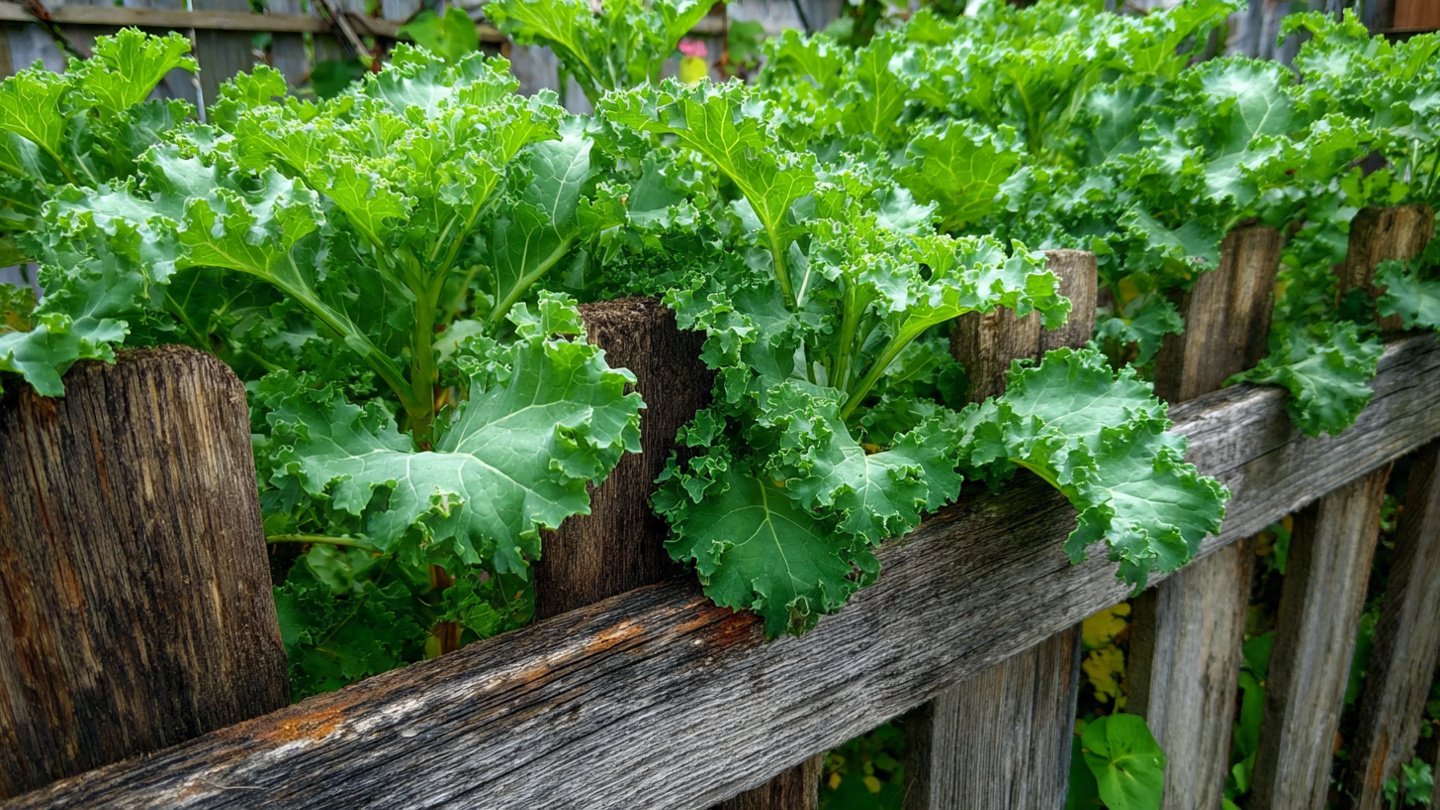
Kale is one of the most nutritious leafy greens you can grow at home. Rich in vitamins A, C, and K, packed with antioxidants, and incredibly versatile in the kitchen, kale has earned its place as a garden favorite. The best part? You don’t need a large garden, expensive tools, or fancy raised beds to grow it successfully.
With just a fence and a few plastic bottles, you can create a fresh kale garden that produces a continuous harvest for months. This simple, space-saving method is perfect for beginners, urban gardeners, and anyone looking to grow healthy food sustainably.
Why Kale Is Perfect for Continuous Harvesting
Kale is a “cut-and-come-again” vegetable. When harvested correctly, it keeps producing new leaves rather than stopping after one harvest.
Benefits of growing kale this way:
- Long harvest period (often 4–6 months)
- Grows well in small spaces
- Tolerates cool and mild weather
- Requires minimal maintenance
- Regrows quickly after cutting
This makes kale ideal for vertical or fence-based gardening systems.
Why Use a Fence and Plastic Bottles?
This method combines vertical gardening with recycling, making it both practical and eco-friendly.
Advantages:
- Saves ground space
- Improves air circulation
- Reduces pest and disease issues
- Uses readily available materials
- Encourages healthy, upright growth
Plastic bottles act as mini planters, while the fence provides natural support and structure.
Materials You’ll Need
You can set up this system in under an hour using simple items.
Basic supplies:
- Plastic bottles (1–2 liter size works best)
- A fence (wire, wooden, or metal)
- Scissors or cutter
- Nail or heated tool (for drainage holes)
- String, zip ties, or wire
- Potting soil or garden soil mix
- Kale seeds or seedlings
- Compost or organic fertilizer
This setup works equally well on garden fences, balcony railings, or backyard boundaries.
Step 1: Preparing the Plastic Bottles
Plastic bottles become your planting containers.
How to prepare them:
- Wash bottles thoroughly.
- Cut a rectangular opening on one side.
- Make 2–3 small drainage holes at the bottom.
- Optional: Make small side holes for tying.
Ensure drainage holes are clear—kale roots dislike sitting in water.
Step 2: Attaching Bottles to the Fence
Spacing is important for healthy growth.
Placement tips:
- Attach bottles horizontally or slightly tilted
- Leave 20–25 cm between bottles
- Arrange in vertical columns or staggered rows
- Ensure easy access for watering and harvesting
Secure bottles firmly so they don’t tilt when filled with soil and plants.
Step 3: Soil Mix for Healthy Kale Growth
Kale thrives in nutrient-rich, well-draining soil.
Ideal soil mix:
- 40% garden soil or potting mix
- 30% compost or vermicompost
- 20% coco peat or sand
- 10% aged manure (optional)
Mix well before filling the bottles. Loose soil encourages strong root development.
Step 4: Planting Kale Seeds or Seedlings
You can grow kale from seeds or young plants.
From seeds:
- Sow 2–3 seeds per bottle
- Cover lightly with soil
- Keep soil moist
- Thin to one healthy plant after germination
From seedlings:
- Transplant gently
- Plant slightly deeper than original soil level
- Press soil gently around roots
Seedlings give faster results, while seeds are more economical.
Step 5: Sunlight and Placement
Kale grows best with 4–6 hours of sunlight daily.
Best locations:
- East- or south-facing fences
- Balconies with morning sun
- Open areas with partial shade in hot climates
In very hot weather, some afternoon shade prevents leaf bitterness.
Step 6: Watering the Right Way
Bottle gardens dry out faster than ground soil.
Watering tips:
- Water lightly but frequently
- Keep soil evenly moist
- Avoid waterlogging
- Water early morning or evening
Mulching the soil surface with dry leaves or straw helps retain moisture.
Step 7: Feeding for Continuous Leaf Production
Regular feeding keeps kale productive.
Best feeding schedule:
- Compost or vermicompost every 2 weeks
- Liquid organic fertilizer every 10–15 days
- Avoid excessive nitrogen—moderation is key
Balanced nutrition ensures steady leaf growth without compromising flavor.
Step 8: Harvesting for Continuous Supply
Proper harvesting is the secret to endless kale.
How to harvest:
- Start harvesting when leaves are 20–25 cm long
- Cut outer leaves first
- Leave the central growing point intact
- Harvest every 7–10 days
Never remove all leaves at once—this slows regrowth.
Step 9: Managing Pests Naturally
Vertical growing reduces pests, but some may still appear.
Common pests:
- Aphids
- Caterpillars
- Whiteflies
Natural solutions:
- Neem oil spray once a week
- Hand-picking caterpillars
- Garlic or soap spray if needed
Good airflow along the fence also prevents fungal issues.
Step 10: Seasonal Care and Longevity
Kale prefers cooler temperatures but adapts well.
Seasonal tips:
- In summer: provide shade and extra water
- In winter: growth slows but continues
- Remove yellow or damaged leaves promptly
With good care, each plant can produce leaves for several months.
Why This Method Works So Well
This fence-and-bottle system:
- Maximizes vertical space
- Encourages healthy airflow
- Makes harvesting easier
- Reduces soil-borne diseases
- Promotes sustainability through recycling
It’s especially useful for urban homes, small yards, and balcony gardens.
Final Thoughts
You don’t need a large garden or expensive containers to grow fresh, nutritious kale. With just a fence and a few plastic bottles, you can create a smart vertical garden that delivers a continuous supply of tender, flavorful leaves.
This method is simple, affordable, eco-friendly, and perfect for beginners. Once you start harvesting your own kale regularly, you’ll never want to go back to store-bought greens again.
Healthy eating can start right outside your door—sometimes with nothing more than a recycled bottle and a little creativity.