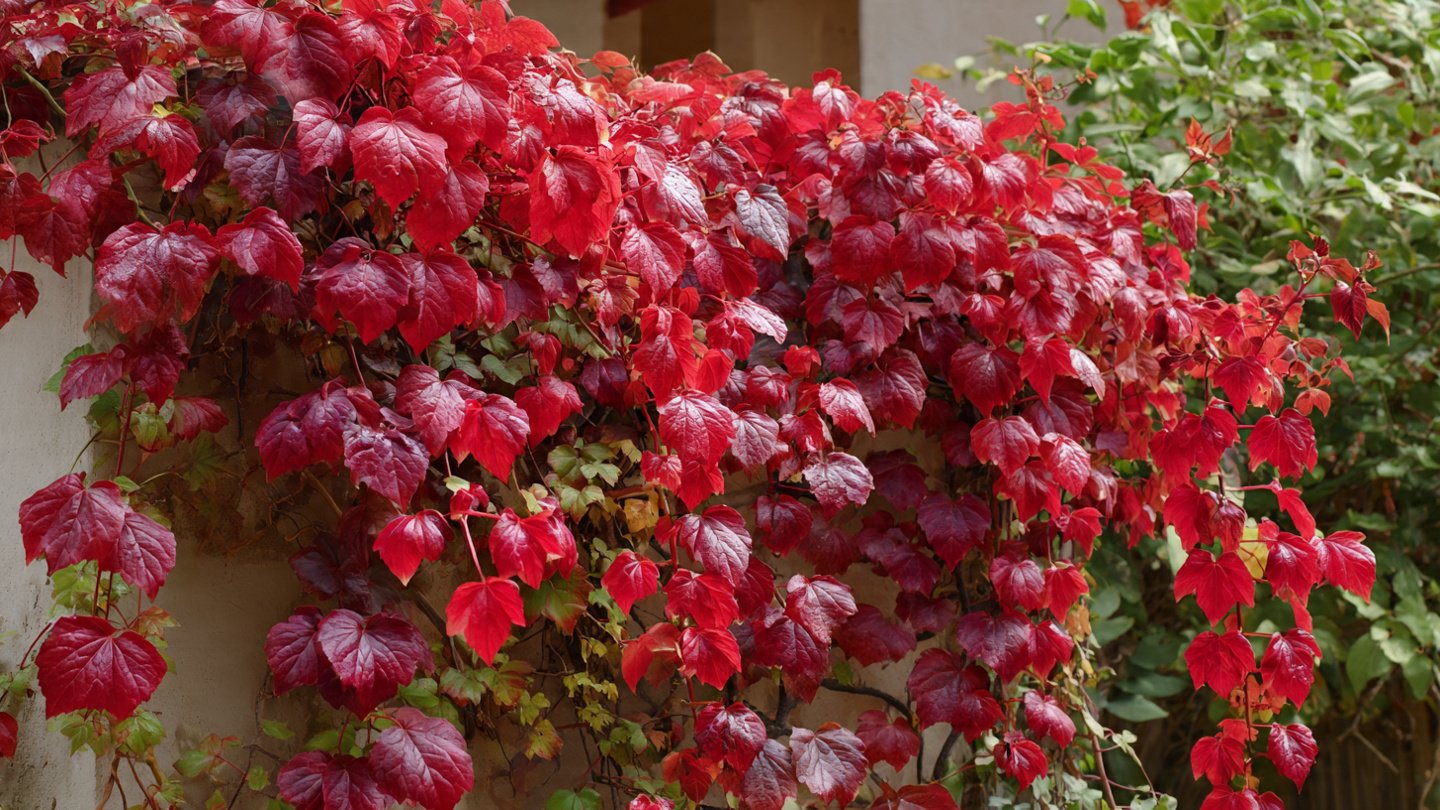
Red vining plants are some of the most striking additions you can make to your garden or indoor space. Their vibrant hues, trailing foliage, and dramatic impact make them a perfect choice for anyone looking to add a pop of color and texture. Whether draping over a trellis outdoors or cascading from a hanging pot indoors, red vines can transform any environment into a lively, eye-catching display. In this article, we’ll explore 11 beautiful red vining plants that can bring life to both your garden and your home.
1. Creeping Jenny (Lysimachia ciliata ‘Firecracker’)
Creeping Jenny is an excellent choice for gardeners looking to cover ground with a trailing plant that bursts with fiery red leaves in the fall. It’s hardy, low-maintenance, and creates a lush, colorful carpet that can spill over retaining walls or garden beds. Its bright red foliage adds depth to green landscapes, making it a standout in any garden design.
2. Red-Leafed Sweet Potato Vine (Ipomoea batatas)
Not just an edible plant, the ornamental red sweet potato vine is a fast-growing climber with lush, heart-shaped leaves in rich burgundy. Perfect for container gardening or as a trailing plant in mixed flower beds, it thrives in full sun and adds dynamic color to decks, patios, and window boxes.
3. Scarlet Runner Bean (Phaseolus coccineus)
The scarlet runner bean is both functional and ornamental. Its bright red flowers attract hummingbirds and pollinators, while its vines can cover fences, trellises, or pergolas. Beyond its beauty, it also produces edible beans, making it a practical choice for gardeners who want both aesthetics and harvest.
4. Hibiscus Vine (Hibiscus rosa-sinensis, Red Variety)
Hibiscus vines are tropical beauties, perfect for warm climates. Their large, vibrant red blooms bring instant drama to vertical gardens or balcony planters. When paired with green foliage, the red flowers create a striking contrast that brightens any space. Regular pruning helps encourage continuous flowering throughout the growing season.
5. Climbing Roses (Red Varieties)
Red climbing roses are timeless classics in any garden. They can be trained over arbors, trellises, and fences to create romantic, cascading walls of color. Their sweet fragrance combined with their bold red flowers makes them a sensory delight. Choose disease-resistant varieties to make maintenance easier while still enjoying stunning blooms.
6. Bougainvillea (Red or Magenta Varieties)
Bougainvillea is famous for its vibrant, papery bracts in shades of red, magenta, and purple. This hardy vine thrives in full sun and well-drained soil. Its vigorous growth allows it to cover walls, fences, or pergolas in a matter of months. Bougainvillea is drought-tolerant, making it perfect for gardeners in warm, sunny climates.
7. Coral Vine (Antigonon leptopus, Red Flowering)
Coral vine, also known as Mexican creeper, produces clusters of delicate red flowers that attract pollinators like bees and butterflies. Its rapid growth and cascading habit make it ideal for covering trellises and pergolas, creating a dramatic, flowing effect that draws the eye.
8. Morning Glory (Ipomoea purpurea, Red Varieties)
Morning glories are fast-growing, twining vines with trumpet-shaped blooms in deep red shades. They thrive in sunny spots and can climb fences, trellises, or window frames. Morning glories are perfect for adding vertical color without taking up too much ground space, and their flowers often open early in the morning, offering fresh, vibrant visuals daily.
9. Creeping Firethorn (Pyracantha ‘Red Cascade’)
Creeping firethorn is an evergreen vine with brilliant red berries that last through winter. Its dense growth makes it excellent for privacy screens or hedges. While it’s more ornamental than flowering, the red berries add festive color and attract birds to your garden during colder months.
10. Red Jasmine (Jasminum polyanthum)
Red jasmine, known for its fragrant red flowers, is perfect for indoor trellises, sunrooms, or garden pergolas. The scent of its blooms adds another layer of enjoyment, making it a favorite for gardeners looking to combine beauty with aroma. Regular pruning keeps the plant vigorous and promotes flowering.
11. Climbing Red Hydrangea (Hydrangea anomala petiolaris – Red Variety)
While traditionally known for white blooms, some climbing hydrangeas produce red-hued leaves or fall color. These slow-growing climbers attach naturally to walls and trellises, adding subtle but rich red accents throughout the season. Their textured foliage and delicate flowers create a layered, sophisticated look in both gardens and indoor settings.
Tips for Growing Red Vining Plants
- Choose the Right Location: Most red vining plants thrive in full sun to partial shade. Consider the lighting needs of each plant before planting.
- Support Structures: Install trellises, fences, or hanging baskets to guide their growth and enhance visual appeal.
- Watering and Soil: Well-draining soil and regular watering are crucial. Avoid overwatering, as this can cause root rot.
- Pruning: Regular pruning encourages bushier growth, more flowers, and prevents the vine from overtaking other plants.
- Fertilization: Use a balanced fertilizer during the growing season to promote lush growth and vibrant colors.
Indoor vs. Outdoor Red Vining Plants
Some red vining plants, like red jasmine and ornamental sweet potato vine, do well indoors with ample sunlight and proper care. Others, like bougainvillea and scarlet runner beans, are better suited for outdoor climates where they can receive full sun and space to climb. Choose plants based on your environment and the effect you want to achieve.
Conclusion
Red vining plants are not just beautiful—they’re versatile, dramatic, and functional additions to any garden or indoor space. From cascading flowers that attract pollinators to vibrant foliage that adds warmth and energy, these 11 red vines can transform dull corners into living art. Whether you’re a beginner gardener or an experienced plant enthusiast, incorporating these red vining beauties will bring color, texture, and life to your home and garden.