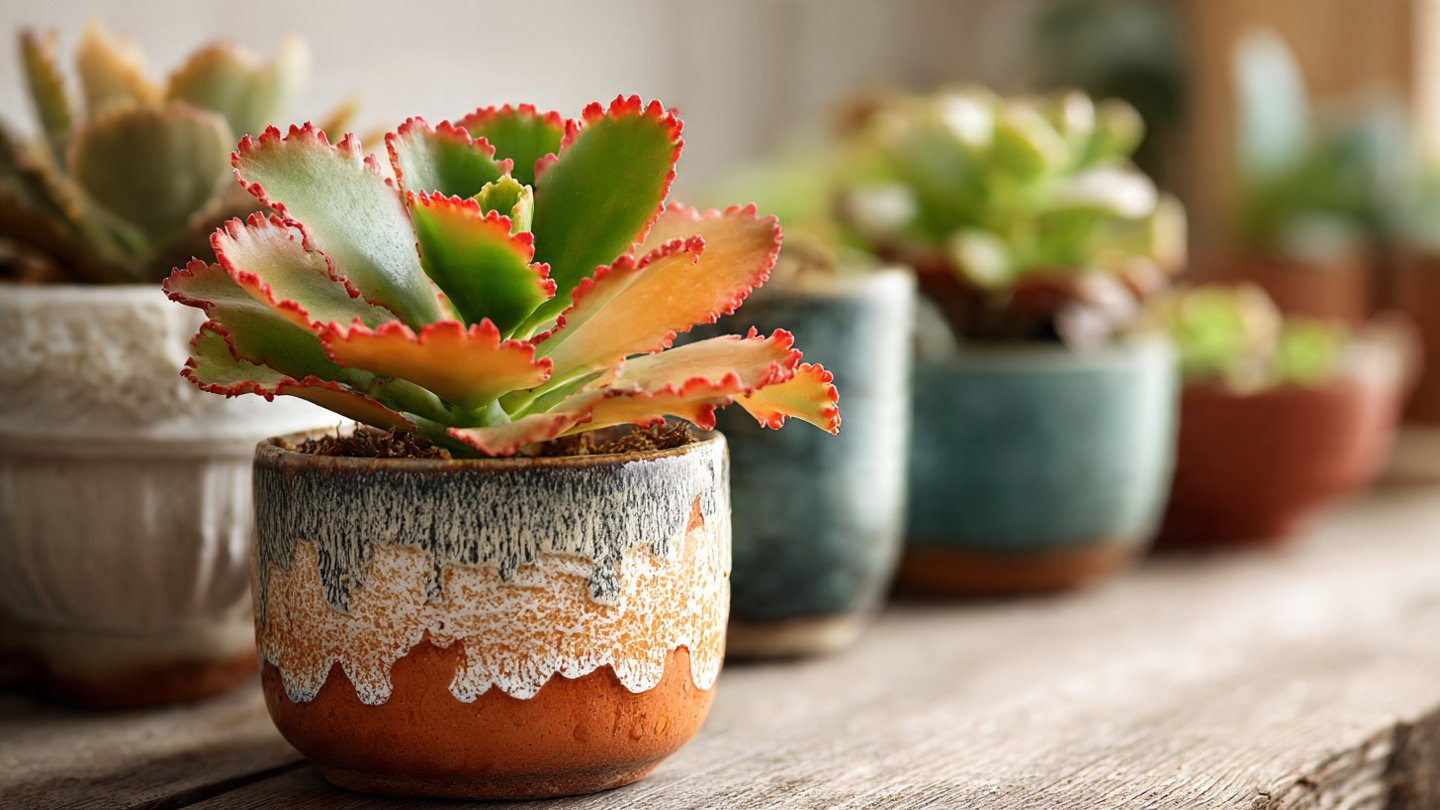
Kalanchoe plants are a favorite among indoor gardeners and succulent enthusiasts. Their vibrant, long-lasting flowers, attractive foliage, and low-maintenance nature make them ideal for brightening up homes, offices, and patios. However, like all succulents, Kalanchoe plants require careful attention to prevent common issues such as root rot and stunted growth. With the right care, you can ensure that your Kalanchoe thrives, develops healthy roots, and produces lush, colorful blooms year after year.
Understanding Kalanchoe Plants
Kalanchoe belongs to the Crassulaceae family and is native to Madagascar and tropical Africa. These plants are succulents, meaning they store water in their leaves, stems, and roots, allowing them to withstand periods of drought. Kalanchoe species vary in size and shape, from compact tabletop varieties to larger garden specimens, and their flowers can range in color from red, pink, and orange to yellow and white.
Because they are succulents, overwatering is the most common cause of problems like root rot, while under-watering can slow growth and weaken the plant. Healthy Kalanchoe plants have firm, fleshy leaves, strong stems, and vibrant flowers. Developing a solid understanding of their needs is essential to prevent rot and promote strong root development.
Choosing the Right Pot and Soil
A proper growing environment is crucial for Kalanchoe health. The first step is selecting the right pot and soil:
- Pot Selection: Choose a container with drainage holes to prevent water from pooling at the bottom. Kalanchoe roots are sensitive to excess moisture, and standing water can quickly lead to rot. Terracotta pots are ideal as they are porous and allow excess moisture to evaporate.
- Soil Composition: Use a well-draining soil mix specifically formulated for succulents or cacti. You can create your own by combining 2 parts potting soil, 1 part perlite, and 1 part coarse sand. This combination ensures that water drains quickly, reducing the risk of root rot and promoting healthy root growth. Avoid heavy garden soil or mixes that retain moisture for long periods.
Watering Practices to Prevent Root Rot
Watering is the most critical aspect of Kalanchoe care, and improper watering is the main cause of root rot:
- Check the Soil: Before watering, insert your finger about an inch into the soil. Only water if the soil feels completely dry. Succulents like Kalanchoe can tolerate dry periods much better than being overwatered.
- Watering Method: Water the plant deeply but infrequently. Pour water directly into the soil rather than over the leaves to avoid fungal growth. Ensure that water drains freely through the pot’s drainage holes.
- Seasonal Adjustments: During the growing season (spring and summer), Kalanchoe requires more water, while in the dormant season (fall and winter), reduce watering significantly. Overwatering in winter is a common mistake that leads to root rot.
Promoting Healthy Root Development
Strong, healthy roots are the foundation of a thriving Kalanchoe plant. Here’s how to encourage robust root growth:
- Start with a Healthy Plant: When purchasing a Kalanchoe, inspect the roots for firmness and absence of mushy or blackened areas. Healthy roots should be white or light-colored and firm to the touch.
- Repotting Carefully: Kalanchoe benefits from being repotted every 2-3 years to refresh soil and encourage root growth. When repotting:
- Gently remove the plant from its old pot.
- Inspect roots and trim any dead or damaged roots using sterilized scissors.
- Place the plant in fresh, well-draining soil.
- Use Root-Stimulating Techniques: For propagation or stressed plants, applying a light root stimulant or diluted liquid fertilizer can encourage new root development. Avoid excessive fertilization, which can harm roots and leaves.
Ensuring Proper Light Conditions
Kalanchoe plants thrive in bright, indirect sunlight. Light is essential for photosynthesis, flower production, and overall health:
- Ideal Placement: Place your Kalanchoe near a south- or west-facing window where it receives at least 4-6 hours of bright, indirect sunlight. Too little light results in leggy growth, while direct harsh sunlight can scorch the leaves.
- Artificial Light: If natural light is insufficient, especially during winter, use a full-spectrum grow light for 10-12 hours daily to mimic sunlight. Proper lighting also supports root health, as photosynthesis drives energy to the roots.
Fertilization for Optimal Growth
Balanced nutrition is key to keeping Kalanchoe plants vibrant without promoting excess water retention that could lead to rot:
- Type of Fertilizer: Use a succulent or cactus-specific fertilizer, which has the right nutrient ratio for Kalanchoe. Avoid high-nitrogen fertilizers, which encourage excessive leaf growth over flowering.
- Frequency: Fertilize once every 4-6 weeks during the active growing season (spring and summer). Skip fertilization in the dormant period to prevent nutrient buildup and stress.
- Dilution: Always dilute liquid fertilizers to half strength to avoid root burn. Overfertilizing can damage both roots and leaves.
Pruning and Maintenance
Regular pruning ensures healthy growth and reduces the risk of disease:
- Remove Dead or Yellow Leaves: Trim leaves that are yellow, soft, or wilting. These can harbor fungal infections or pests.
- Encourage Branching: Pinch back leggy stems to encourage a bushier, more compact growth habit. This not only improves the plant’s appearance but also strengthens its root system by supporting a balanced canopy.
- Deadheading Flowers: Remove spent flowers promptly to redirect energy toward root and foliage development rather than seed production.
Preventing Common Issues
Kalanchoe is generally hardy, but a few common problems can affect growth and root health:
- Root Rot: Overwatering and poor drainage are the main culprits. Signs include yellowing leaves, mushy stems, and foul-smelling soil. Immediate action is required: remove the plant from soil, trim damaged roots, let the plant dry for a few days, and repot in fresh soil.
- Pests: Mealybugs, aphids, and spider mites can attack Kalanchoe. Check leaves regularly and treat infestations with insecticidal soap or neem oil.
- Etiolation: Lack of sunlight causes stretching and weak growth. Move the plant to a brighter location to correct this.
Propagating Kalanchoe for Continuous Growth
Propagation is an excellent way to expand your collection and ensure plant longevity:
- Leaf Cuttings: Take a healthy leaf, let it dry for a day or two, then place it on well-draining soil. Roots and small plantlets will form in a few weeks.
- Stem Cuttings: Cut a healthy stem with a few leaves, allow it to callus for 2-3 days, and plant in soil. Keep lightly moist until roots develop.
- Rooting Success Tips: Always use sterilized tools and avoid overwatering during propagation to prevent rot.
Seasonal Considerations
Kalanchoe plants have specific needs in different seasons:
- Spring and Summer: Active growth and flowering. Provide ample sunlight, water moderately, and fertilize.
- Fall and Winter: Dormancy period. Reduce watering and avoid fertilization. Keep the plant in a bright but cooler spot to mimic natural seasonal cycles.
Enjoying a Thriving Kalanchoe
A well-cared-for Kalanchoe rewards its gardener with vibrant foliage, healthy roots, and long-lasting blooms. By providing the right soil, water, light, and care, you can prevent root rot and create an environment where your plant thrives year-round. The key lies in balance: avoiding overwatering, ensuring proper drainage, and providing adequate light and nutrients.
With patience and attention to detail, Kalanchoe plants can live for several years, producing a dazzling display of flowers that brighten any indoor or outdoor space. Healthy roots are the foundation of this success, supporting not just the plant’s structure but also its ability to absorb water and nutrients efficiently. By following these essential tips, gardeners can nurture Kalanchoe plants that flourish beautifully, free from rot, and develop strong, resilient roots capable of sustaining continuous growth.