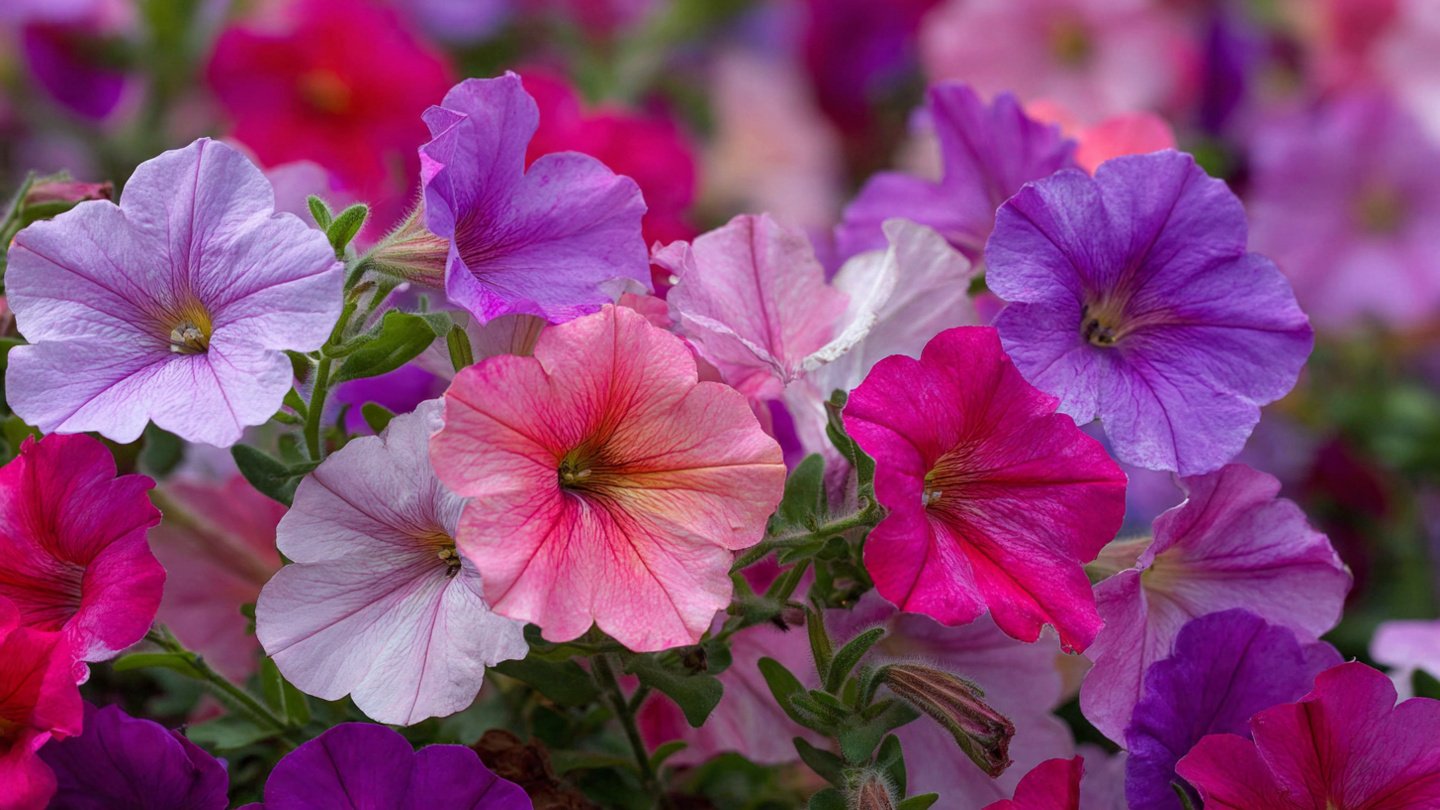
Petunias are one of the most popular flowering plants in gardens and balconies worldwide. Known for their bright, colorful blooms and long flowering season, petunias add life and charm to any outdoor or indoor space. However, gardeners often struggle with achieving compact growth and abundant blooms. Left unchecked, petunias can become leggy, sparse, and produce fewer flowers. Fortunately, with the right techniques, you can cultivate petunias that remain compact, healthy, and bursting with vibrant blooms all season. This guide will walk you through effective methods to grow petunias successfully, from planting to maintenance and bloom optimization.
Understanding Petunia Growth Patterns
Petunias are versatile annual plants that grow in a variety of forms, including trailing, spreading, and upright types. Compact growth and profuse flowering depend on both the variety you select and the care techniques you implement. Leggy growth usually occurs when plants receive uneven light, excessive nitrogen, or improper pruning. By managing these factors, you can maintain strong stems, dense foliage, and continuous blooming.
Selecting the Right Petunia Varieties
The foundation for compact growth starts with choosing the right variety:
- Grandiflora Petunias – Large flowers; ideal for containers but require careful pruning to prevent leggy growth.
- Multiflora Petunias – Smaller flowers, bushier plants, and more prolific blooms; excellent for mass planting.
- Wave or Trailing Petunias – Naturally spreading; perfect for hanging baskets and ground cover.
Selecting compact, bushy varieties from the start reduces the need for corrective pruning and helps maintain dense growth.
Preparing Soil for Healthy Roots
Petunias thrive in well-draining, nutrient-rich soil. The right soil ensures strong root development, which supports compact stems and vibrant flowers.
- Use a mix of garden soil, compost, and perlite or sand to improve drainage.
- Ensure the soil is slightly acidic to neutral (pH 6.0–7.0).
- Avoid heavy clay soils that retain water, as overwatering can weaken stems and reduce blooming.
Starting Petunias from Seeds or Transplants
Petunias can be grown from seeds, plugs, or nursery-bought plants. Starting from seeds allows more control over plant spacing and pruning practices:
Seed Method:
- Sow seeds in shallow trays filled with seed-starting mix.
- Keep the soil consistently moist but not waterlogged.
- Provide bright, indirect light; seedlings need 12–16 hours of light daily.
- Thin seedlings to prevent overcrowding, which encourages taller, weaker stems.
Transplant Method:
- Choose healthy young plants with strong stems and multiple leaves.
- Transplant into containers or garden beds after the last frost.
- Space plants 20–30 cm apart to allow airflow and prevent overcrowding.
Encouraging Compact Growth
Compact growth is achieved through several key techniques:
- Pinching and Pruning
- Pinch the tips of young petunias when they reach 6–8 inches in height. This encourages lateral branching, resulting in a fuller, bushier plant.
- Regularly remove spent blooms and leggy stems to redirect energy into new flower production.
- Proper Fertilization
- Use a balanced fertilizer with a higher phosphorus content to promote flowering rather than leafy growth.
- Avoid excessive nitrogen, which encourages leggy, leafy plants at the expense of blooms.
- Liquid fertilizers or slow-release granules can provide consistent nutrition for robust growth.
- Adequate Light Exposure
- Petunias require at least 6–8 hours of sunlight daily for optimal bloom production.
- Insufficient light causes spindly stems and sparse flowers.
- For indoor growing, supplement with LED grow lights if natural light is limited.
- Spacing and Airflow
- Proper spacing ensures airflow, reduces disease risk, and allows each plant to grow evenly.
- Overcrowding can result in weak, elongated stems and fewer flowers.
Watering Practices for Strong, Healthy Petunias
Watering correctly is essential for maintaining compact stems and vibrant blooms:
- Keep the soil consistently moist but avoid waterlogging.
- Water early in the morning to allow foliage to dry during the day, reducing fungal risks.
- For container-grown petunias, ensure drainage holes prevent excess water accumulation.
- Mulching around the base can help retain soil moisture and maintain stable root temperatures.
Boosting Flower Production
To encourage continuous, abundant blooms:
- Deadheading: Regularly remove faded flowers to stimulate new buds.
- Fertilization Schedule: Apply a phosphorus-rich fertilizer every 2–3 weeks during the flowering season.
- Pinching Growth Tips: Pinch new growth periodically to promote bushier plants with more flowering sites.
Trailers and spreading petunias can benefit from occasional trimming to encourage lateral growth and prevent overly long, sparse stems.
Preventing Common Petunia Problems
Even with proper care, petunias can face challenges that affect compact growth and bloom quality:
- Leggy Plants – Caused by inadequate light or excess nitrogen. Correct with pinching and adjusting fertilizer.
- Pests – Aphids, spider mites, and caterpillars can damage foliage and flowers. Use neem oil or insecticidal sprays as needed.
- Diseases – Powdery mildew and root rot can occur in overly wet or humid conditions. Ensure proper spacing and drainage.
- Wilting – Caused by under- or overwatering; maintain consistent moisture and avoid sudden temperature changes.
Seasonal Maintenance
- Spring: Prepare soil, transplant seedlings, and begin pinching for compact growth.
- Summer: Water regularly, fertilize, deadhead blooms, and monitor for pests.
- Fall: Gradually reduce watering and remove spent plants. Some varieties can overwinter indoors with adequate light.
Tips for Container and Balcony Gardening
Petunias are ideal for pots, hanging baskets, and window boxes:
- Use well-draining potting mix and containers with holes at the base.
- Pinch regularly to maintain compact growth.
- Ensure sufficient sunlight and rotate containers for even growth.
- Fertilize every 2–3 weeks with liquid fertilizer for sustained blooms.
Benefits of Compact, Vibrant Petunias
- Aesthetic Appeal: Bushy, well-maintained petunias create a colorful, lush display.
- Extended Blooming Season: Proper care ensures flowers last from spring through autumn.
- Resilience: Compact plants are stronger, less prone to wind damage or disease.
- Low Maintenance: Once trained to be bushy and healthy, petunias require minimal corrective pruning.
Conclusion
Growing petunias with compact growth and vibrant blooms is achievable with careful attention to variety selection, soil preparation, pinching, pruning, fertilization, and proper light and water management. By following these techniques, gardeners can enjoy lush, colorful petunias that enhance any garden, balcony, or indoor space.
With consistent care and the right practices, petunias will reward you with dense, healthy foliage and an abundant display of flowers, providing beauty and joy throughout the growing season. Whether you are a beginner or an experienced gardener, these methods ensure that your petunias stay strong, compact, and vibrant, creating a stunning floral display that is the envy of any garden.