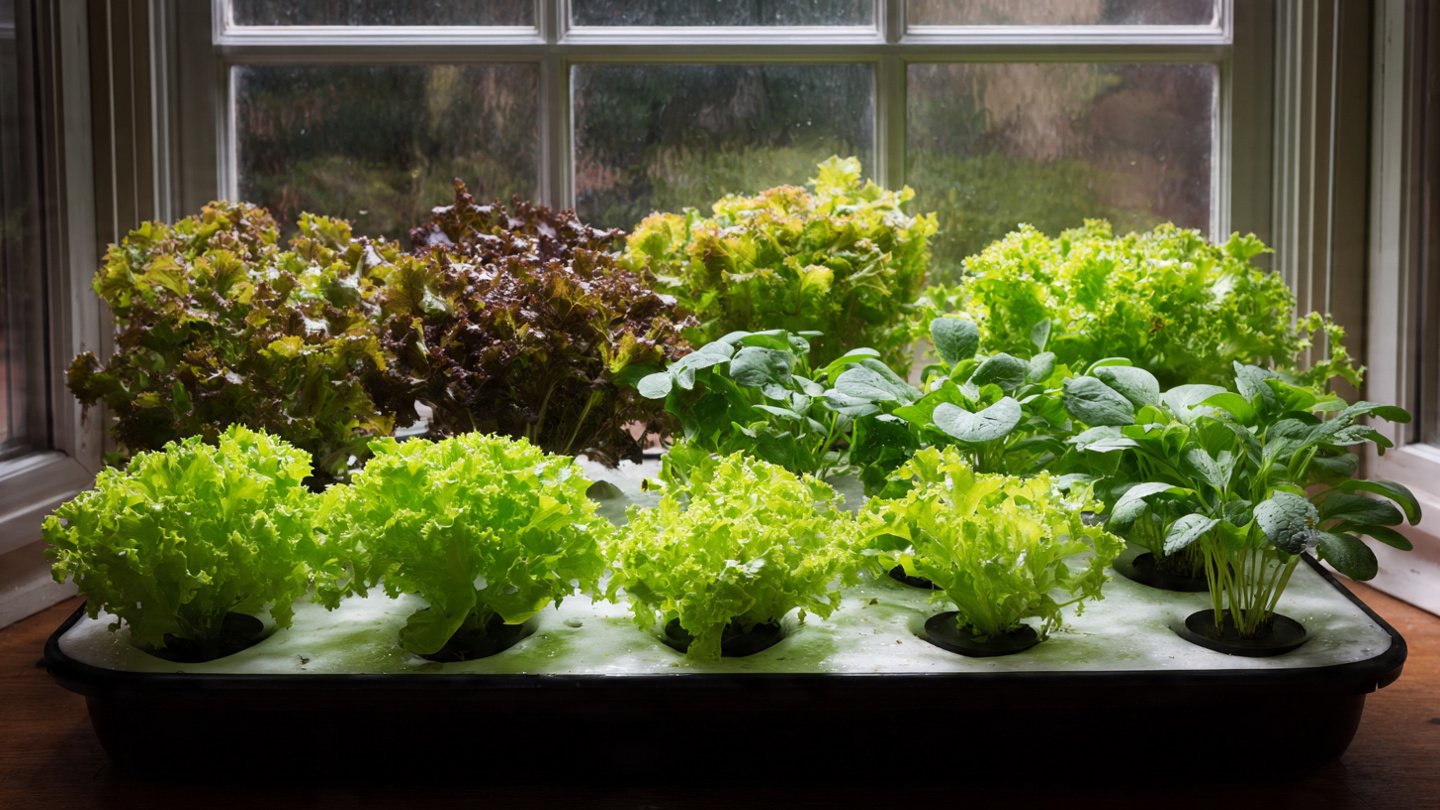
Growing fresh, nutritious mixed greens indoors is one of the most convenient and rewarding ways to ensure a steady supply of healthy vegetables, no matter the season. From crisp lettuce and peppery arugula to tender spinach and kale, mixed greens are rich in vitamins, minerals, and antioxidants, making them a perfect addition to salads, sandwiches, smoothies, and more. With the right techniques, anyone—whether a beginner or an experienced gardener—can cultivate vibrant, nutrient-packed greens in the comfort of their home throughout the year.
This comprehensive guide covers effective methods to grow mixed greens indoors successfully, maximizing yield, flavor, and nutritional content.
Why Grow Mixed Greens Indoors?
Indoor gardening offers multiple advantages over traditional outdoor planting, especially for leafy greens:
- Year-round availability: Grow greens regardless of weather or season.
- Space-efficient: Perfect for apartments, small kitchens, or balconies.
- Pest and disease control: Reduced exposure to insects and outdoor pathogens.
- Nutritional advantage: Freshly harvested greens retain maximum nutrients.
- Sustainability: Reduces dependence on store-bought produce and minimizes waste.
For busy urban dwellers, indoor mixed greens cultivation is a practical way to boost diet quality with minimal effort.
Choosing the Right Greens for Indoor Cultivation
Not all leafy vegetables are equally suitable for indoor growth. The best choices for mixed greens are fast-growing, compact, and adaptable to container or tray cultivation.
Popular Options Include:
- Lettuce (Loose Leaf, Butterhead, Red Leaf): Quick-growing, tender, and ideal for multiple harvests.
- Spinach: Nutrient-rich, prefers cooler conditions, and regrows well after trimming.
- Arugula: Fast-growing, spicy, and perfect for salads.
- Kale: Hardy, packed with antioxidants, and suitable for indoor trays or pots.
- Mustard Greens: Peppery flavor, grows quickly, and thrives in moderate light.
- Mizuna and Tatsoi: Asian greens that are compact and flavorful for year-round cultivation.
A mix of these greens not only enhances flavor but also diversifies the nutrients in your meals.
Selecting Containers and Growing Medium
Containers:
Indoor mixed greens require shallow, well-draining containers or trays. Options include:
- Plastic or ceramic pots with drainage holes
- Shallow seedling trays for multiple crops
- Recycled containers like food boxes or shallow baskets
For best results, use 10–15 cm deep containers for greens with shallow roots, and larger pots for deeper-rooted varieties like kale.
Growing Medium:
Healthy, nutrient-rich soil is critical for fast growth and maximum nutrition.
Recommended Indoor Soil Mix:
- 40% potting soil
- 30% compost or vermicompost for nutrients
- 20% coco peat or peat moss for moisture retention
- 10% perlite or sand for drainage
Loosely mix the ingredients and lightly moisten before sowing seeds. Avoid compact soil, which can stunt growth and reduce oxygen for roots.
Lighting Requirements for Year-Round Growth
Light is the most important factor for indoor plants. Greens require adequate light for photosynthesis, flavor, and color.
Natural Light:
- Place trays near south-facing windows for 4–6 hours of sunlight daily.
- Rotate containers to ensure uniform growth.
Artificial Light:
For spaces with limited sunlight, LED grow lights are ideal.
- Use full-spectrum lights for 12–16 hours per day.
- Position lights 20–30 cm above the greens.
- Use timers to maintain consistent light cycles, mimicking natural conditions.
Adequate lighting prevents leggy plants and ensures nutrient-dense leaves.
Watering Techniques for Healthy Indoor Greens
Proper watering is critical. Indoor greens thrive with consistent moisture but are sensitive to overwatering.
- Keep the soil evenly moist without waterlogging.
- Use a spray bottle to gently mist seedlings, especially in early stages.
- Water at the base rather than overhead to prevent fungal issues.
- Early morning or evening watering is ideal indoors to reduce evaporation and stress.
Too little water causes bitterness, while excess water can lead to root rot.
Sowing Seeds for Continuous Indoor Harvests
Sowing techniques determine both yield and growth rate.
Step-by-Step Sowing Method:
- Fill the container with moistened growing medium.
- Scatter seeds evenly, avoiding overcrowding.
- Cover lightly with a thin layer of soil or vermiculite.
- Mist gently and keep trays in a warm, bright spot.
- Germination occurs within 3–7 days for most greens.
Staggered Planting:
For continuous harvests, sow small batches every 7–10 days. This ensures fresh greens are always available without leaving trays idle.
Fertilization for Maximum Nutrition
Indoor mixed greens benefit from periodic feeding. Since they are harvested young, excessive fertilizer isn’t required.
- Mix compost or organic matter into the soil before planting.
- Apply liquid compost, diluted vermiwash, or seaweed extract every 10–14 days.
- Avoid high-nitrogen fertilizers once leaves develop to prevent soft, overly watery greens.
Organic nutrition enhances flavor and ensures chemical-free consumption.
Harvesting Mixed Greens Indoors
Indoor greens can be harvested multiple times using the cut-and-come-again method:
- Harvest outer leaves first, leaving the center intact.
- Trim gently with scissors or a sharp knife to avoid damaging roots.
- Baby greens can be harvested in 15–20 days, while mature leaves are ready in 25–35 days.
Regular harvesting encourages regrowth, ensuring a continuous supply.
Common Indoor Growing Challenges and Solutions
Even indoors, gardeners may face some issues:
- Leggy plants: Caused by insufficient light—add grow lights or move trays closer to windows.
- Yellowing leaves: Often due to nutrient deficiency or overwatering.
- Powdery mildew or mold: Improve airflow and avoid overhead watering.
- Slow growth: Check soil quality, light, and watering frequency.
Regular monitoring and quick intervention prevent small problems from affecting yield.
Additional Tips for Thriving Indoor Mixed Greens
- Temperature Management: Maintain 18–25°C for most leafy greens. Avoid extreme heat or cold.
- Air Circulation: A small fan can improve airflow, reduce fungal issues, and strengthen leaves.
- Companion Planting: Mix different greens to maximize space and harvest variety.
- Clean Environment: Remove dead leaves and debris to reduce pests and disease.
- Hydroponic Option: For maximum yield, consider growing greens in water with nutrient solutions.
Advantages of Growing Greens Indoors Year-Round
- Provides fresh, vitamin-rich vegetables anytime
- Reduces trips to the grocery store
- Minimizes exposure to pesticides and chemicals
- Encourages healthy eating habits
- Offers a satisfying and stress-relieving hobby
Indoor gardening transforms even small spaces into productive green oases.
Final Thoughts
Growing nutritious mixed greens indoors year-round is achievable with the right techniques, containers, lighting, and care. By selecting fast-growing, compact varieties, maintaining proper moisture, and practicing staggered planting, you can enjoy a continuous harvest of fresh, flavorful leaves. Indoor greens cultivation not only enhances your diet but also provides a rewarding connection with food and nature.
With dedication, proper planning, and these effective methods, anyone can turn a windowsill, balcony, or kitchen corner into a thriving indoor garden that produces healthy mixed greens every week—no matter the season.