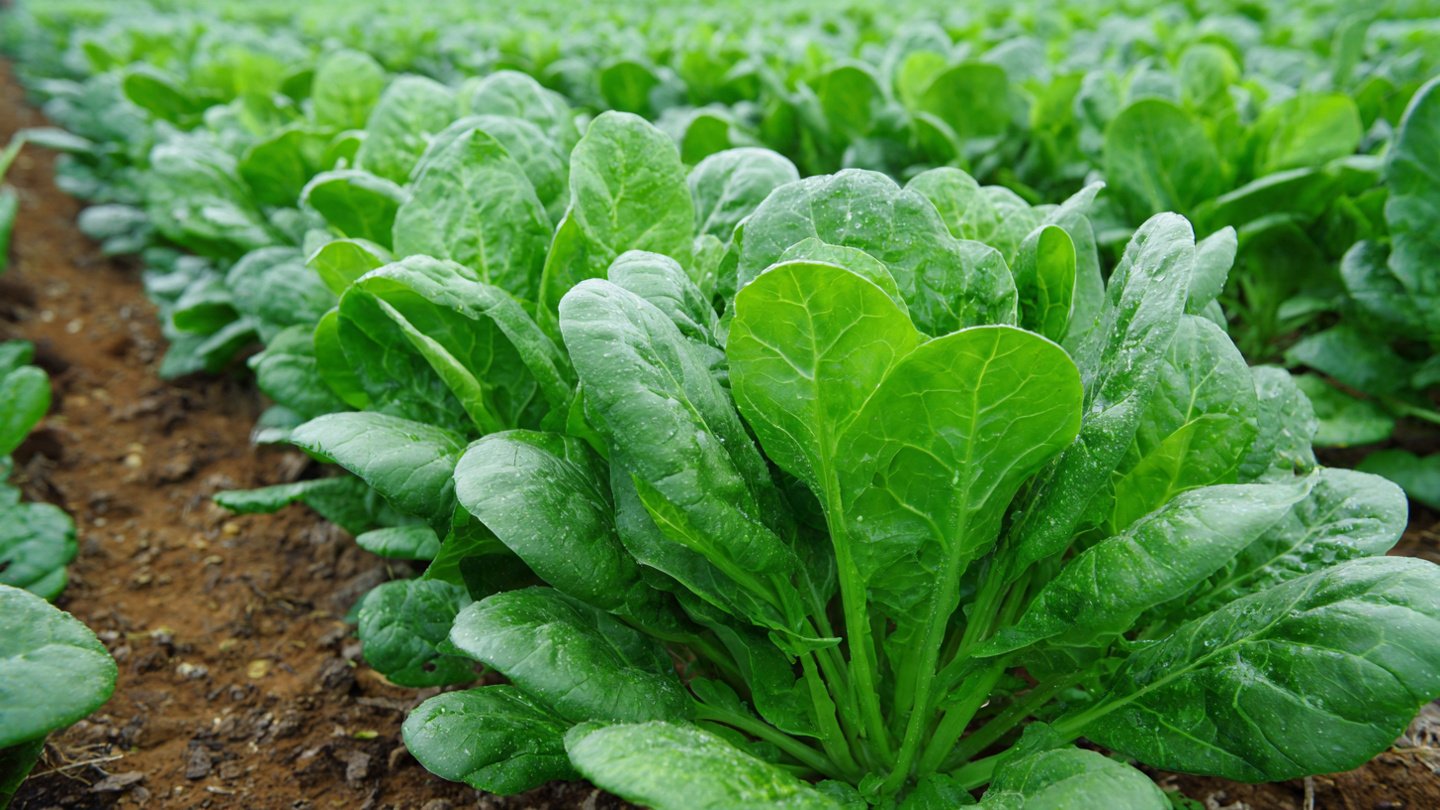
Palak, commonly known as spinach, is one of the most popular leafy greens grown in home gardens. Rich in vitamins, minerals, and antioxidants, it is a staple in many cuisines worldwide. However, one of the major challenges gardeners face while growing palak is bolting—when the plant prematurely produces a flower stalk, causing the leaves to become bitter and less palatable. Successful cultivation requires understanding the factors that trigger bolting and implementing strategies to prevent it, ensuring a continuous supply of fresh, tender leaves.
This guide provides a comprehensive overview of effective strategies for cultivating palak while preventing bolting, helping both beginners and experienced gardeners achieve lush, healthy crops.
Understanding Bolting in Palak
Bolting occurs when a plant prematurely shifts from vegetative growth (leaf production) to reproductive growth (flowering). In palak, this is often triggered by:
- High Temperatures: Spinach prefers cooler climates, and heat stress accelerates flowering.
- Day Length: Long daylight hours can signal the plant to produce flowers.
- Nutrient Deficiency: Inadequate nutrients, particularly nitrogen, can weaken the plant and trigger bolting.
- Water Stress: Irregular watering can stress the plant and accelerate flowering.
Recognizing these triggers allows gardeners to adopt preventive measures that extend the leaf-producing phase.
Choosing the Right Varieties
Selecting bolting-resistant varieties is the first step to successful palak cultivation:
- All Seasons Varieties: These are suitable for multiple planting cycles and tolerate temperature fluctuations.
- Hybrid Varieties: Hybrids like Indian Summer or Pragati are known for their delayed bolting and longer harvesting periods.
- Local Varieties: Sometimes, indigenous varieties adapt better to local climate and resist bolting.
Choosing the right seeds tailored to your climate ensures a healthier crop and reduces the risk of premature flowering.
Selecting the Ideal Location
Palak thrives in cool, partially sunny conditions:
- Sunlight: Provide 4–6 hours of direct sunlight in cooler climates, and partial shade in hotter regions to reduce heat stress.
- Soil: Loose, fertile, well-drained soil rich in organic matter supports healthy root development.
- Air Circulation: Proper spacing (6–8 inches between plants) ensures good airflow and reduces heat accumulation.
A well-chosen location prevents stress and helps maintain vegetative growth.
Soil Preparation and Fertility
Healthy soil is crucial for robust palak plants:
- Soil Testing: Check pH and nutrient levels before planting. Palak grows best in slightly acidic to neutral soil (pH 6.0–7.0).
- Organic Matter: Incorporate compost or well-rotted manure to improve fertility, moisture retention, and microbial activity.
- Nutrient Management: Nitrogen-rich fertilizers encourage leafy growth, while potassium and phosphorus support root and overall plant health.
- Soil Aeration: Loosen soil to prevent compaction, which can stress the plant and trigger bolting.
Balanced soil ensures healthy leaf production and delays flowering.
Sowing Palak Seeds
Proper sowing techniques are essential for preventing bolting:
- Timing: Sow seeds in cooler months (spring or autumn) to avoid heat-induced flowering.
- Seed Depth: Plant seeds ½–1 inch deep in well-prepared soil.
- Spacing: Thin seedlings to 6–8 inches apart to prevent overcrowding and reduce stress.
- Succession Planting: Sow seeds every 2–3 weeks for continuous harvest and to avoid mature plants being exposed to heat all at once.
Following proper sowing practices increases germination rates and establishes strong plants resistant to bolting.
Watering Strategies
Consistent and adequate watering is critical for preventing bolting:
- Frequency: Keep soil consistently moist, particularly during dry spells or hot weather.
- Avoid Water Stress: Both drought and overwatering can stress plants, triggering premature flowering.
- Mulching: Use organic mulch like straw or dried leaves to retain moisture, reduce soil temperature, and suppress weeds.
Well-managed watering maintains optimal growth conditions and reduces the risk of heat-induced bolting.
Temperature and Climate Management
Temperature control is key to preventing bolting in palak:
- Cool Climate Preference: Palak grows best at 15–20°C (59–68°F). Temperatures above 25°C (77°F) often trigger flowering.
- Shade Nets: In hot climates, use shade nets to reduce heat and protect plants from direct sunlight during peak hours.
- Indoor Cultivation: For extreme climates, consider container planting indoors with temperature control.
Managing temperature ensures the plant remains in its vegetative phase longer.
Fertilization and Nutrient Management
Proper nutrition supports leaf growth and delays flowering:
- Nitrogen Application: Nitrogen-rich fertilizers encourage leafy development. Apply half-strength organic or synthetic nitrogen fertilizer every 2–3 weeks.
- Balanced Fertilizers: Include phosphorus and potassium to strengthen roots and overall plant health.
- Foliar Feeding: Apply liquid fertilizers to leaves during early growth stages for immediate nutrient absorption.
Balanced fertilization prevents nutrient stress, a common cause of bolting.
Pruning and Leaf Harvesting
Regular harvesting techniques also influence bolting:
- Cut-and-Come-Again Method: Harvest outer leaves first, leaving the central growing point intact.
- Regular Removal: Prevent leaves from becoming too mature or tough, which can stress the plant.
- Avoid Overharvesting: Removing too much foliage at once can trigger stress and lead to early flowering.
Proper harvesting encourages continuous leaf production and maintains plant vigor.
Pest and Disease Management
Healthy plants are less prone to bolting. Preventative care includes:
Common Pests:
- Aphids: Spray with neem oil or soapy water.
- Leaf Miners: Remove affected leaves immediately.
- Cutworms: Protect young seedlings with collars or organic deterrents.
Common Diseases:
- Downy Mildew: Ensure good spacing, avoid waterlogging, and provide adequate air circulation.
- Root Rot: Drainage and careful watering prevent fungal infections.
Maintaining plant health reduces stress and helps delay bolting.
Additional Tips to Prevent Bolting
- Succession Planting: Plant new seeds every 2–3 weeks to avoid all crops maturing during high temperatures.
- Companion Planting: Grow palak alongside heat-tolerant plants or herbs to provide partial shade.
- Early Harvest: Harvest young leaves for maximum tenderness and minimal stress on the plant.
- Container Gardening: Use portable trays or pots to move plants into shaded areas during hot periods.
These strategies collectively reduce environmental stress, ensuring prolonged leaf production.
Final Thoughts
Bolting is a common challenge in palak cultivation, but with proper planning and care, it can be effectively managed. Choosing bolting-resistant varieties, preparing fertile soil, maintaining consistent watering, controlling temperature, and implementing proper harvesting techniques are essential for successful cultivation. Regular monitoring, pest management, and succession planting further ensure a steady supply of fresh, tender leaves.
For beginners and experienced gardeners alike, following these strategies leads to healthier plants, longer harvest periods, and a garden full of vibrant, nutrient-rich palak. By understanding the needs of your plants and addressing environmental stress factors, you can enjoy continuous, high-quality leafy greens all season long.