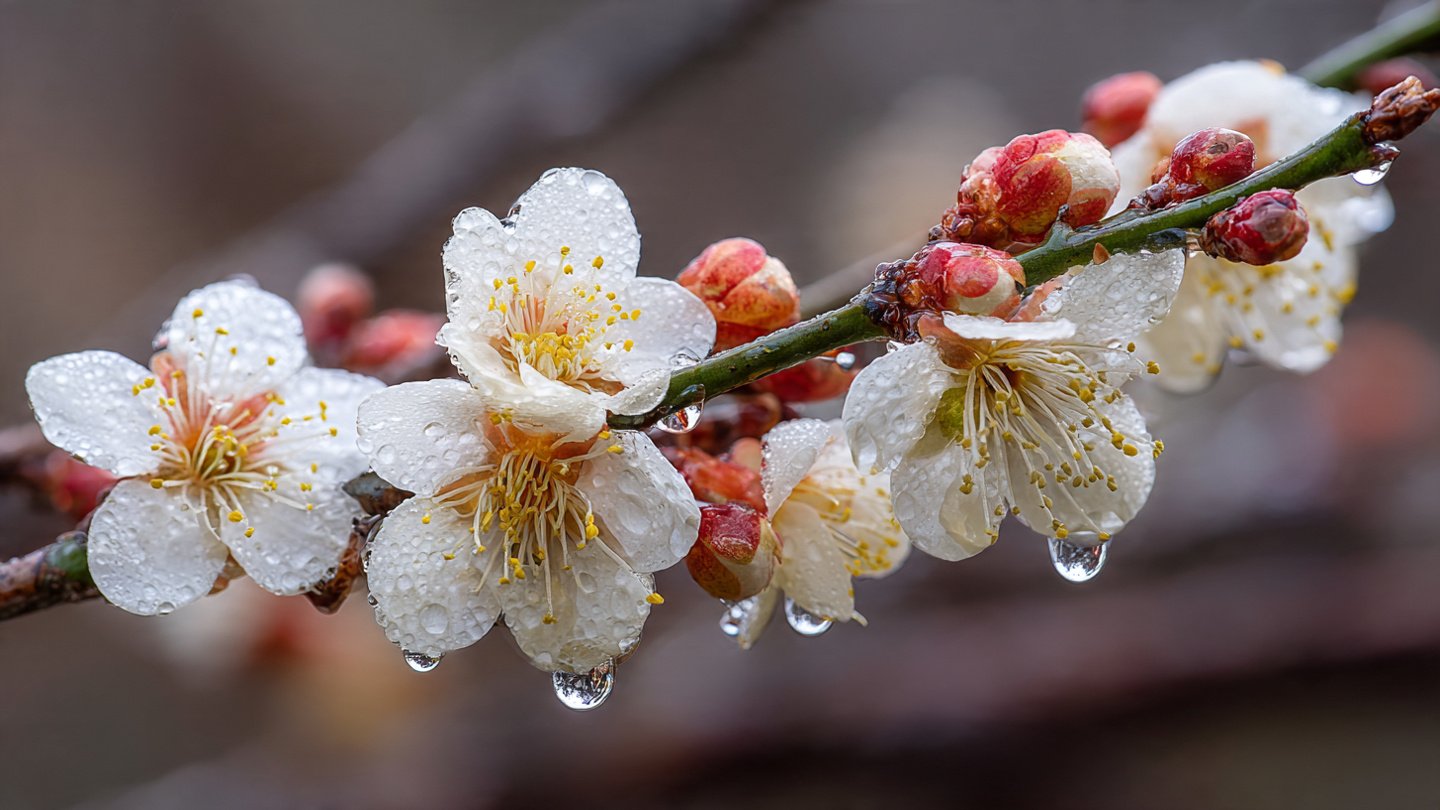
Plum trees are treasured for their delicate blossoms, which herald the arrival of spring and set the stage for a fruitful season. However, these beautiful flowers are incredibly vulnerable to frost and late winter chills. A sudden cold snap can damage blossoms, reduce fruit set, and even impact the long-term health of your tree. Protecting plum blossoms requires a combination of careful planning, timing, and proactive techniques. In this article, we explore effective strategies to safeguard your plum blossoms from the perils of frost and ensure a healthy, productive harvest.
Understanding the Vulnerability of Plum Blossoms
Plum trees, particularly early-blooming varieties, are highly susceptible to frost damage. Blossoms are tender, and temperatures just below freezing can damage or kill them, reducing the tree’s ability to produce fruit. The most critical period is when the buds are swelling or the flowers are fully open, as frost during this stage can have catastrophic consequences.
Key points to understand about plum blossom vulnerability:
- Temperature Sensitivity: Plum blossoms can suffer damage at temperatures as high as 28–30°F (-2 to -1°C).
- Stage of Development: Green buds are more resilient than open blossoms. Once petals start unfolding, the risk of frost damage increases dramatically.
- Duration of Frost: A brief frost may cause minimal damage, but prolonged exposure to freezing temperatures can devastate flowers.
Selecting Frost-Resistant Plum Varieties
One of the first lines of defense is choosing varieties that are naturally more resilient to late frosts. Some plum cultivars have evolved to bloom slightly later, avoiding the early spring chills that can damage flowers. Examples include certain Japanese and European plum varieties known for later flowering times. By selecting the right cultivar for your region, you can reduce the risk of frost damage without relying solely on intervention strategies.
Microclimate Management
Microclimate refers to the specific conditions around your plum tree that can influence frost occurrence. You can manipulate the microclimate to reduce frost exposure:
- Planting Location: Avoid low-lying areas where cold air tends to settle. Choose higher ground or slopes with good drainage and airflow.
- Windbreaks: Erecting fences, hedges, or natural windbreaks can reduce cold wind exposure, which exacerbates frost damage.
- Soil Moisture: Moist soil retains heat better than dry soil, providing a small but important buffer against frost. Regular watering before frost-prone nights can be beneficial.
Physical Protection Techniques
When a frost warning is issued, physical protection of plum blossoms becomes critical. Several effective methods can be employed:
- Frost Cloths and Row Covers: Lightweight fabrics designed to trap heat can be draped over trees. Ensure the covers extend to the ground and are supported to avoid crushing blossoms.
- Mulching: A thick layer of organic mulch around the base of the tree helps retain soil warmth and moderate temperature fluctuations.
- Temporary Greenhouses or Tunnels: For smaller trees or young orchards, temporary structures can create a controlled environment that shields blossoms from frost.
- Water Sprinklers: A surprising but effective method is using overhead sprinklers. When water freezes, it releases latent heat, keeping the temperature around the blossoms at or just above freezing. Proper setup and monitoring are crucial to avoid ice damage.
Timing and Monitoring
Effective frost protection requires vigilance. Monitoring weather forecasts and understanding local frost patterns are essential. Techniques include:
- Using Frost Alerts: Many agricultural services provide frost alerts, allowing gardeners to prepare in advance.
- Observation of Bud Development: Tracking the stages of blossom development helps determine when your trees are most vulnerable. Protective measures should coincide with the most sensitive periods.
- Nighttime Protection: Covering trees in the evening before frost settles, and removing covers in the morning after temperatures rise, prevents damage without suffocating the blossoms.
Pruning and Tree Health
Healthy plum trees are more resilient to frost. Proper pruning encourages strong growth and improves air circulation, which can reduce frost pockets around the blossoms. Key tips:
- Late Winter Pruning: Avoid pruning immediately before expected frost events, as this can stimulate new growth that is extremely frost-sensitive.
- Structural Pruning: Maintain a strong branch framework to prevent blossom damage from wind and ice accumulation.
- Tree Nutrition: Well-fertilized trees with balanced nutrients tend to recover faster from frost stress. Avoid excessive nitrogen late in the season, which can promote tender growth vulnerable to frost.
Long-Term Strategies
Frost protection is not just about immediate interventions; long-term planning is equally important.
- Delayed Pruning: For some regions, delaying pruning until after the risk of frost reduces the chance of early bud development.
- Interplanting: Planting plum trees near other heat-retaining plants or structures can create a microclimate that mitigates frost risk.
- Site Selection for New Trees: For new orchards, carefully assess local frost patterns and choose sites less prone to late cold snaps.
Combining Multiple Approaches
The most effective frost protection strategies usually combine several techniques. For instance, a grower might select a frost-resistant variety, plant it in a slightly elevated location, apply mulch around the base, and cover the tree with a frost cloth during a predicted cold night. By layering strategies, you maximize protection while minimizing labor and resources.
Signs of Frost Damage
Even with precautions, frost can sometimes affect plum blossoms. Recognizing damage early can help in mitigating losses:
- Discolored Petals: Brown or blackened petals indicate frost exposure.
- Wilted Blossoms: Flowers may droop or appear shriveled.
- Reduced Fruit Set: If frost has killed some blossoms, fruit production will naturally be lower.
Pruning away severely damaged blossoms and branches can help the tree redirect energy to surviving flowers and improve overall recovery.
Conclusion
Protecting plum blossoms from frosty nights and late winter chill is a blend of science, observation, and practical intervention. By understanding the vulnerabilities of your trees, selecting resilient varieties, managing microclimates, and applying physical protection, you can significantly reduce frost damage. Long-term planning, such as site selection and tree health management, further enhances resilience.
Plum blossoms are not just beautiful—they are the promise of a fruitful season ahead. Taking proactive steps to shield them ensures that your trees thrive, producing vibrant flowers and bountiful harvests. With vigilance, careful planning, and the right strategies, frost need not be a gardener’s nightmare but a manageable challenge.