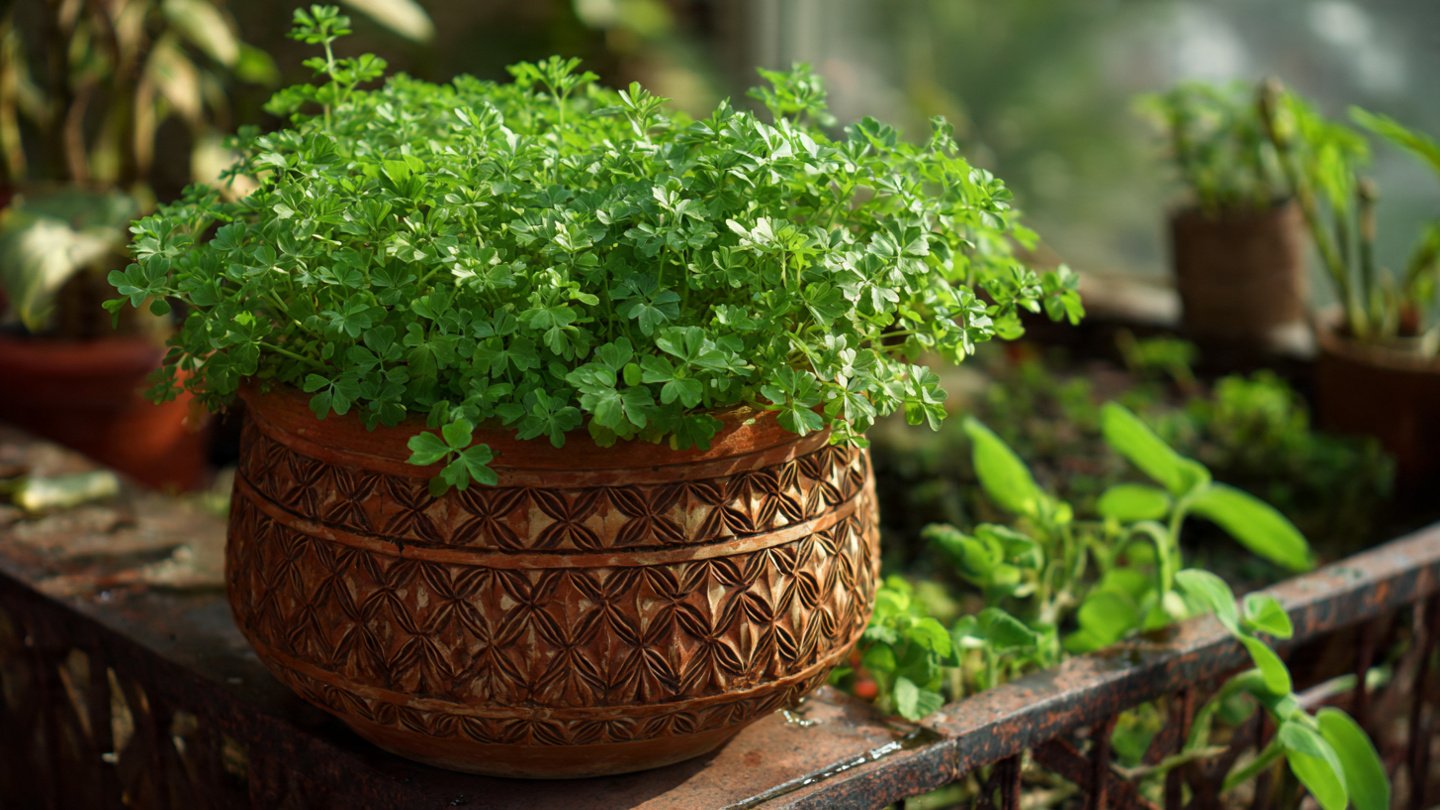
Kasuri Methi, also known as dried fenugreek leaves, is a fragrant herb widely used in Indian and South Asian cuisine. Its distinct aroma and slightly bitter taste make it a staple for enhancing curries, breads, and snacks. While fresh Methi (fenugreek) is commonly available in markets, growing Kasuri Methi at home in pots allows you to enjoy its fresh leaves and later dry them for long-term use. Growing Kasuri Methi in containers is easy, requires minimal space, and is ideal for urban gardeners or anyone with a balcony or small patio. This guide will walk you through simple techniques to cultivate Kasuri Methi in pots, ensuring a healthy, aromatic harvest.
Why Grow Kasuri Methi at Home?
Growing Kasuri Methi at home offers several benefits:
- Freshness and Flavor: Freshly harvested Methi leaves have a stronger aroma and flavor than store-bought dried leaves.
- Convenience: Having Methi in pots at home means you can pluck leaves as needed, reducing trips to the market.
- Space-Saving: Container gardening is perfect for small spaces, balconies, or windowsills.
- Organic Cultivation: Growing at home allows you to avoid pesticides or chemical fertilizers.
- Cost-Effective: A small investment in seeds and pots can yield repeated harvests over several months.
Selecting the Right Seeds
Kasuri Methi is a variety of fenugreek that produces aromatic, slightly bitter leaves. For the best results:
- Purchase certified Kasuri Methi seeds from a nursery or online supplier.
- Look for high germination rates and disease-free seeds.
- If using kitchen-saved seeds, ensure they are untreated and fresh.
Using the right seeds ensures robust growth and flavorful leaves.
Choosing the Right Container
Kasuri Methi grows well in containers, but the type of pot you choose affects plant health and yield.
- Size:
- Opt for pots that are at least 8–10 inches deep to accommodate the root system.
- Wider containers allow multiple plants to grow together for a larger harvest.
- Material:
- Terracotta or clay pots are ideal as they allow air circulation and prevent waterlogging.
- Plastic pots are lightweight and retain moisture but ensure they have drainage holes.
- Drainage:
- Proper drainage is essential to prevent root rot.
- Place small stones or broken pottery at the bottom of the pot to improve drainage.
Preparing the Soil
Kasuri Methi prefers well-drained, fertile soil with a slightly acidic to neutral pH (6.0–7.0).
- Soil Mix:
- Use a mix of garden soil, compost, and sand in a 2:1:1 ratio.
- Compost enriches the soil with nutrients and improves water retention.
- Sand ensures proper drainage and prevents waterlogging.
- Filling the Pot:
- Fill the container with soil up to 1 inch below the rim.
- Lightly pat the soil to remove large air pockets, but avoid compacting it.
Sowing Kasuri Methi Seeds
Planting seeds correctly is crucial for successful germination:
- Seed Depth:
- Sow seeds about ¼ inch deep in the soil.
- Cover lightly with soil and gently press down.
- Spacing:
- Space seeds 1–2 inches apart to prevent overcrowding.
- If sowing multiple rows, maintain 3–4 inches between rows.
- Watering After Sowing:
- Water gently using a spray bottle or fine watering can to avoid washing away seeds.
- Keep the soil consistently moist until germination.
- Germination:
- Seeds usually germinate within 5–10 days under optimal conditions.
- Covering the pot with a thin cloth or plastic sheet can retain humidity and improve germination.
Providing Optimal Light and Temperature
Kasuri Methi thrives in full sunlight but can tolerate partial shade:
- Place pots in a location that receives 4–6 hours of sunlight daily.
- Avoid harsh afternoon sun in hot climates, as it may cause leaf wilting.
- Ideal temperature range for growth is 20–30°C (68–86°F).
If growing indoors, place the pot near a sunny window or supplement with a grow light.
Watering Kasuri Methi
Proper watering is critical for lush, healthy leaves:
- Keep the soil consistently moist, but avoid waterlogging.
- Water once or twice daily during hot weather and less frequently in cooler conditions.
- Use a spray bottle for young seedlings to prevent disturbing delicate roots.
- Reduce watering slightly before harvesting to encourage stronger flavor in the leaves.
Fertilizing for Optimal Growth
Kasuri Methi responds well to light feeding:
- Use organic fertilizers like compost tea or diluted cow manure.
- Apply fertilizer every 2–3 weeks during active growth.
- Avoid over-fertilizing, as excessive nitrogen may produce lush leaves with a less intense aroma.
Balanced nutrition ensures strong stems, healthy leaves, and multiple harvests.
Harvesting Kasuri Methi
Kasuri Methi can be harvested multiple times for fresh or dried leaves:
- Timing:
- Leaves can be harvested when plants reach 6–8 inches in height.
- Regular harvesting encourages bushier growth.
- Method:
- Use clean scissors or pruning shears to snip leaves and stems.
- Avoid removing more than one-third of the plant at a time to prevent stress.
- Frequency:
- Harvest every 2–3 weeks, depending on growth rate.
- Drying for Kasuri Methi:
- Wash and pat dry leaves.
- Spread leaves on a clean tray in a shaded, airy place.
- Allow to dry completely for several days until crisp.
- Store in airtight containers to preserve flavor and aroma.
Growing your own Kasuri Methi ensures a steady supply of fresh and dried leaves for cooking.
Common Problems and Solutions
Even with easy container gardening, a few challenges may arise:
- Leggy Growth:
- Insufficient sunlight can cause elongated, weak stems.
- Solution: Move pots to a sunnier location or provide supplemental light.
- Pests:
- Aphids, whiteflies, and caterpillars can affect leaves.
- Solution: Spray neem oil or insecticidal soap, or manually remove pests.
- Yellow Leaves:
- Overwatering or nutrient deficiency may cause yellowing.
- Solution: Check soil drainage, reduce watering, and apply light organic fertilizer.
- Slow Growth:
- May occur in nutrient-poor soil or insufficient sunlight.
- Solution: Repot with fresh soil and ensure at least 4–6 hours of sunlight daily.
Companion Planting in Pots
Kasuri Methi can be grown alongside other herbs or vegetables for space efficiency:
- Good companions include coriander, basil, spinach, or green chilies.
- Avoid planting near tall or aggressive plants that may shade Methi.
- Companion planting enhances soil health and allows multiple harvests from a single pot.
Tips for Long-Term Home Cultivation
- Rotate pots periodically to ensure uniform sunlight exposure.
- Remove dead or yellowing leaves to encourage new growth.
- Regularly trim plants to maintain compact, bushy growth.
- Repot every 2–3 months if roots outgrow the container, refreshing the soil to maintain fertility.
- Use pest prevention measures like neem oil, sticky traps, or companion planting.
Benefits of Growing Kasuri Methi at Home
- Flavorful Cooking: Fresh leaves provide a stronger aroma and taste than store-bought dried leaves.
- Health Benefits: Rich in vitamins A, C, iron, and antioxidants, promoting overall wellness.
- Aromatic Gardening: The fragrance of Kasuri Methi adds a pleasant herbal scent to your balcony or kitchen garden.
- Cost-Effective: Continuous home harvest reduces the need to purchase fresh or dried leaves.
Conclusion
Growing Kasuri Methi in pots at home is an easy, rewarding, and space-efficient way to enjoy fresh and aromatic herbs year-round. With careful seed selection, appropriate containers, well-draining soil, proper sunlight, and consistent watering, anyone can cultivate lush Methi plants even in small urban spaces. Regular harvesting encourages bushy growth and provides a steady supply of leaves for fresh use or drying into the classic Kasuri Methi.
Whether you are a beginner or an experienced gardener, container-grown Kasuri Methi allows you to enjoy the full flavor, aroma, and health benefits of this versatile herb while adding greenery and charm to your home. With minimal effort and attention, your homegrown Kasuri Methi can become a staple for delicious cooking and sustainable gardening practices.