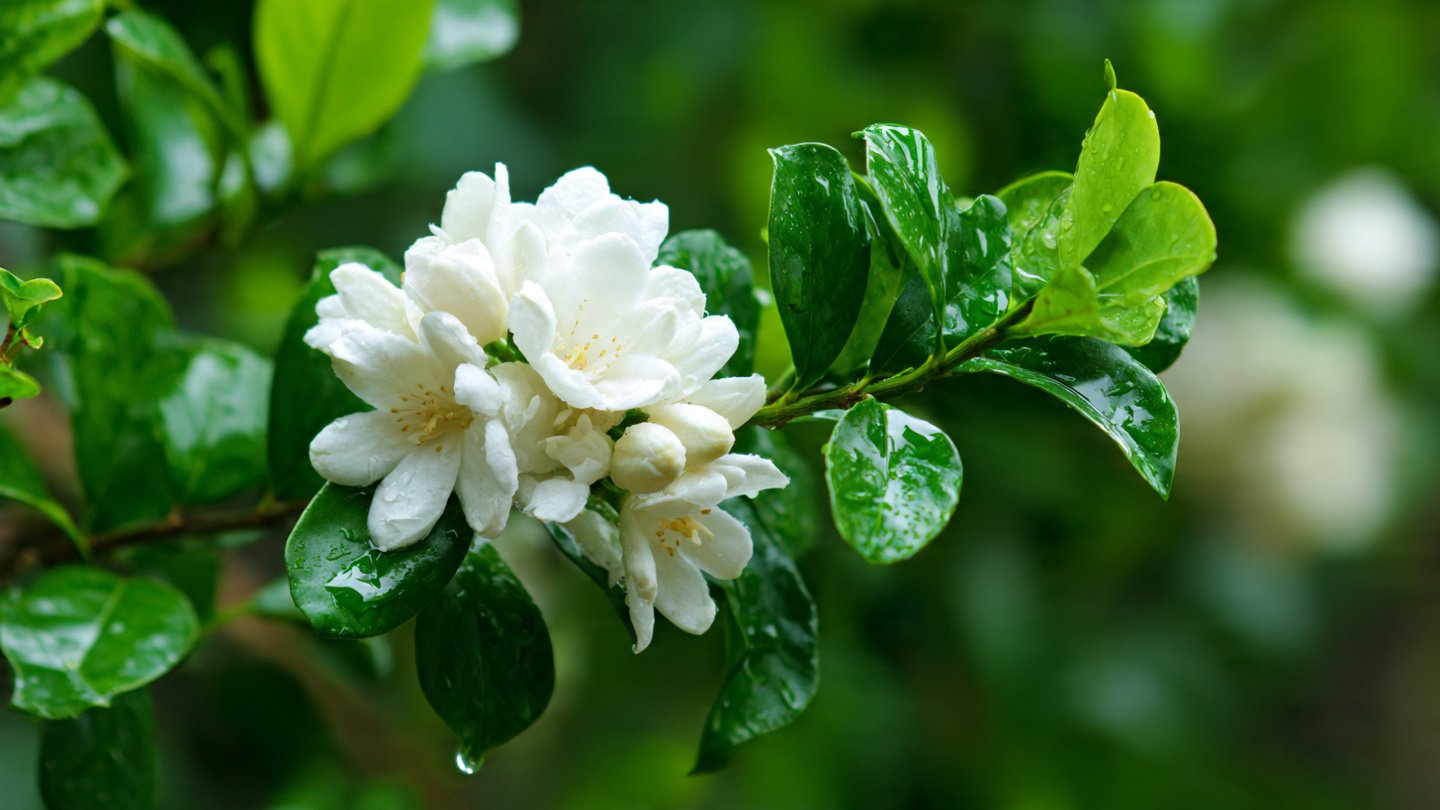
Murraya kamini, commonly known as Orange Jasmine or Kamini, is a highly prized ornamental plant for gardens. Renowned for its glossy green leaves, compact growth, and intoxicatingly fragrant white flowers, it makes an ideal choice for hedges, borders, and decorative landscaping. With proper care, this evergreen shrub can transform ordinary garden spaces into a lush, aromatic sanctuary.
Growing Murraya kamini is not only aesthetically rewarding but also practical. Its dense foliage provides privacy, defines garden boundaries, and attracts pollinators like bees and butterflies. This guide provides a detailed, step-by-step approach to cultivating Murraya kamini successfully as a fragrant hedge, ensuring strong growth, vibrant blooms, and lasting beauty.
Understanding Murraya Kamini
Murraya kamini is native to tropical and subtropical Asia and is highly adaptable to a variety of garden conditions. It grows well in full sun or partial shade and tolerates moderate drought once established. Its compact habit and dense foliage make it perfect for hedges, while the small, star-shaped flowers produce a delightful fragrance, especially in the evenings.
Being an evergreen, Murraya maintains greenery throughout the year, adding consistent visual appeal. Its flowers also produce small, bright berries that attract birds, enhancing the garden’s biodiversity.
Choosing the Right Plants
Starting with healthy plants is essential for a successful hedge. Murraya kamini can be grown from seeds, cuttings, or nursery-bought saplings. While seeds take longer to establish, cuttings and young saplings offer faster results and reliable flowering.
Select plants with strong, upright stems, vibrant leaves, and no signs of pests or diseases. If using cuttings, semi-hardwood cuttings of 6–8 inches in length usually root well when treated with a rooting hormone and planted in well-draining soil.
Preparing the Soil and Location
Murraya kamini thrives in fertile, well-draining soil with a neutral to slightly acidic pH (6.0–7.0). Avoid waterlogged soils, as prolonged moisture can lead to root rot.
Choose a planting location that receives at least 4–6 hours of sunlight daily for optimal flowering. While Murraya tolerates partial shade, hedges grown in full sun tend to produce denser foliage and more abundant blooms. Ensure adequate space for growth, as mature plants can reach heights of 6–8 feet if not pruned regularly.
Planting Your Murraya Hedge
For a continuous hedge, space plants 2–3 feet apart. This spacing allows individual shrubs to grow into each other, creating a dense, uniform appearance. Dig holes slightly larger than the root ball and gently place the plants, ensuring the crown is level with the soil surface.
Backfill with a mixture of garden soil and compost, pressing gently to remove air pockets. Water thoroughly after planting to help roots establish and reduce transplant shock. For larger hedges, planting in a straight line and marking spacing with stakes ensures even alignment.
Watering and Moisture Management
Murraya kamini prefers regular watering, especially during the first 6–8 weeks after planting when roots are establishing. Water deeply to encourage strong root growth but allow the soil to dry slightly between watering sessions.
Once established, Murraya can tolerate short dry spells, but consistent moisture encourages lush foliage and prolific flowering. Mulching around the base helps retain soil moisture, suppress weeds, and moderate soil temperature. Organic mulch such as coconut husk, shredded leaves, or compost works well.
Fertilizing for Vibrant Growth and Flowers
Fertilization plays a key role in the health and flowering of Murraya kamini. Use a balanced, slow-release fertilizer or organic compost to provide essential nutrients. Apply fertilizer every 2–3 months during the growing season.
For enhanced flowering, a bloom-promoting fertilizer with higher phosphorus content can be used. Avoid excessive nitrogen, which encourages leaf growth but may reduce flowering. Regular feeding ensures the hedge remains dense, healthy, and fragrant throughout the year.
Pruning and Shaping the Hedge
Pruning is essential to maintain the desired shape and density of a Murraya hedge. Light pruning encourages branching, resulting in a fuller hedge. Start by trimming new growth lightly to promote compactness.
For formal hedges, trim once or twice a year, following a uniform line. Avoid cutting too severely during peak flowering, as this may remove developing buds. Removing dead or diseased branches also keeps the hedge healthy and prevents pest infestations.
Managing Pests and Diseases
Murraya kamini is generally hardy but may occasionally face issues such as aphids, mealybugs, scale insects, or leaf spot disease. Regular monitoring is key to early detection.
- Spray affected areas with neem oil or mild insecticidal soap for pest control.
- Remove fallen leaves and debris to reduce fungal infection risk.
- Maintain good airflow by avoiding overcrowding and ensuring proper spacing.
Healthy plants with strong growth are less prone to pests and diseases, emphasizing the importance of proper care.
Encouraging Continuous Flowering
Murraya kamini blooms throughout the year in warm climates, but flowering can be optimized with proper sunlight, fertilization, and pruning. Ensuring that plants receive full sun and moderate water stress can stimulate more frequent blooms.
Deadheading, or removing spent flowers, can encourage the plant to produce more blooms and prevent energy wastage on seed production. Well-nourished, sunlit plants also produce stronger fragrance, enhancing the sensory appeal of your garden.
Companion Planting and Aesthetic Benefits
Murraya hedges pair beautifully with other ornamental plants such as hibiscus, bougainvillea, or low-growing perennials. Its evergreen foliage provides a year-round backdrop for seasonal blooms from companion plants.
Additionally, the fragrant flowers attract pollinators such as bees, butterflies, and birds, supporting overall garden biodiversity. The hedge also acts as a natural privacy screen, windbreak, or boundary marker.
Long-Term Care and Maintenance
A mature Murraya kamini hedge requires minimal maintenance. Continue regular watering, light fertilization, and periodic pruning to retain shape and density. Inspect plants regularly for signs of pests or disease and address issues promptly.
Occasional deep pruning can rejuvenate older plants, encouraging fresh growth and restoring flowering potential. Over time, a well-maintained Murraya hedge becomes a stunning, fragrant feature that enhances both aesthetics and ambiance.
Final Thoughts
Cultivating Murraya kamini as a fragrant hedge is a rewarding endeavor that combines beauty, aroma, and practicality. By selecting healthy plants, providing well-draining soil, ensuring proper sunlight, and following consistent care routines, gardeners can enjoy lush, flowering hedges year-round.
Whether used for privacy, as a garden border, or simply for its intoxicating fragrance, Murraya kamini is a versatile plant that elevates any outdoor space. With patience and attention to the simple steps outlined in this guide, even beginner gardeners can successfully grow and maintain a vibrant, aromatic hedge that delights the senses and enhances the overall charm of the garden.