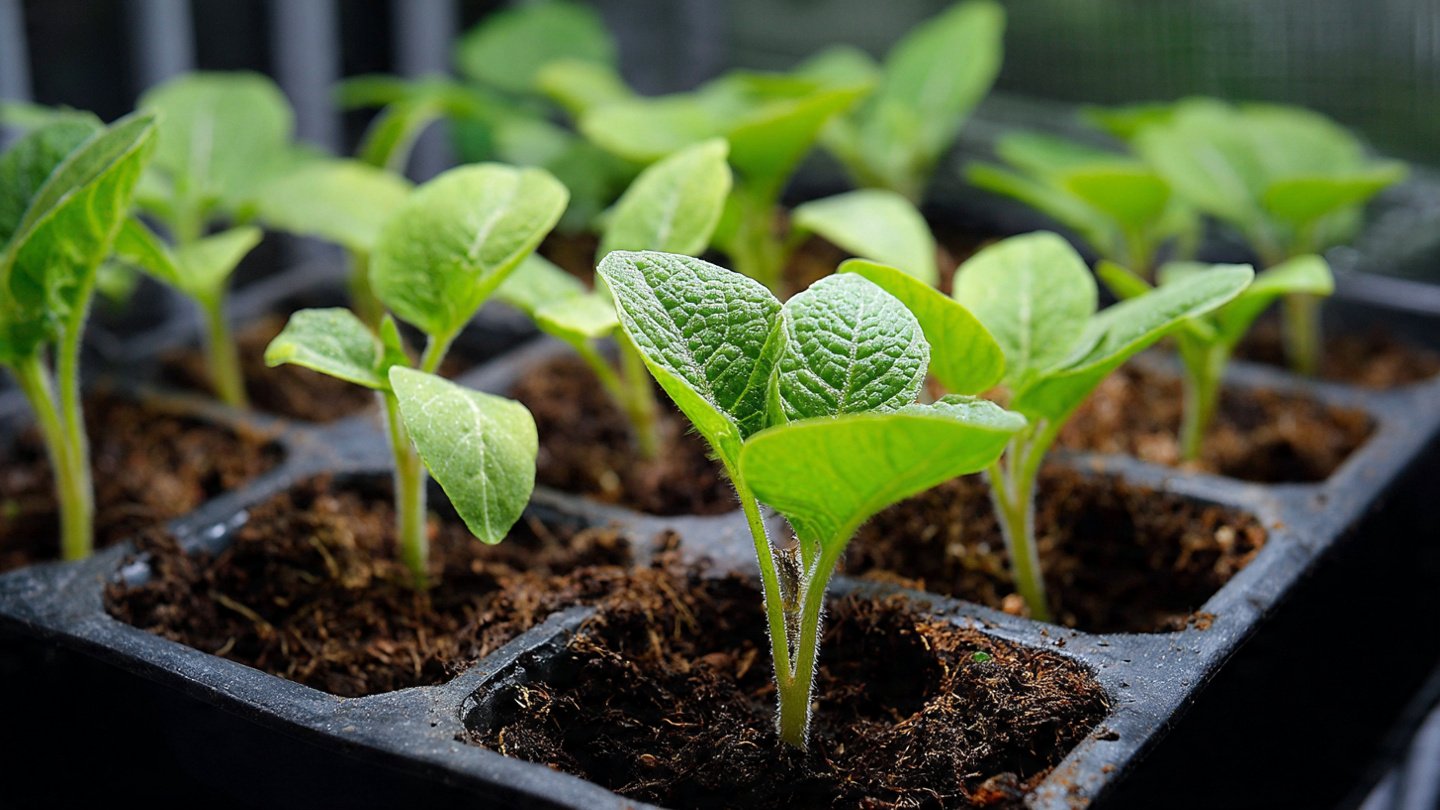
Sunflowers are one of the most cheerful and rewarding flowers to grow. Their bright yellow blooms and towering stems can transform any garden into a lively, sunny oasis. While many gardeners start sunflowers from seeds, using seedlings can give you a head start, reduce germination challenges, and lead to stronger, faster-growing plants. In this guide, we’ll cover easy, step-by-step instructions to successfully grow sunflowers from seedlings, even in small home gardens, while maximizing both beauty and yield.
Why Start Sunflowers from Seedlings?
Starting sunflowers from seedlings rather than seeds offers several advantages:
- Faster growth: Seedlings are already established, reducing time to flowering.
- Higher success rate: Avoids issues like seed rot or poor germination.
- Stronger plants: Transplanted seedlings often adapt quickly and develop robust roots.
- Flexibility: Easier to stagger planting for continuous blooms.
Using seedlings allows gardeners of all skill levels to enjoy thriving sunflowers with less worry about initial growth challenges.
Choosing the Right Sunflower Varieties
Sunflowers come in many sizes, shapes, and colors, so it’s important to select varieties suited to your garden space and aesthetic preferences.
- Dwarf varieties: ‘Sunspot’ and ‘Teddy Bear’ grow 40–60 cm tall, ideal for small gardens and containers.
- Medium varieties: ‘Little Becka’ or ‘Elf’ grow 60–120 cm and produce classic blooms suitable for borders.
- Tall varieties: ‘Giant Russian’ or ‘Mammoth’ can reach over 2 meters, perfect for open spaces and dramatic displays.
- Decorative varieties: Multi-colored or double-flowered sunflowers add unique charm to home gardens.
Choosing the right variety ensures your sunflowers thrive without overcrowding or overwhelming your space.
Preparing the Garden Bed or Containers
Healthy soil is essential for strong sunflower growth:
- Location: Select a spot with at least 6–8 hours of direct sunlight per day.
- Soil: Well-draining soil with a slightly acidic to neutral pH (6.0–7.0) works best.
- Nutrients: Mix compost or organic fertilizer into the soil before planting seedlings.
- Spacing: Provide 30–45 cm between dwarf varieties and up to 60–90 cm for taller ones to prevent overcrowding.
For balcony or container gardeners, use pots at least 20–30 cm deep with good drainage holes. Ensure each container has nutrient-rich potting mix for optimal growth.
Planting Sunflower Seedlings
Transplanting seedlings is simple if done carefully:
- Prepare the planting hole: Make a hole slightly larger than the root ball of the seedling.
- Remove the seedling carefully: Gently loosen the roots and soil from the nursery tray.
- Planting depth: Place the seedling in the hole so the top of the root ball is level with the surrounding soil.
- Backfill and water: Fill around the roots, gently pressing the soil, and water immediately to settle the soil.
Proper planting ensures the seedlings adapt quickly and start growing vigorously in their new environment.
Watering and Care
Sunflowers require consistent moisture, especially during early growth and flowering:
- Watering: Keep the soil evenly moist but avoid waterlogging. Water deeply 2–3 times per week or more during hot, dry weather.
- Mulching: Apply a layer of mulch around seedlings to retain moisture, reduce weeds, and regulate soil temperature.
- Fertilization: Use balanced organic fertilizers every 2–3 weeks to promote healthy foliage and vibrant flowers.
Healthy watering and care practices ensure strong stems and large blooms.
Supporting Sunflowers
Tall sunflowers or medium varieties may need support to prevent bending or breakage:
- Use bamboo stakes or small trellises tied to the stems with soft ties.
- Remove weak or yellowing leaves to encourage airflow and prevent disease.
- Prune side shoots lightly to focus energy on main flower growth.
Support and proper maintenance prevent damage and ensure the flowers remain upright and aesthetically pleasing.
Pollination and Flowering
Sunflowers are self-pollinating but benefit from pollinators like bees, butterflies, or even gentle hand pollination:
- Gently shake flowers to transfer pollen between florets.
- Avoid harvesting all flowers at once to encourage continuous blooming.
- For maximum seed production, leave some flowers on the plant for pollinators.
Healthy pollination ensures vibrant blooms and, if desired, abundant seeds for snacking or replanting.
Pest and Disease Management
Sunflowers are generally hardy but can face occasional challenges:
- Aphids: Spray with neem oil or use water to wash them off.
- Powdery mildew: Avoid wetting leaves and ensure good air circulation.
- Birds: Cover seedlings or use netting to protect young plants from nibbling.
Regular inspection and preventive measures keep sunflowers healthy and productive.
Encouraging Continuous Blooms
To maintain blooms throughout the season:
- Succession planting: Plant seedlings in intervals to ensure continuous flowering.
- Regular harvesting: Cut mature flowers for bouquets; this encourages new blooms.
- Adequate nutrition: Feed plants regularly to sustain growth and flower production.
Succession planting and proper care allow home gardeners to enjoy a prolonged display of vibrant sunflowers.
Aesthetic Tips for Home Gardens
Sunflowers can enhance both small and large gardens aesthetically:
- Mix heights and colors: Combine dwarf, medium, and tall varieties for a layered look.
- Companion planting: Pair sunflowers with marigolds, nasturtiums, or herbs for color contrast and pest control.
- Container arrangements: Use multiple pots or tiered setups for balconies or patios.
- Decorative features: Sunflowers make excellent natural screens, backdrops, or focal points.
Thoughtful placement and variety selection ensure sunflowers brighten the garden while complementing other plants.
Harvesting Seeds
If growing sunflowers for seeds:
- Wait until the flower head turns brown and seeds are fully matured.
- Cut the head and allow it to dry in a well-ventilated area.
- Remove seeds for eating, planting, or storage.
Homegrown sunflower seeds are nutritious, flavorful, and perfect for snacks, baking, or saving for future planting.
Final Thoughts
Growing sunflowers from seedlings is an easy, rewarding way to add beauty and cheer to your home garden. By selecting the right varieties, preparing nutrient-rich soil, providing consistent watering and care, and supporting plants properly, even beginner gardeners can enjoy strong, vibrant sunflowers with minimal effort.
Whether you’re planting in the ground or in containers, sunflowers grown from seedlings provide a head start that leads to faster growth, healthier plants, and a more abundant harvest. With careful attention to sunlight, soil, and care, your garden can become a sunny haven filled with radiant, joyful blooms that brighten every corner of your home.