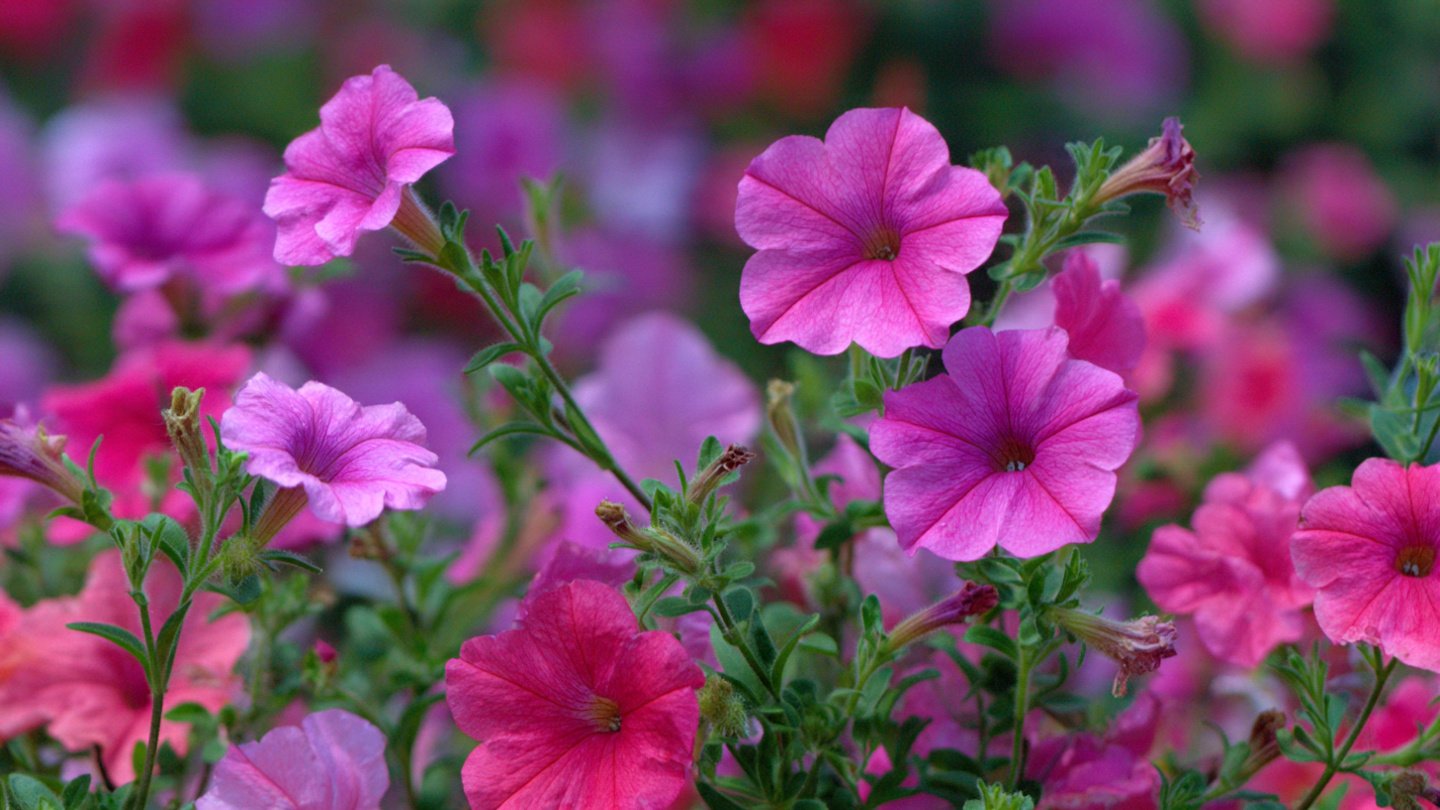
Petunias are among the most popular flowering plants for home gardens due to their vibrant colors, long blooming period, and versatility. Whether used in beds, borders, containers, or hanging baskets, petunias can transform any garden into a lively and colorful space. One of the biggest challenges gardeners face is achieving lush, bushy growth rather than sparse, leggy plants. With the right techniques, soil, watering, and pruning, you can grow petunias that are full, healthy, and covered with blooms throughout the season. This article provides easy, practical methods for cultivating dense, bushy petunias in your garden.
Understanding Petunias
Petunias are tender, perennial plants often grown as annuals in most regions. They are known for their trumpet-shaped flowers and come in a variety of colors, including purple, pink, red, white, yellow, and multi-colored varieties. Their versatility allows gardeners to create stunning displays in beds, pots, and hanging baskets.
Petunias prefer sunny locations and well-draining soil, and they respond well to careful pruning and feeding. Understanding these basic requirements is the first step to cultivating lush, bushy plants.
Choosing the Right Variety
Not all petunia varieties naturally grow bushy. To achieve full growth, it’s important to select the right types:
- Grandiflora: Large flowers, slightly sprawling growth
- Multiflora: Small to medium flowers, naturally bushy
- Wave Petunias: Vigorous spreaders, ideal for ground cover
- Trailing or Cascading Types: Perfect for hanging baskets and containers
For gardeners aiming for dense, bushy plants, multiflora and wave petunias are excellent choices because they branch naturally and produce more blooms.
Preparing the Soil
Healthy, bushy petunias start with well-prepared soil.
Soil Requirements:
- Loose, fertile soil rich in organic matter
- Well-draining soil to prevent root rot
- Slightly acidic to neutral pH (6.0–7.0)
Soil Preparation Steps:
- Loosen the soil to a depth of 8–12 inches
- Mix in compost, well-rotted manure, or garden soil amendments
- Avoid heavy clay soils or areas where water tends to stagnate
Good soil provides essential nutrients and allows roots to spread, supporting healthy, dense growth.
Planting Petunias
Planting petunias correctly ensures strong establishment and bushy development.
Tips for Planting:
- Space plants 6–12 inches apart, depending on the variety
- Plant at the same depth as in the nursery container
- Water lightly immediately after planting to settle the soil
Proper spacing allows airflow and reduces competition while giving each plant room to branch out.
Sunlight: The Key to Healthy Petunias
Petunias thrive in full sunlight. Insufficient light causes leggy growth and fewer flowers.
Sunlight Tips:
- Provide at least 5–6 hours of direct sunlight daily
- Morning sun is preferable in hot climates to prevent leaf scorch
- Avoid heavily shaded areas, which hinder flowering
Sunlight not only promotes vigorous growth but also enhances the intensity and number of blooms.
Watering Petunias Correctly
Watering is crucial for maintaining lush, bushy growth. Both under- and overwatering can harm petunias.
Watering Guidelines:
- Water deeply when the top inch of soil is dry
- Reduce watering in cooler weather
- Ensure good drainage to prevent root rot
Mulching around plants helps retain moisture, reduces soil temperature fluctuations, and prevents weed competition.
Fertilizing for Dense Growth
Petunias are heavy feeders and benefit from regular nutrition to maintain bushy growth and prolific blooms.
Fertilizer Tips:
- Use a balanced, water-soluble fertilizer every 2 weeks
- Low-nitrogen fertilizers encourage more flowers instead of excessive leafy growth
- Organic fertilizers like compost tea or liquid manure can supplement nutrient needs
Consistent feeding keeps plants vigorous, encouraging more branching and flower production.
Pruning and Pinching Techniques
Pruning is the single most effective way to achieve bushy petunias. Left unpruned, petunias often grow tall and leggy.
Methods to Promote Bushy Growth:
- Pinching Tips: Remove the top 1–2 inches of new growth when plants reach 4–6 inches tall
- Deadheading: Remove spent flowers regularly to encourage new blooms
- Light Pruning: Trim long or unruly stems every few weeks
These techniques stimulate lateral growth, resulting in compact, dense plants covered with flowers.
Controlling Pests and Diseases
Healthy plants are naturally bushier and bloom better. Petunias can occasionally be affected by pests and diseases.
Common Issues:
- Aphids, spider mites, and whiteflies
- Powdery mildew or fungal leaf spots
Prevention and Control:
- Inspect plants regularly
- Spray neem oil or insecticidal soap if pests appear
- Ensure proper spacing and sunlight to reduce fungal infections
Prompt treatment prevents plant stress and maintains overall bushiness.
Container and Hanging Basket Tips
Petunias also thrive in containers and hanging baskets, adding vertical color to patios and balconies.
Tips for Containers:
- Use pots with good drainage
- Use high-quality potting mix enriched with compost
- Fertilize regularly with liquid feeds
For hanging baskets, choose trailing petunia varieties and prune occasionally to maintain fullness and prevent legginess.
Seasonal Care
Spring and Summer:
- Regular watering and feeding
- Pinch tips for bushy growth
- Deadhead spent flowers
Monsoon or Rainy Season:
- Ensure pots and soil drain well
- Reduce watering during heavy rains
- Protect from fungal infections
Winter:
- Petunias may slow growth in cold climates
- Reduce watering but continue sunlight exposure
Adjusting care based on season ensures healthy, vibrant plants year-round.
Common Mistakes to Avoid
- Overcrowding plants
- Over-fertilizing with nitrogen-heavy fertilizers
- Ignoring deadheading and pruning
- Planting in shaded areas
Avoiding these mistakes guarantees fuller, healthier petunias with more blooms.
Long-Term Benefits of Bushy Petunias
With proper care, petunias provide continuous color and foliage for months. Bushy petunias:
- Cover bare soil, suppress weeds, and enhance aesthetics
- Attract pollinators like bees and butterflies
- Require minimal maintenance once established
They are an ideal choice for both beginner and experienced gardeners seeking a low-maintenance but vibrant display.
Final Thoughts
Growing lush, bushy petunias is achievable with the right selection, soil, sunlight, watering, and pruning practices. Pinching tips, deadheading spent flowers, and regular fertilization are key techniques to encourage dense growth and continuous blooms. Whether in garden beds, borders, containers, or hanging baskets, petunias can transform any space into a lively, colorful haven. By following these easy methods, gardeners can enjoy a season-long display of full, vibrant, and healthy petunias.