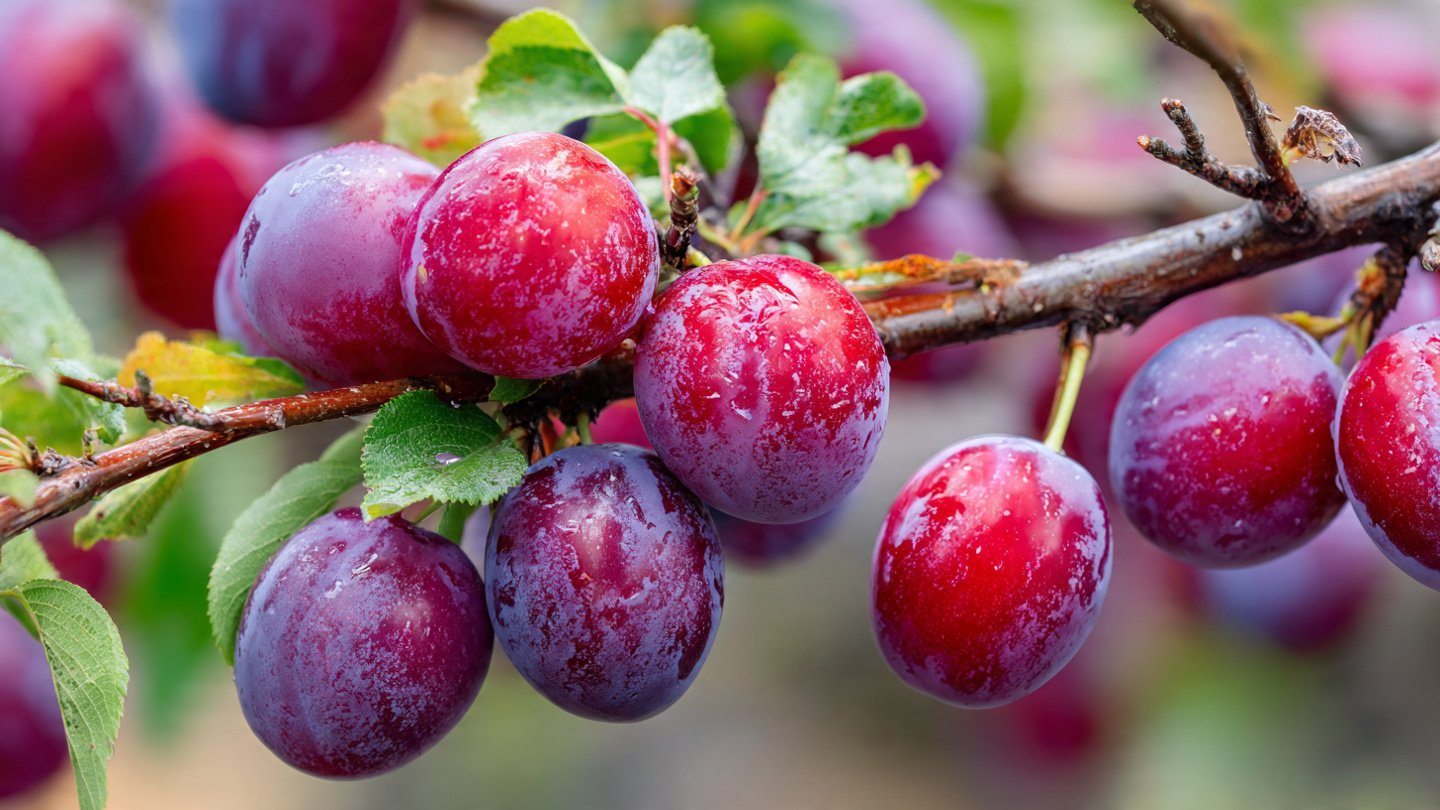
Plum trees are prized for their delicious fruit, ornamental beauty, and relatively manageable size. While traditionally grown in open ground, plum trees can thrive exceptionally well in raised beds when given the right care. Raised bed cultivation offers better soil control, improved drainage, and easier maintenance, making it an excellent option for gardeners seeking maximum yield in limited or challenging spaces. This comprehensive guide explores easy and effective methods for growing plum trees in raised beds to ensure healthy growth and abundant harvests.
Why Grow Plum Trees in Raised Beds?
Raised beds provide several advantages over traditional ground planting, especially for fruit trees like plums. One of the biggest benefits is superior drainage. Plum trees dislike waterlogged soil, and raised beds help prevent root rot by allowing excess water to drain away easily.
Another advantage is soil quality control. With raised beds, you can create the perfect soil mix tailored to plum trees, regardless of your native soil conditions. Raised beds also warm up faster in spring, promoting earlier root activity and stronger growth.
Choosing the Right Plum Variety
Selecting the right plum variety is crucial for success in raised beds. Semi-dwarf or dwarf plum trees are ideal, as they have compact root systems and are easier to manage in confined spaces. These varieties still produce abundant fruit while remaining manageable in size.
It’s also important to choose a variety suited to your local climate. Some plums require cross-pollination, while others are self-fertile. Understanding your variety’s pollination needs will help ensure consistent fruit set.
Designing the Ideal Raised Bed
When growing plum trees, raised beds should be generously sized. A bed that is at least 3–4 feet wide and 18–24 inches deep provides enough room for healthy root development. Larger beds allow better moisture retention and nutrient availability over time.
Use durable materials such as untreated wood, bricks, or stone for bed construction. Ensure the base of the bed is open to the ground below, allowing roots to grow deeper as the tree matures.
Preparing the Perfect Soil Mix
Soil preparation is one of the most important steps in raised bed plum cultivation. Plum trees prefer well-draining, fertile soil rich in organic matter. A good soil mix includes garden soil, compost, and coarse sand or perlite to improve aeration.
The soil should be slightly acidic to neutral. Adding organic compost improves nutrient availability and supports beneficial soil microbes, both of which contribute to stronger growth and higher yields.
Planting Plum Trees in Raised Beds
Planting should ideally be done during the dormant season, either in early spring or late fall. Dig a hole large enough to accommodate the root ball without crowding. Place the tree so that the graft union remains above soil level.
After planting, gently firm the soil around the roots and water thoroughly to eliminate air pockets. Mulch around the base of the tree to conserve moisture and regulate soil temperature, keeping the mulch a few inches away from the trunk.
Sunlight and Placement
Plum trees require full sun to produce high-quality fruit. Choose a location where the raised bed receives at least 6–8 hours of direct sunlight daily. Adequate sunlight encourages strong flowering, better pollination, and sweeter fruit.
Avoid placing raised beds in low-lying areas where cold air or excess moisture can accumulate, as this may affect flowering and fruit set.
Watering for Consistent Growth
Proper watering is essential for plum trees grown in raised beds. While raised beds drain well, they can also dry out faster than ground soil. Consistent watering is crucial, especially during the first few years of establishment and during fruit development.
Deep watering encourages roots to grow downward, strengthening the tree and improving drought tolerance. Avoid frequent shallow watering, which can lead to weak root systems.
Fertilizing for Maximum Yield
Plum trees benefit from regular feeding, particularly when grown in raised beds where nutrients may leach out more quickly. Apply a balanced fertilizer in early spring to support new growth and flowering.
Organic options such as compost, well-rotted manure, or slow-release fruit tree fertilizers work well. Avoid excessive nitrogen, as it can promote leafy growth at the expense of fruit production.
Pruning and Training Techniques
Pruning plays a vital role in maintaining tree health and maximizing yield. Annual pruning helps shape the tree, remove dead or diseased wood, and improve airflow and light penetration.
Open-center or modified central leader systems are commonly used for plum trees. Proper pruning encourages the development of strong branches capable of supporting heavy fruit loads.
Pollination and Fruit Set
Some plum varieties require cross-pollination from another compatible tree to produce fruit. If your chosen variety is not self-fertile, ensure another suitable plum variety is planted nearby.
Encouraging pollinators by planting flowering plants around your raised bed can significantly improve fruit set. Avoid using chemical pesticides during bloom to protect beneficial insects.
Managing Pests and Diseases
Raised beds make it easier to monitor and manage pests and diseases. Common plum tree issues include aphids, caterpillars, and fungal diseases. Regular inspection allows early detection and treatment.
Use organic pest control methods such as neem oil or insecticidal soap when necessary. Proper spacing, good airflow, and avoiding overhead watering reduce the risk of disease.
Seasonal Care and Maintenance
Seasonal care ensures long-term productivity. In winter, apply mulch to protect roots from extreme cold. In summer, ensure consistent watering and consider shade protection during extreme heat.
As the tree matures, refresh the soil with compost annually to replenish nutrients and maintain soil structure.
Harvesting Plums for Best Flavor
Plums are ready to harvest when they develop full color and slightly soften. Gently twist the fruit from the branch rather than pulling to avoid damage.
Harvesting at peak ripeness ensures the best flavor and encourages the tree to continue producing fruit in future seasons.
Final Thoughts
Growing plum trees in raised beds is an effective and rewarding method for achieving high yields, even in limited spaces or challenging soil conditions. By choosing the right variety, preparing nutrient-rich soil, providing consistent care, and practicing proper pruning, gardeners can enjoy healthy trees and abundant harvests year after year. With patience and attention to detail, raised bed plum cultivation can become a productive and satisfying part of any home garden.