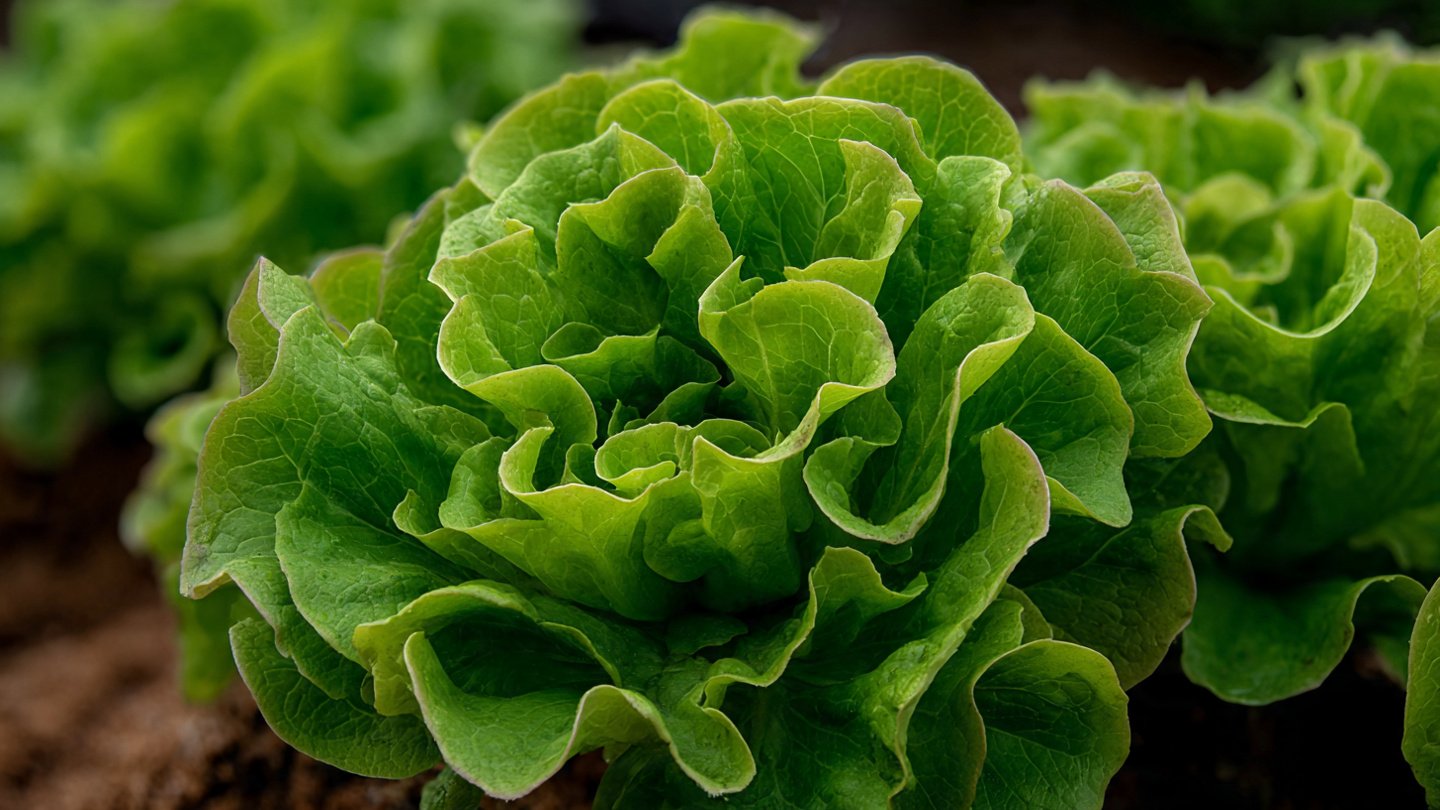
Lettuce is one of the easiest and fastest vegetables to grow, making it a perfect choice for beginners and experienced garden enthusiasts alike. Whether you want crisp leaves for fresh salads, sandwiches, or wraps, growing lettuce from seeds gives you a steady supply of clean, chemical-free greens right at home. With the right approach, you can enjoy your first harvest in just a few weeks.
This detailed guide explains an easy, step-by-step method to grow lettuce from seeds quickly, even if you have limited space or no prior gardening experience.
Why Lettuce Is Ideal for Beginners
Lettuce grows quickly, requires minimal care, and adapts well to containers, grow bags, raised beds, and even indoor setups. Unlike many vegetables, it doesn’t need deep soil or heavy feeding. Most lettuce varieties mature in 30–45 days, while baby leaves can be harvested even earlier.
Key reasons to grow lettuce at home include:
- Fast germination and quick harvest
- Shallow roots, perfect for small containers
- Minimal pest and disease problems
- High nutritional value
- Continuous harvesting from one sowing
Choosing the Right Lettuce Variety
Selecting the right variety plays a major role in how fast and successfully your lettuce grows. For beginners, loose-leaf types are the best option because they grow quickly and allow repeated harvesting.
Popular fast-growing lettuce types include:
- Loose-leaf lettuce: Ready in 25–30 days, ideal for cut-and-come-again harvesting
- Butterhead lettuce: Soft, tender leaves with mild flavor
- Romaine (cos) lettuce: Slightly longer growing time but very productive
- Red leaf lettuce: Attractive color and fast growth
Avoid iceberg lettuce as a beginner, as it takes longer and needs more precise conditions.
Best Time to Grow Lettuce
Lettuce prefers cool to mild temperatures. The ideal growing range is between 15°C and 25°C. In warm climates, it grows best during early spring, autumn, or winter. In hotter months, lettuce tends to bolt (produce flowers), which makes the leaves bitter.
If you want to grow lettuce year-round, you can do so indoors with good light and temperature control.
Containers and Growing Space
One of the biggest advantages of lettuce is that it doesn’t need much space.
- Containers: Use shallow pots, trays, or grow bags at least 10–15 cm deep
- Drainage: Ensure proper drainage holes to prevent waterlogging
- Location: Place containers where they receive 4–6 hours of sunlight
Lettuce can also be grown successfully on balconies, terraces, windowsills, or kitchen gardens.
Preparing the Perfect Soil Mix
Healthy soil ensures faster growth and better-tasting leaves. Lettuce thrives in loose, well-draining, and nutrient-rich soil.
An easy soil mix for fast lettuce growth:
- 40% garden soil or potting mix
- 30% compost or vermicompost
- 30% coco peat or sand for aeration
Mix thoroughly and remove any stones or debris. Before sowing, lightly moisten the soil.
How to Sow Lettuce Seeds Correctly
Lettuce seeds are very small, so gentle handling is important.
Step-by-Step Sowing Method
- Fill your container with prepared soil and level the surface.
- Sprinkle seeds thinly over the soil—avoid overcrowding.
- Cover seeds lightly with a thin layer of soil or coco peat.
- Mist gently with water using a spray bottle.
- Place the container in a bright, cool location.
Seeds usually germinate within 3–7 days.
Watering for Fast and Healthy Growth
Consistent moisture is essential for tender, sweet lettuce leaves.
- Water lightly but regularly
- Keep soil moist, not soggy
- Use a spray bottle for young seedlings
- Avoid letting the soil dry out completely
Overwatering can cause root rot, while underwatering leads to bitter leaves and slow growth.
Sunlight and Temperature Management
Lettuce grows best with soft sunlight. Too much heat or harsh sun can stress the plants.
- Provide morning sunlight and afternoon shade
- If growing indoors, place near a bright window or under grow lights
- In hot weather, use shade netting or move containers to cooler spots
Maintaining moderate temperatures helps prevent bolting and keeps leaves tender.
Thinning Seedlings for Faster Growth
Once seedlings reach 4–5 cm in height, thinning becomes necessary.
- Remove weaker seedlings
- Maintain spacing of 8–12 cm between plants
- Use removed seedlings as microgreens
Proper spacing improves airflow, reduces disease risk, and allows remaining plants to grow faster.
Feeding Lettuce the Easy Way
Lettuce doesn’t require heavy fertilization, but light feeding boosts growth.
- Mix compost into the soil before planting
- Apply diluted liquid compost or vermiwash every 10–15 days
- Avoid excess nitrogen, which makes leaves too soft
Organic feeding ensures safe and healthy harvests.
Fast Harvesting Techniques
One of the best features of lettuce is its ability to regrow after harvesting.
Baby Leaf Harvest
You can harvest baby lettuce leaves within 20–25 days by cutting leaves 3–5 cm above the soil.
Cut-and-Come-Again Method
Harvest outer leaves first, leaving the center intact. This allows multiple harvests from the same plant over several weeks.
Always harvest in the morning when leaves are crisp and full of moisture.
Common Problems and Simple Solutions
- Bitter leaves: Caused by heat stress or irregular watering
- Slow growth: Due to poor light or compact soil
- Bolting: Triggered by high temperatures—harvest early and provide shade
- Yellowing leaves: Often from overwatering or nutrient imbalance
Regular observation helps prevent most issues.
Tips to Grow Lettuce Even Faster
- Use loose-leaf varieties
- Sow seeds thinly and thin seedlings early
- Keep soil consistently moist
- Protect plants from heat
- Harvest regularly to encourage new growth
These simple habits can significantly speed up growth and improve yield.
Final Thoughts
Growing lettuce from seeds is one of the easiest and most rewarding gardening experiences for beginners and enthusiasts alike. With minimal space, simple care, and fast results, lettuce fits perfectly into any home garden. By following the right sowing techniques, maintaining consistent moisture, and harvesting smartly, you can enjoy fresh, crisp lettuce within weeks.
Whether you grow it on a balcony, terrace, or windowsill, homegrown lettuce not only tastes better but also encourages healthier eating and a deeper connection with your food. Start with a small container, follow these easy steps, and soon you’ll be harvesting fresh lettuce straight from your own garden.