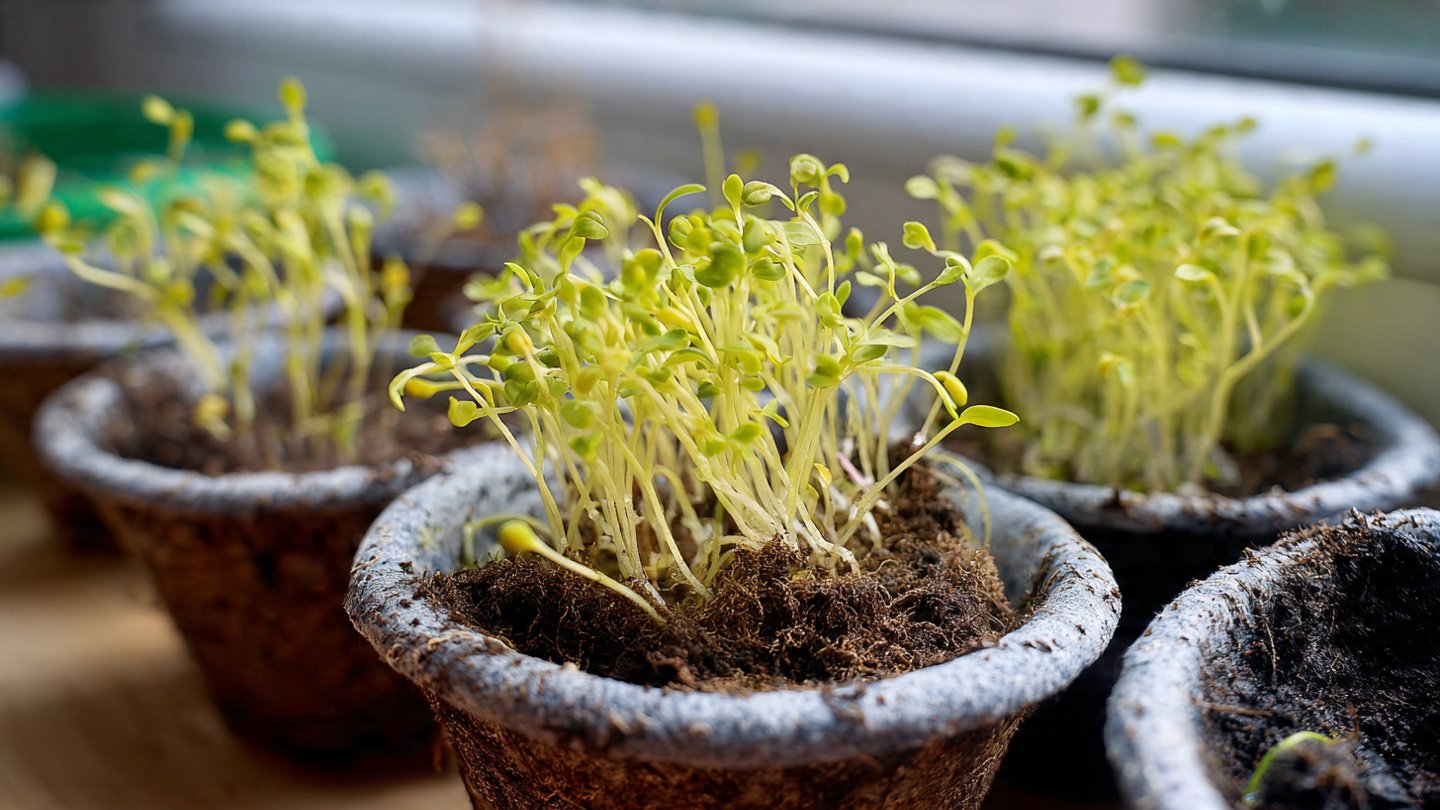
Coriander, widely known as dhaniya, is one of the most commonly used herbs in kitchens around the world. Its fresh leaves and seeds enhance the flavor of curries, soups, salads, chutneys, and marinades. Growing dhaniya at home ensures a constant supply of fresh, aromatic leaves, and it can be incredibly satisfying to harvest your own herbs. However, many gardeners face challenges with slow germination, often waiting weeks before seeing sprouts. With the right techniques and simple hacks, you can cultivate dhaniya rapidly and enjoy a continuous harvest in record time.
This guide provides actionable tips to achieve quick germination, healthy growth, and bountiful leafy yields.
Understanding Dhaniya and Its Growth Patterns
Dhaniya (Coriandrum sativum) is an annual herb in the Apiaceae family. Its life cycle is divided into:
- Germination Stage: Seeds begin to sprout, usually taking 7–15 days under normal conditions. Slow germination is a common issue due to the hard outer seed coat.
- Leaf Growth Stage: The plant focuses on producing leaves suitable for culinary use.
- Flowering Stage: If allowed, dhaniya will produce flowers and seeds (coriander seeds), which signals the end of leaf production.
For quick leaf harvests, it’s important to optimize conditions for germination and maintain growth in the vegetative (leaf) stage for as long as possible.
Choosing the Right Seeds
The foundation of rapid germination begins with selecting the right seeds:
- Fresh Seeds: Dhaniya seeds lose viability over time. Choose fresh seeds from reputable suppliers for higher germination rates. Seeds older than a year may take longer to sprout.
- High-Quality Seeds: Look for seeds that are plump, free from cracks or discoloration, and uniform in size. Healthy seeds germinate faster and produce stronger plants.
- Leafy Varieties: If your goal is to harvest leaves rather than seeds, choose varieties labeled for leaf production, as they tend to germinate faster and have a longer vegetative stage.
Selecting the right seeds is the first step toward faster, more reliable growth.
Pre-Soaking Seeds for Rapid Germination
One of the simplest hacks to speed up dhaniya germination is pre-soaking seeds:
- How to Soak: Place dhaniya seeds in a bowl of water for 12–24 hours before sowing. This softens the hard outer shell, allowing moisture to penetrate and trigger germination.
- Optional Tip: Some gardeners remove the thin husk covering the seeds after soaking. This further accelerates sprouting by eliminating barriers to water absorption.
- Drain Properly: Ensure seeds are well-drained after soaking to prevent rotting.
Pre-soaking is a time-tested method to reduce germination time from two weeks to just a few days in optimal conditions.
Scarification: A Simple Hack for Tough Seeds
Another technique to improve germination speed is scarification, which involves lightly damaging the seed coat:
- How to Scarify: Use sandpaper or a nail file to gently nick the outer shell of each seed. This helps water enter quickly, initiating sprouting.
- Caution: Avoid damaging the seed embryo inside, as this can prevent germination entirely. A light scratch is sufficient.
Scarification combined with pre-soaking is highly effective for dhaniya seeds, especially if they are older or slow to sprout.
Choosing the Right Soil
Healthy soil is essential for rapid germination and strong early growth:
- Well-Draining Soil: Use a mix of garden soil, compost, and sand to ensure quick drainage and prevent waterlogging, which can cause seed rot.
- Loosened Soil: Light, airy soil allows roots to penetrate easily and reduces the risk of fungal infections.
- Fertile Soil: Incorporate organic compost or vermicompost to provide essential nutrients. While seedlings don’t need heavy fertilization immediately, a nutrient-rich medium promotes rapid growth once germinated.
Sowing Techniques for Quick Sprouts
How you plant dhaniya seeds can impact how quickly they germinate:
- Shallow Sowing: Sow seeds about ¼–½ inch deep. Planting too deep can delay germination, as sprouts struggle to reach the surface.
- Spacing: Space seeds about 1 inch apart to prevent overcrowding, which can stunt growth and slow germination.
- Covering: Lightly cover seeds with soil and gently pat down to ensure contact with moisture while maintaining airflow.
Maintaining Ideal Watering Practices
Watering is critical during germination:
- Consistent Moisture: Keep soil moist but not soggy. Drying out slows germination, while overwatering can cause seeds to rot.
- Mist Instead of Pouring: Use a spray bottle to mist the soil surface. Gentle watering prevents seeds from being displaced and ensures even moisture.
- Drainage: Always plant in containers or beds with proper drainage to prevent water accumulation.
Proper watering ensures that pre-soaked and scarified seeds sprout quickly and grow into healthy seedlings.
Temperature and Light Considerations
Dhaniya germinates fastest under warm, stable conditions:
- Optimal Temperature: 20–25°C (68–77°F) encourages quick germination. Lower temperatures can significantly delay sprouting.
- Sunlight: Once seeds sprout, place them in a sunny location that receives 4–6 hours of sunlight daily. Seedlings need light to develop strong stems and vibrant leaves.
- Indoor Germination: If outdoor conditions are too cold, germinate seeds indoors on a sunny windowsill or under a grow light.
Maintaining consistent warmth accelerates germination and ensures robust growth during the early stages.
Using Growth Boosters
Some gardeners use natural growth boosters to enhance germination speed:
- Organic Fertilizers: A diluted solution of compost tea or seaweed extract can support seedlings once germinated. Avoid strong chemical fertilizers at this stage, as they can burn tender sprouts.
- Honey Solution: Soaking seeds briefly in a honey-water solution can act as a natural antifungal and promote healthy early growth.
- Warm Water: Sprouting seeds in slightly warm water (around 25°C) can activate metabolism and reduce germination time.
These hacks are optional but can give your dhaniya seeds a strong start.
Thinning and Early Care
Once seedlings emerge, proper care ensures rapid growth and prevents competition:
- Thinning: When seedlings develop 2–3 sets of leaves, thin them to leave about 2–3 inches of space between plants. Overcrowding reduces airflow, slows growth, and can promote disease.
- Mulching: A thin layer of mulch retains soil moisture and protects young plants from temperature fluctuations.
- Regular Monitoring: Check seedlings daily for signs of stress, pests, or diseases. Early intervention keeps growth steady.
Healthy seedlings establish faster and develop leaves suitable for harvest in minimal time.
Harvesting Dhaniya Quickly
The ultimate goal of rapid cultivation is a quick, leafy harvest:
- First Harvest: You can begin harvesting dhaniya leaves when plants are 6–8 inches tall, usually 3–4 weeks after sowing with optimized germination techniques.
- Cut-and-Come-Again Method: Trim outer leaves while leaving the central shoot intact. This encourages new growth, allowing multiple harvests from the same plant.
- Avoid Flowering: Regular harvesting delays flowering, ensuring plants focus energy on producing leaves rather than seeds.
With proper care, you can enjoy fresh dhaniya leaves continuously throughout the growing season.
Common Issues and How to Avoid Them
Even with rapid germination techniques, gardeners may face some challenges:
- Slow Sprouting: Usually caused by old seeds, cold soil, or inconsistent moisture. Pre-soaking, scarification, and maintaining warm soil temperatures can solve this.
- Leggy Seedlings: Insufficient sunlight leads to tall, weak plants. Move seedlings to a brighter location or use supplemental grow lights.
- Pests: Aphids and whiteflies can attack young plants. Use neem oil or insecticidal soap for control.
Preventing these issues ensures a strong, rapid-growing crop of dhaniya leaves.
Conclusion
Cultivating dhaniya rapidly for quick germination is achievable with a few simple hacks and proper care. Key strategies include:
- Selecting fresh, high-quality seeds.
- Pre-soaking or scarifying seeds to promote fast sprouting.
- Using well-draining, nutrient-rich soil.
- Planting at shallow depth with proper spacing.
- Maintaining consistent moisture without overwatering.
- Providing warm temperatures and adequate sunlight.
- Employing natural growth boosters if desired.
- Thinning seedlings and using cut-and-come-again harvesting to prolong leaf production.
By following these techniques, gardeners can reduce germination time to just a few days and enjoy a continuous supply of fresh, aromatic dhaniya leaves. Quick germination not only saves time but also ensures healthy, vibrant plants that elevate every dish, from curries and soups to salads and sandwiches.
Homegrown dhaniya provides unmatched flavor, aroma, and nutrition compared to store-bought herbs. With these easy hacks, you can enjoy rapid, reliable germination and turn your garden or balcony into a lush, herb-filled paradise in no time.