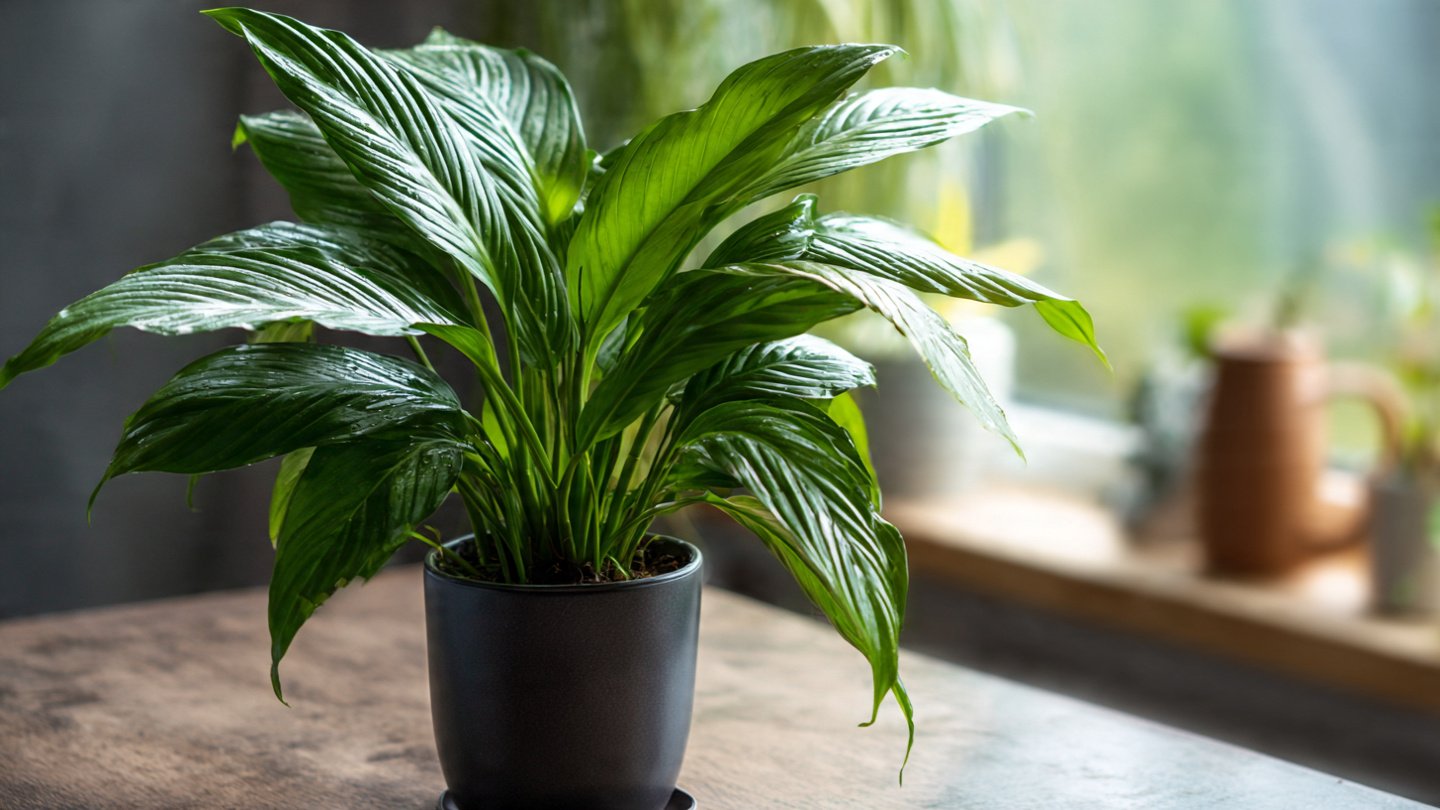
Peace lilies are loved for their elegant appearance, glossy green leaves, and calming presence indoors. While many people grow peace lilies for their white blooms, the real beauty of the plant lies in its broad, healthy, deep-green leaves. If your peace lily looks dull, small, or slow-growing, the good news is that you don’t need chemical fertilizers or complicated routines to improve it. With a few natural feeding hacks and the right light conditions, you can encourage your peace lily to develop impressively large, vibrant leaves.
This detailed guide explains easy, natural methods to grow peace lily big leaves using organic fertilizers and optimal light—perfect for beginners and indoor plant lovers.
Understanding How Peace Lily Leaf Growth Works
Peace lilies focus most of their energy on leaf development. Healthy leaves indicate strong roots, proper nutrition, and ideal growing conditions. When the plant lacks nutrients, light, or moisture balance, leaf size and shine are the first things to suffer.
Big leaves require:
- Consistent indirect light
- Rich but gentle nutrition
- Proper watering habits
- Healthy roots and soil
- Stable indoor conditions
Once these factors are balanced, leaf growth improves naturally.
Choosing the Right Light for Bigger Leaves
Light plays a major role in determining leaf size and color.
Ideal Light Conditions
Peace lilies thrive in bright, indirect light. This means placing the plant near a window where sunlight is filtered through curtains or reflected off walls. Soft morning light is ideal.
Too little light results in:
- Smaller leaves
- Slower growth
- Pale or dull foliage
Too much direct sunlight can:
- Burn leaf edges
- Cause brown patches
- Stress the plant
For best leaf growth, ensure the plant receives at least 6–8 hours of indirect light daily.
Rotating the Plant for Even Leaf Growth
One simple but often ignored hack is rotating the pot every 7–10 days. Peace lilies grow toward light, and rotating the plant ensures all sides receive equal exposure. This leads to:
- Balanced growth
- Larger, evenly shaped leaves
- Stronger stems
This small habit makes a noticeable difference over time.
Soil Quality: The Foundation for Big Leaves
Healthy leaves start at the roots. Poor soil limits nutrient absorption, even if you fertilize regularly.
Best Soil Mix
Use a loose, well-draining, moisture-retentive mix such as:
- Garden soil or potting soil
- Cocopeat or peat moss
- Well-decomposed compost or vermicompost
This combination holds moisture while allowing air to reach the roots, encouraging stronger growth and larger leaves.
Easy Natural Fertilizers for Big Peace Lily Leaves
Chemical fertilizers often promote quick growth but can damage roots over time. Natural fertilizers feed the plant slowly and safely, improving leaf size and overall health.
1. Vermicompost Tea
Soak a handful of vermicompost in water for 8–12 hours, strain, and use the water to feed your peace lily once every 15–20 days. This provides essential nutrients and beneficial microbes that support lush leaf growth.
2. Banana Peel Water
Banana peels are rich in potassium, which strengthens leaves and improves shine. Soak chopped banana peels in water overnight and water the plant lightly with this solution once a month.
3. Rice Water (Unpolished)
Water left after washing rice contains trace minerals that support healthy foliage. Let the water cool and use it once every 2–3 weeks. Avoid using salty or seasoned rice water.
4. Compost Top Dressing
Add a thin layer of compost on top of the soil every 30–40 days. As you water, nutrients slowly seep down to the roots, promoting steady leaf enlargement.
Correct Watering for Leaf Expansion
Peace lilies love moisture but hate soggy soil.
Watering Tips
- Water when the top inch of soil feels dry
- Use room-temperature water
- Ensure excess water drains freely
Underwatering leads to drooping and stunted leaves, while overwatering causes yellowing and root rot. Balanced watering helps the plant focus energy on producing larger leaves.
Maintaining Proper Humidity
Peace lilies are tropical plants and naturally grow in humid environments. Low indoor humidity can restrict leaf size.
Simple Ways to Increase Humidity
- Mist the leaves lightly 2–3 times a week
- Place a bowl of water near the plant
- Group plants together
- Use a pebble tray under the pot
Higher humidity encourages wider, softer, and glossier leaves.
Cleaning Leaves for Better Growth
Dust on leaves blocks light and reduces photosynthesis. Clean leaves grow larger and healthier.
Wipe leaves gently with a damp cloth every 2–3 weeks. This improves:
- Light absorption
- Leaf shine
- Overall plant health
Avoid using chemical leaf shine products, as they can clog leaf pores.
Pruning to Encourage Bigger Leaves
Removing old, yellow, or damaged leaves helps the plant redirect energy toward new growth.
Cut unwanted leaves at the base using clean scissors. Regular pruning:
- Improves airflow
- Reduces stress
- Encourages stronger new leaves
Fewer but healthier leaves often grow larger than many weak ones.
Pot Size and Root Health
Peace lilies prefer slightly snug pots, but extremely root-bound plants struggle to absorb nutrients.
When to Repot
Repot every 1.5–2 years or when:
- Roots circle the pot tightly
- Water drains too quickly
- Leaf growth slows despite good care
Choose a pot just one size larger to avoid excess moisture buildup.
Common Mistakes That Prevent Big Leaves
Avoid these common errors:
- Keeping the plant in deep shade
- Overusing chemical fertilizers
- Allowing soil to stay constantly wet
- Ignoring humidity needs
- Never rotating the plant
Correcting these habits often results in visible improvement within weeks.
How Long Does It Take to See Results?
With consistent natural feeding and proper light:
- Leaf shine improves in 2–3 weeks
- New leaf size increases in 4–6 weeks
- Overall plant fullness improves within 2 months
Patience is key—natural methods work gradually but sustainably.
Final Thoughts
Growing peace lily big leaves doesn’t require expensive products or expert skills. By focusing on natural fertilizers, balanced watering, proper light exposure, and basic maintenance, you can transform your plant into a lush indoor showpiece. Healthy roots, gentle nutrition, and stable conditions allow the peace lily to do what it does best—grow broad, elegant leaves that bring freshness and calm to your living space.