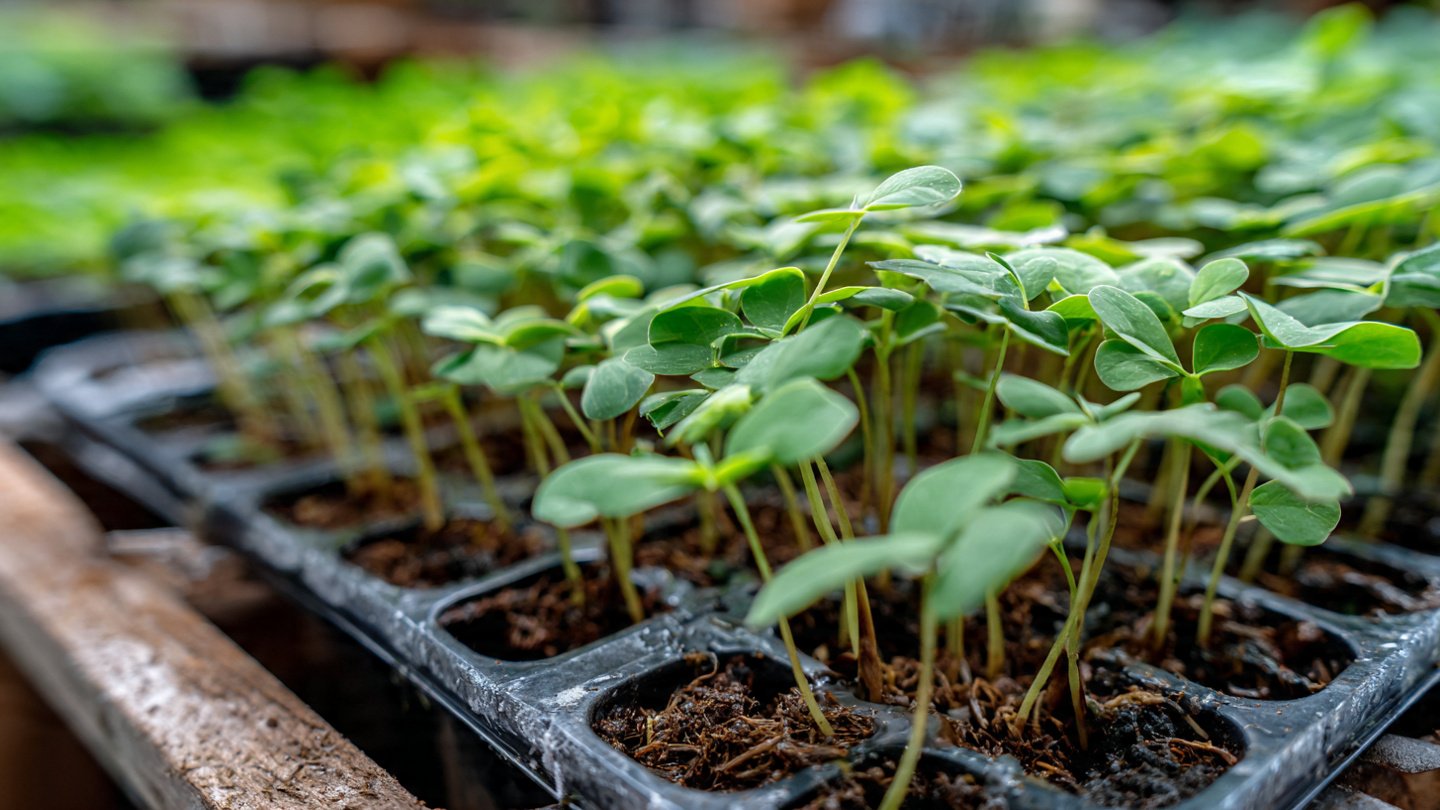
Fenugreek (Trigonella foenum-graecum) is a versatile, aromatic herb commonly used in cooking and traditional medicine. Its tender green leaves, also called methi, are a staple in many cuisines, while its seeds are known for their health benefits, including aiding digestion, regulating blood sugar, and boosting immunity. Growing fenugreek at home is simple, even in winter, making it a perfect choice for beginner gardeners looking to cultivate fresh greens and flavorful seeds during the colder months.
This guide will walk you through everything you need to know about growing fenugreek in winter, from selecting seeds to harvesting, ensuring a bountiful supply of fresh greens and seeds.
Why Grow Fenugreek in Winter?
Fenugreek thrives in cooler temperatures, making winter an ideal season for growth:
- Cool-Weather Crop: Fenugreek grows best at temperatures between 10–20°C (50–68°F), which aligns perfectly with winter conditions in many regions.
- Quick Growth: Unlike many vegetables that slow down in winter, fenugreek can mature in 3–4 weeks for leaves and 8–10 weeks for seeds, allowing continuous harvests.
- Indoor or Balcony Friendly: Fenugreek can be grown in small containers, trays, or pots, making it suitable for indoor gardening or limited spaces.
- Nutritional Value: Growing your own fenugreek ensures fresh, pesticide-free greens rich in vitamins, minerals, and antioxidants.
Winter fenugreek cultivation provides both fresh greens for cooking and seeds for long-term use, making it a valuable addition to your winter garden.
Step 1: Selecting Quality Seeds
The first step to successful fenugreek cultivation is choosing the right seeds:
- Fresh Seeds: Use recently harvested fenugreek seeds for high germination rates. Old or improperly stored seeds may fail to sprout.
- Certified Organic Seeds: If possible, choose organic seeds to avoid pesticides. Organic seeds often produce stronger, healthier plants.
- Seed Treatment: Some gardeners soak seeds in water for 6–8 hours before planting. Soaking softens the seed coat, accelerates germination, and improves success rates.
Selecting high-quality seeds ensures a healthy, vigorous crop with consistent growth.
Step 2: Choosing the Right Container
Fenugreek grows well in small spaces, making it perfect for container gardening:
- Containers: Use shallow trays, flower boxes, or small pots with drainage holes. Fenugreek has shallow roots, so containers 4–6 inches deep are sufficient.
- Soil: Choose well-draining, loamy soil rich in organic matter. Avoid heavy clay soils that retain water and may cause root rot.
- Indoor Options: Trays placed near windows or under grow lights are ideal for indoor winter cultivation.
Proper container selection allows for efficient use of space and ensures healthy root development.
Step 3: Preparing the Soil
Healthy soil is key to robust fenugreek growth:
- Soil Mix: Combine garden soil with compost or vermicompost in a 2:1 ratio for nutrient-rich growing media.
- pH Level: Fenugreek prefers slightly acidic to neutral soil with a pH of 6–7.
- Loosening Soil: Lightly loosen the soil before sowing seeds to improve aeration and drainage.
Well-prepared soil ensures rapid germination and strong seedlings, even during winter.
Step 4: Sowing Fenugreek Seeds
Fenugreek is simple to sow, even for beginners:
- Spacing: Scatter seeds evenly in the container, about 1–2 cm apart. For seed production, leave 2–3 inches between rows.
- Depth: Cover seeds lightly with ¼–½ inch of soil. Do not bury them too deep; shallow planting promotes faster germination.
- Watering: Water gently using a spray bottle to avoid washing away seeds. Maintain moist soil for the first 7–10 days.
Seeds usually germinate within 5–7 days under optimal conditions, producing tender green sprouts.
Step 5: Providing Proper Light and Temperature
Even in winter, fenugreek requires adequate light to grow:
- Sunlight: Place containers in a south-facing window to maximize natural sunlight. Fenugreek needs 4–6 hours of direct light daily.
- Grow Lights: In areas with limited winter sunlight, supplement with LED or fluorescent grow lights for 12–14 hours per day.
- Temperature: Maintain indoor temperatures between 15–20°C (59–68°F). Avoid exposure to frost, which can stunt growth or damage seedlings.
Proper light and temperature support vibrant, nutrient-rich leaves throughout winter.
Step 6: Watering Fenugreek
Consistent moisture is crucial for healthy fenugreek plants:
- Frequency: Keep soil evenly moist, especially during germination and early growth.
- Avoid Waterlogging: Fenugreek roots are shallow; standing water can lead to rot.
- Spray Method: Using a spray bottle helps prevent soil compaction and keeps young seedlings safe.
Well-watered plants grow faster, produce lush leaves, and resist stress from cold winter conditions.
Step 7: Fertilizing Fenugreek
Fenugreek is a nitrogen-fixing plant and generally low-maintenance, but additional nutrients can enhance growth:
- Organic Fertilizers: Use compost tea, vermicompost, or diluted liquid fertilizers every 2–3 weeks.
- Balanced Fertilizer: For seed production, a mild fertilizer with equal NPK helps improve yield.
- Avoid Over-Fertilization: Excess nitrogen encourages leafy growth at the expense of seeds.
Fertilization ensures vigorous growth and healthy leaves, perfect for winter harvests.
Step 8: Harvesting Fenugreek Leaves
Fenugreek leaves can be harvested multiple times during the winter season:
- Timing: Begin harvesting when seedlings are 3–4 inches tall, typically 3–4 weeks after sowing.
- Method: Snip outer leaves with scissors, leaving inner leaves intact to continue growing.
- Frequency: Regular harvesting encourages new leaf production and prevents plants from becoming leggy.
Fresh fenugreek leaves can be used immediately in cooking, or stored in the refrigerator for up to a week.
Step 9: Producing Seeds
If you want to grow fenugreek seeds in winter, additional care is required:
- Flowering: Allow some plants to grow without cutting all leaves. Fenugreek flowers after 6–8 weeks.
- Pollination: Indoors, hand-pollinate flowers using a soft brush to transfer pollen.
- Seed Maturation: Pods take 8–10 weeks to mature. Leave pods on the plant until fully dry.
- Harvesting Seeds: Cut dry pods, remove seeds, and store in a cool, dry place for cooking or future planting.
Seed production allows year-round cultivation, even in winter, ensuring continuous supply.
Step 10: Pest and Disease Management
Fenugreek is relatively pest-resistant but may occasionally face minor issues:
- Aphids: Spray a mild solution of water and neem oil or soap.
- Fungal Infections: Maintain good airflow and avoid wetting leaves to prevent powdery mildew.
- Root Rot: Avoid waterlogging and ensure proper drainage.
Monitoring plants weekly ensures healthy growth and continuous harvests.
Step 11: Using Fenugreek in Winter Recipes
Growing fenugreek in winter allows you to enjoy fresh, aromatic leaves in your daily cooking:
- Indian Cuisine: Add methi leaves to parathas, curries, and dals.
- Salads: Sprinkle fresh leaves in winter salads for flavor and nutrition.
- Garnishing: Use leaves to decorate soups, stews, or roasted vegetables.
- Seeds: Dry seeds can be roasted or used in pickles, spice mixes, and teas.
Homegrown fenugreek enhances both taste and nutritional value in winter meals.
Step 12: Tips for Continuous Winter Harvest
To maximize your fenugreek harvest throughout winter:
- Succession Planting: Sow seeds every 2–3 weeks for continuous leaf supply.
- Indoor Growing: Move trays near sunny windows or under grow lights during extreme cold.
- Proper Pruning: Regularly trim leaves while leaving some for seed development.
- Container Rotation: Keep containers clean and soil refreshed after each cycle for healthy growth.
Continuous planting ensures a steady supply of fresh leaves and seeds, even in the coldest months.
Step 13: Beginner-Friendly Advantages
Fenugreek is ideal for beginner gardeners because:
- Fast Germination: Seeds sprout in 5–7 days.
- Minimal Space: Can grow in trays, small pots, or balcony planters.
- Low Maintenance: Requires moderate watering, light fertilization, and occasional pruning.
- Dual Harvest: Provides both leaves and seeds in one growing cycle.
Even new gardeners can enjoy success and satisfaction by growing fenugreek in winter.
Conclusion
Growing fenugreek in winter is easy, rewarding, and highly productive. By selecting quality seeds, using appropriate containers, preparing nutrient-rich soil, providing sufficient light and water, and following proper care techniques, beginners can cultivate a continuous harvest of fresh leaves and seeds. Fenugreek not only enhances the flavor of winter meals but also adds greenery to indoor and balcony gardens, creating a healthy and vibrant environment.
With patience, regular care, and succession planting, you can enjoy fresh, aromatic fenugreek year-round, making it an ideal herb for winter gardening. Start with one container today, and in just a few weeks, you’ll be harvesting your own flavorful and nutritious fenugreek, transforming your winter garden into a productive, fragrant, and visually appealing space.