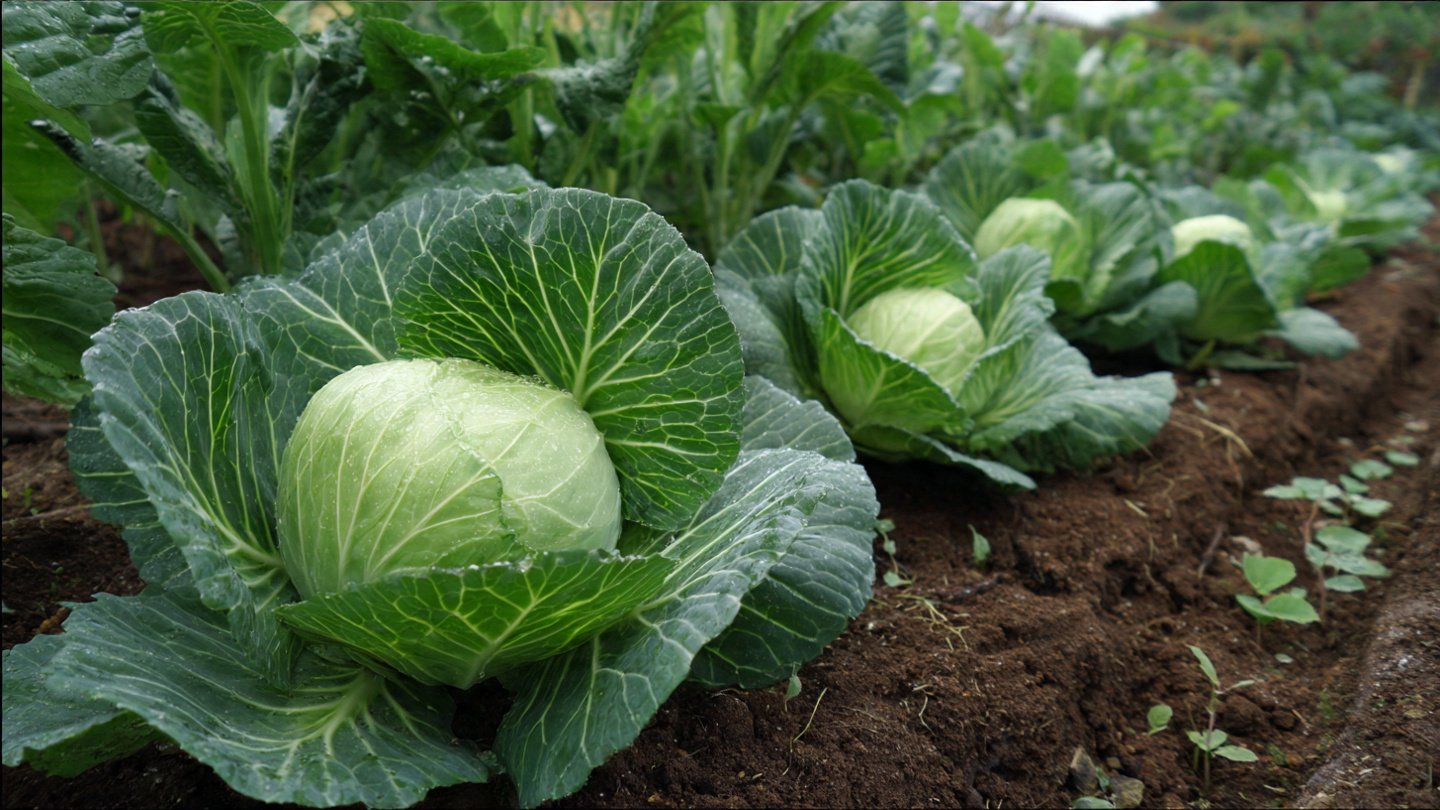
Growing fresh, crunchy cabbage at home sounds like a challenge, but it doesn’t have to be. You don’t need a big backyard, expensive garden tools, or fancy soil setups. In fact, with just a few plastic bottles, you can create a productive, space-saving cabbage garden right on your balcony, terrace, or windowsill.
Whether you’re a beginner gardener or someone looking for a fun DIY project, this method is simple, eco-friendly, and surprisingly effective. Here’s how to grow your dream cabbage garden with minimal effort and maximum results.
Why Grow Cabbage in Plastic Bottles?
Plastic bottles are not just trash—they can be turned into versatile, lightweight, and portable garden containers. Here’s why they work perfectly for cabbage:
- Affordable: Almost everyone has used bottles lying around.
- Space-saving: You can place them on terraces, balconies, or shelves.
- Portable: Easy to move in case of extreme weather or sunlight adjustment.
- Drainage control: You can make holes wherever needed for healthy roots.
- Recycling benefit: Reduce waste while growing your food.
Cabbage, with its shallow root system and upright growth, adapts well to these small, controlled environments. You can even grow multiple plants in a vertical arrangement using stacked bottles.
Step 1: Gather Materials
Before starting, collect the following:
- 2–5 large plastic bottles (2–3 liters each)
- Sharp knife or scissors
- Potting soil or compost mix
- Cabbage seeds or seedlings
- Watering can or spray bottle
- Optional: stakes or sticks for support
Tip: Make sure the bottles are clean and free from residue. Transparent bottles work, but wrapping them in opaque paper or paint can prevent algae growth.
Step 2: Prepare the Bottles
- Cut the bottles horizontally or vertically depending on your design. For a simple setup, cut off the top one-third to create an opening for soil and plants.
- Make drainage holes at the bottom to prevent waterlogging. 3–5 small holes per bottle are usually enough.
- If stacking bottles, cut a hole at the bottom of the top bottle so the water can drip down to the lower bottle.
Once prepared, your bottles are ready to become miniature garden beds.
Step 3: Fill Bottles With Soil
Cabbage prefers loamy, nutrient-rich soil with good drainage. You can use:
- Commercial potting mix
- Homemade compost mixed with garden soil
- A mix of compost + sand for extra drainage
Fill each bottle about three-quarters full, leaving space for seedlings and watering.
Step 4: Plant the Cabbage Seeds or Seedlings
- For seeds, plant 2–3 per bottle and thin to the strongest plant once they sprout.
- For seedlings, gently transplant them into the soil, making sure roots are covered but crown remains above soil.
Keep a spacing of 10–12 inches if using larger bottles to allow leaves to spread.
Step 5: Watering and Care
Watering is critical for cabbage growth:
- Keep the soil consistently moist but not soggy.
- Use a spray bottle for seedlings and a watering can for mature plants.
- Ensure drainage holes are working; standing water can cause root rot.
Tip: Mulching with small leaves or straw helps retain moisture and keeps soil temperature stable.
Step 6: Provide Sunlight and Support
Cabbage loves sunlight. Position your bottles where they receive at least 5–6 hours of direct sunlight daily.
If plants grow tall or start leaning, add small stakes for support. Plastic bottles are lightweight, so securing the plants prevents them from tipping over in wind.
Step 7: Fertilize for Bigger Heads
While cabbage can survive in basic soil, it thrives with proper nutrition:
- Organic compost works best, added once every 3–4 weeks.
- Optional: diluted liquid fertilizer every 2 weeks for faster growth.
- Avoid overfeeding; excess nitrogen leads to leafy growth but small heads.
Step 8: Watch for Pests
Even in bottle gardens, cabbage can attract pests like aphids, caterpillars, or slugs.
- Inspect leaves regularly.
- Use organic methods like neem oil or insecticidal soap if needed.
- Hand-picking caterpillars works well in small setups.
Healthy, well-fed plants tend to resist pests more effectively.
Step 9: Harvesting Your Cabbage
Cabbage is ready to harvest when the head feels firm and compact. Depending on variety, it takes 70–100 days from planting.
To harvest:
- Cut the cabbage at the base using a sharp knife.
- Leave outer leaves if you want secondary smaller heads or regrowth (some varieties can produce a second harvest).
- Enjoy fresh cabbage in salads, soups, or stir-fries!
Benefits of Plastic Bottle Cabbage Gardening
- Affordable and DIY-friendly – no expensive planters needed
- Recycling in action – reduce household plastic waste
- Space-efficient – perfect for urban gardening
- Year-round planting – move bottles indoors during harsh weather
- Educational – great project for kids to learn gardening basics
With a few bottles, even small spaces can become productive vegetable gardens.
Tips for Maximizing Your Bottle Cabbage Garden
- Vertical stacking: Use multiple bottles stacked or hung to save space.
- Rotate bottles occasionally: Ensures even sunlight exposure for all plants.
- Use companion plants: Herbs like dill or mint repel pests naturally.
- Record growth: Track watering, fertilizer, and growth patterns for best results next season.
Final Thoughts
Growing cabbage in plastic bottles is proof that gardening doesn’t need to be complicated or expensive. With minimal space, a few recycled bottles, and basic care, you can enjoy fresh, healthy cabbage straight from your own home.
Whether you’re in an apartment, balcony, or small backyard, this method is fun, eco-friendly, and productive. Start with a few bottles, follow these steps, and watch your dream cabbage garden flourish.
Once you experience the joy of harvesting your first crisp, homegrown cabbage, you’ll never look at gardening the same way again. It’s simple, sustainable, and surprisingly satisfying.